

Get our app

Download on the App Store

Pregnancy Nutrition: Month 2

Congratulations! You are in the second month of your pregnancy. While most women don`t know they`re pregnant by this time, those who are aware of their pregnancy pay close attention to their diet (just as they should). Nutrition is of primary importance at this stage, as it helps the correct and healthy development of the fetus. During this time, the neural tube of the fetus develops and then develops into the brain, spinal cord, and nerves. A diet rich in vitamins, minerals, proteins and other nutrients is imperative during this time and throughout pregnancy to ensure the development of the baby well. Read on to find out which foods and nutrients should be part of your second month pregnancy diet.

Suggested Foods
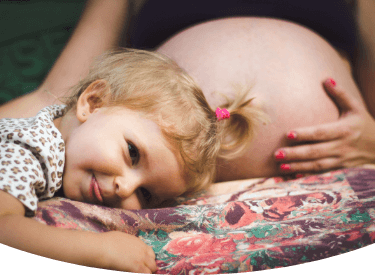
The foods you eat in the first trimester of your pregnancy will support the healthy development of your baby. Morning sickness and nausea may bother you and you may not want to eat, but you should try to feed healthily. Try and include foods that provide you with as much nutrition as possible. Below are some nutrients that are vital to your baby`s development.

1. Folic Acid: An integral part of the 7-week pregnancy diet, folic acid serves the purpose of vitamin B. For a woman who is trying to conceive and is pregnant, a daily supplement of 5 mg of folic acid is recommended for the first trimester. Folic acid helps protect the unborn baby from neural tube defects. Green leafy vegetables, eggs, fruits, dried fruits and nuts (almonds and walnuts), legumes and lentils are rich natural folic acid supplements for a pregnant woman.

2. Iron: Another essential nutrient that should be part of the 5th week pregnancy diet is iron – essential for healthy blood supply. At this stage, a pregnant woman needs a strong blood flow in her body as this gives her the strength to deal with morning sickness and fatigue that are often encountered in the first trimester of pregnancy. In the first week of your second month, fruits such as kiwi, strawberries, mulberries, bananas, dried fruits such as prunes, dried black grapes, oil seeds such as almonds, vegetables such as spinach, fenugreek and beets, legumes such as lentils, eggs, red meat and fish are rich in iron.

3. Calcium: Calcium is an essential mineral for a pregnant woman, especially in the second month of her pregnancy. Calcium intake of about 1000 mg is mandatory during pregnancy. At this stage, the body needs calcium while the fetus` bones harden. If the required amount of calcium is not given to the body, it will be removed from the existing reserves and thus the risk of osteoporosis (bone loss) will increase. To meet your calcium need, you can consume foods as milk and dairy products such as cheese, yoghurt, milk, ayran, kefir; vegetables such as turnip, cabbage, spinach, chard; legumes such as peas, mung, black-eyed peas, lentils; fruits such as figs and oranges since they are all excellent sources of calcium.

4. Protein: Protein is necessary from the beginning of pregnancy. Foods such as meat, chicken, egg, milk, yogurt, fish, almonds and lentils provide the necessary protein that your body needs. At this stage, the expectant mother needs a daily minimum of 75 grams of protein. You can eat the protein-rich foods mentioned above. However, be mindful of the fish you choose as a protein source, as certain types of fish (especially fish with high mercury) are not safe for a pregnant woman and should be avoided during pregnancy.

5. Zinc: Zinc is essential for acid metabolism and biological functions. Turkey meat, lamb, beef, fish, mushrooms, spinach, peas, beans, chickpeas, pumpkin seeds, peanuts, cashews are rich sources of zinc. Make sure you include these foods in your daily diet.

6. Fat: Fats are not always bad, but it is the type of fat you consume that will determine the healthy growth of your baby. There is no doubt that fried foods and foods containing saturated fat are harmful to your and your baby`s health. But healthy fat intake will help the eyes, brain, placenta and tissues develop. Including healthy proportions of good fats in your diet will help your baby`s overall growth. The best choices for fats to consume may be the following varieties: Omega-3, fats found in fish, walnuts and almonds; Omega-6 is sunflower and corn oil; Omega-9, olive oil and hazelnut oil are the best sources. Important! It is enough to use up to 3 tablespoons of oil in 1 kg of food.

7. Fiber: Fiber, an important nutrient that aids digestion and prevents constipation, is highly recommended to a pregnant woman. Vegetables such as Brussels sprouts, carrots, green leafy vegetables, broccoli, green beans, cucumbers, onions, cabbage, celery, tomatoes, eggplant, peppers and corn; A fiber-rich diet consisting of grains such as wheat bran, rye, brown rice, oats, and fruits such as pears, prunes, oranges, grapefruit peaches, apples, and bananas will help maintain your blood pressure and prevent constipation during pregnancy. A minimum daily intake of 28 grams is recommended during pregnancy. Nutritional recommendations for fiber consumption:

  1. You can consume baked potatoes instead of mashed potatoes. In this way, you can benefit from the pulp of the potato.
  1. You can use flavors such as banana, apple or peach in your desserts.
  1. In addition to drinking orange juice, it will be more beneficial to eat oranges.
  1. You can prepare vegetable soup with green beans as an alternative to your vegetable soups.
  1. Instead of chicken curry and rice, you can make lentil curry chicken and whole wheat rice.
  1. Add bran to all your soups. Bran does not change the flavor of soups much, but it is very useful in terms of fiber.
  1. If you find it difficult to cook legumes as a meal, you can add boiled lentils, chickpeas or beans to your salads.
  1. You can add flax seeds to your salads.
  1. You can consume breads such as whole meal bread instead of white bread.

Foods to Avoid

Foods to avoid in the second month of pregnancy are mentioned below:

  1. Spreadable Meats: Spreadable meats contain listeria, which is harmful at this stage of pregnancy. It affects the growth of the baby, so it should be completely avoided.
  1. Soft Cheese: Consumption of soft cheeses such as brie and camembert is not recommended as they may contain E. coli bacteria that can cause complications in pregnancy. This is why you should avoid eating soft cheese during pregnancy.
  1. Raw egg: Raw eggs can spread salmonella bacteria throughout the body, causing a detrimental effect on the mother`s body and inhibiting the baby`s normal development. If you want to eat eggs during pregnancy, make sure to eat them well cooked. Avoid eating half-boiled or half-cooked eggs.
  1. Processed Meat: Processed meat is stored on the shelves for a long time and risks carrying harmful bacteria to you and your baby. So avoid adding processed meat to your pregnancy diet. These include bacon, ham, sausage, soudjouk, salami, pickled meat, cured meat, canned meat and meat-based sauces.
  1. Raw Fish: Seafood’s as crab, shrimp etc. are high in mercury, which is known to cause miscarriages. These foods are not rich in protein and do not provide the body with the necessary nutrition anyway.
  1. Unpasteurized Milk: Do not drink unpasteurized milk. Unpasteurized milk contains microorganisms, pathogens and salmonella that are harmful to your body and your baby`s growth.
  1. Alcohol: Alcohol is strictly not allowed as it can lead to various complications. It can affect your health and most importantly the baby`s growth. So avoid drinking alcohol during your pregnancy.

Tips

Here are some diet tips to follow in the second month of your pregnancy:

  1. If you eat at the right time and in the right proportions, you will get the maximum benefit from the food you eat. Try to have a healthy breakfast consisting of fruits, vegetables, cereals and dairy products such as milk. Eating a slightly rich meal in the morning will give you more time to digest food.
  1. Eating salad for lunch will help you stay fit and energetic. You can also try adding boiled eggs to your lunch. Since it takes longer to digest food items such as meat and legumes, you can choose your lunch with a salad.
  1. You are likely to experience morning sickness during the first trimester of your pregnancy, so keep your evening meals light. Eating light foods keeps your stomach full and happy and prevents heartburn. If you want a nutritious but light meal, have boiled and cooked vegetables and salad for dinner.
  1. Rejection of food may occur due to nausea during pregnancy and adequate protein cannot be taken, however, you may not be able to consume meat, chicken or fish while there is nausea. At such times, getting support from nuts will alleviate your nausea. You can consume 10 hazelnuts or 6 almonds or 2 walnuts.
  1. Try to eat healthy snacks in small portions. Avoid fried foods and guide your appetite. Don`t overeat, because many insist you should eat for two. You don`t need to eat for two. So, eat according to your body`s needs and make sure it`s healthy enough for you and your baby!

We seem to hear you say what should be eaten for the mental development of the baby?

The development of intelligence in the baby begins in the womb. The first months are very important. For the healthy physiological and mental development of the baby, vitamins and minerals such as iron, folic acid, iodine, zinc, fatty acids such as vitamin B, omega 3 and omega 6 must be taken from necessary food sources. Examples of iron-containing foods are red meat, liver, raisins, egg yolks, molasses, and iodine-containing foods such as seafood and salt. Vitamin B12 is found in milk and dairy products, eggs, cheese, almonds, cashews, hazelnuts, legumes and meat. Foods containing folic acid include hazelnuts, peanuts, walnuts, almonds, broccoli, mint, spinach, lentils and eggs. Fish and walnuts can be given as examples of foods containing omega 3 and omega 6.

Sample Nutrition Program

Morning:

  1. 1 glass of milk, 1 egg
  1. 1 matchbox of cheese (30 gr.)
  1. 5 olives
  1. 1 desertspoon of honey-jam or molasses
  1. 2 thin slices of bread (50 gr.)
  1. Cold cuts salad

Morning – Noon:

  1. 1 portion of fruit
  1. Half a glass of milk

Lunch -- Dinner:

  1. Meat up to 1.5 meatballs, 45 gr without fat (chicken, turkey, fish, veal)
  1. 1 bowl of soup (lentils, tarhana, vegetable)
  1. 1 plate of vegetable dish with olive oil
  1. 2 tablespoons of pasta or rice
  1. Green salad, 1 portion of fruit
  1. 1 bowl of yogurt, 2 thin slices of bread

Noon – Evening:

  1. 1 portion of fruit, 1 glass of milk or yogurt

Before Sleeping:

  1. 1 glass of water Milk
  1. Cheese
  1. 1 thin slice of bread

Remember, your health depends on the foods you choose, so choose wisely. Be sure to limit your intake of sugary and fried foods and foods high in calories, as they provide no nutrition to your baby. Eat healthy and stay healthy during pregnancy and your baby will be fine!

Pregnancy Nutrition: Month 2

Congratulations! You are in the second month of your pregnancy. While most women don`t know they`re pregnant by this time, those who are aware of their pregnancy pay close attention to their diet (just as they should). Nutrition is of primary importance at this stage, as it helps the correct and healthy development of the fetus. During this time, the neural tube of the fetus develops and then develops into the brain, spinal cord, and nerves. A diet rich in vitamins, minerals, proteins and other nutrients is imperative during this time and throughout pregnancy to ensure the development of the baby well. Read on to find out which foods and nutrients should be part of your second month pregnancy diet.

Suggested Foods

The foods you eat in the first trimester of your pregnancy will support the healthy development of your baby. Morning sickness and nausea may bother you and you may not want to eat, but you should try to feed healthily. Try and include foods that provide you with as much nutrition as possible. Below are some nutrients that are vital to your baby`s development.

1. Folic Acid: An integral part of the 7-week pregnancy diet, folic acid serves the purpose of vitamin B. For a woman who is trying to conceive and is pregnant, a daily supplement of 5 mg of folic acid is recommended for the first trimester. Folic acid helps protect the unborn baby from neural tube defects. Green leafy vegetables, eggs, fruits, dried fruits and nuts (almonds and walnuts), legumes and lentils are rich natural folic acid supplements for a pregnant woman.

2. Iron: Another essential nutrient that should be part of the 5th week pregnancy diet is iron – essential for healthy blood supply. At this stage, a pregnant woman needs a strong blood flow in her body as this gives her the strength to deal with morning sickness and fatigue that are often encountered in the first trimester of pregnancy. In the first week of your second month, fruits such as kiwi, strawberries, mulberries, bananas, dried fruits such as prunes, dried black grapes, oil seeds such as almonds, vegetables such as spinach, fenugreek and beets, legumes such as lentils, eggs, red meat and fish are rich in iron.

3. Calcium: Calcium is an essential mineral for a pregnant woman, especially in the second month of her pregnancy. Calcium intake of about 1000 mg is mandatory during pregnancy. At this stage, the body needs calcium while the fetus` bones harden. If the required amount of calcium is not given to the body, it will be removed from the existing reserves and thus the risk of osteoporosis (bone loss) will increase. To meet your calcium need, you can consume foods as milk and dairy products such as cheese, yoghurt, milk, ayran, kefir; vegetables such as turnip, cabbage, spinach, chard; legumes such as peas, mung, black-eyed peas, lentils; fruits such as figs and oranges since they are all excellent sources of calcium.

4. Protein: Protein is necessary from the beginning of pregnancy. Foods such as meat, chicken, egg, milk, yogurt, fish, almonds and lentils provide the necessary protein that your body needs. At this stage, the expectant mother needs a daily minimum of 75 grams of protein. You can eat the protein-rich foods mentioned above. However, be mindful of the fish you choose as a protein source, as certain types of fish (especially fish with high mercury) are not safe for a pregnant woman and should be avoided during pregnancy.

5. Zinc: Zinc is essential for acid metabolism and biological functions. Turkey meat, lamb, beef, fish, mushrooms, spinach, peas, beans, chickpeas, pumpkin seeds, peanuts, cashews are rich sources of zinc. Make sure you include these foods in your daily diet.

6. Fat: Fats are not always bad, but it is the type of fat you consume that will determine the healthy growth of your baby. There is no doubt that fried foods and foods containing saturated fat are harmful to your and your baby`s health. But healthy fat intake will help the eyes, brain, placenta and tissues develop. Including healthy proportions of good fats in your diet will help your baby`s overall growth. The best choices for fats to consume may be the following varieties: Omega-3, fats found in fish, walnuts and almonds; Omega-6 is sunflower and corn oil; Omega-9, olive oil and hazelnut oil are the best sources. Important! It is enough to use up to 3 tablespoons of oil in 1 kg of food.

7. Fiber: Fiber, an important nutrient that aids digestion and prevents constipation, is highly recommended to a pregnant woman. Vegetables such as Brussels sprouts, carrots, green leafy vegetables, broccoli, green beans, cucumbers, onions, cabbage, celery, tomatoes, eggplant, peppers and corn; A fiber-rich diet consisting of grains such as wheat bran, rye, brown rice, oats, and fruits such as pears, prunes, oranges, grapefruit peaches, apples, and bananas will help maintain your blood pressure and prevent constipation during pregnancy. A minimum daily intake of 28 grams is recommended during pregnancy. Nutritional recommendations for fiber consumption:

  1. You can consume baked potatoes instead of mashed potatoes. In this way, you can benefit from the pulp of the potato.
  1. You can use flavors such as banana, apple or peach in your desserts.
  1. In addition to drinking orange juice, it will be more beneficial to eat oranges.
  1. You can prepare vegetable soup with green beans as an alternative to your vegetable soups.
  1. Instead of chicken curry and rice, you can make lentil curry chicken and whole wheat rice.
  1. Add bran to all your soups. Bran does not change the flavor of soups much, but it is very useful in terms of fiber.
  1. If you find it difficult to cook legumes as a meal, you can add boiled lentils, chickpeas or beans to your salads.
  1. You can add flax seeds to your salads.
  1. You can consume breads such as whole meal bread instead of white bread.

Foods to Avoid

Foods to avoid in the second month of pregnancy are mentioned below:

  1. Spreadable Meats: Spreadable meats contain listeria, which is harmful at this stage of pregnancy. It affects the growth of the baby, so it should be completely avoided.
  1. Soft Cheese: Consumption of soft cheeses such as brie and camembert is not recommended as they may contain E. coli bacteria that can cause complications in pregnancy. This is why you should avoid eating soft cheese during pregnancy.
  1. Raw egg: Raw eggs can spread salmonella bacteria throughout the body, causing a detrimental effect on the mother`s body and inhibiting the baby`s normal development. If you want to eat eggs during pregnancy, make sure to eat them well cooked. Avoid eating half-boiled or half-cooked eggs.
  1. Processed Meat: Processed meat is stored on the shelves for a long time and risks carrying harmful bacteria to you and your baby. So avoid adding processed meat to your pregnancy diet. These include bacon, ham, sausage, soudjouk, salami, pickled meat, cured meat, canned meat and meat-based sauces.
  1. Raw Fish: Seafood’s as crab, shrimp etc. are high in mercury, which is known to cause miscarriages. These foods are not rich in protein and do not provide the body with the necessary nutrition anyway.
  1. Unpasteurized Milk: Do not drink unpasteurized milk. Unpasteurized milk contains microorganisms, pathogens and salmonella that are harmful to your body and your baby`s growth.
  1. Alcohol: Alcohol is strictly not allowed as it can lead to various complications. It can affect your health and most importantly the baby`s growth. So avoid drinking alcohol during your pregnancy.

Tips

Here are some diet tips to follow in the second month of your pregnancy:

  1. If you eat at the right time and in the right proportions, you will get the maximum benefit from the food you eat. Try to have a healthy breakfast consisting of fruits, vegetables, cereals and dairy products such as milk. Eating a slightly rich meal in the morning will give you more time to digest food.
  1. Eating salad for lunch will help you stay fit and energetic. You can also try adding boiled eggs to your lunch. Since it takes longer to digest food items such as meat and legumes, you can choose your lunch with a salad.
  1. You are likely to experience morning sickness during the first trimester of your pregnancy, so keep your evening meals light. Eating light foods keeps your stomach full and happy and prevents heartburn. If you want a nutritious but light meal, have boiled and cooked vegetables and salad for dinner.
  1. Rejection of food may occur due to nausea during pregnancy and adequate protein cannot be taken, however, you may not be able to consume meat, chicken or fish while there is nausea. At such times, getting support from nuts will alleviate your nausea. You can consume 10 hazelnuts or 6 almonds or 2 walnuts.
  1. Try to eat healthy snacks in small portions. Avoid fried foods and guide your appetite. Don`t overeat, because many insist you should eat for two. You don`t need to eat for two. So, eat according to your body`s needs and make sure it`s healthy enough for you and your baby!

We seem to hear you say what should be eaten for the mental development of the baby?

The development of intelligence in the baby begins in the womb. The first months are very important. For the healthy physiological and mental development of the baby, vitamins and minerals such as iron, folic acid, iodine, zinc, fatty acids such as vitamin B, omega 3 and omega 6 must be taken from necessary food sources. Examples of iron-containing foods are red meat, liver, raisins, egg yolks, molasses, and iodine-containing foods such as seafood and salt. Vitamin B12 is found in milk and dairy products, eggs, cheese, almonds, cashews, hazelnuts, legumes and meat. Foods containing folic acid include hazelnuts, peanuts, walnuts, almonds, broccoli, mint, spinach, lentils and eggs. Fish and walnuts can be given as examples of foods containing omega 3 and omega 6.

Sample Nutrition Program

Morning:

  1. 1 glass of milk, 1 egg
  1. 1 matchbox of cheese (30 gr.)
  1. 5 olives
  1. 1 desertspoon of honey-jam or molasses
  1. 2 thin slices of bread (50 gr.)
  1. Cold cuts salad

Morning – Noon:

  1. 1 portion of fruit
  1. Half a glass of milk

Lunch -- Dinner:

  1. Meat up to 1.5 meatballs, 45 gr without fat (chicken, turkey, fish, veal)
  1. 1 bowl of soup (lentils, tarhana, vegetable)
  1. 1 plate of vegetable dish with olive oil
  1. 2 tablespoons of pasta or rice
  1. Green salad, 1 portion of fruit
  1. 1 bowl of yogurt, 2 thin slices of bread

Noon – Evening:

  1. 1 portion of fruit, 1 glass of milk or yogurt

Before Sleeping:

  1. 1 glass of water Milk
  1. Cheese
  1. 1 thin slice of bread

Remember, your health depends on the foods you choose, so choose wisely. Be sure to limit your intake of sugary and fried foods and foods high in calories, as they provide no nutrition to your baby. Eat healthy and stay healthy during pregnancy and your baby will be fine!