

Get our app

Download on the App Store

Pregnancy Nutrition: Month 3

The third month of pregnancy (weeks 9-12) can be a difficult time for the expectant mother, as morning sickness, fatigue and mood swings increase drastically. This is also when the most miscarriages are reported. Therefore, it is very important for the expectant mother to be stress-free. Nutritious foods are also vital to ensure the healthy growth and development of the baby. A mother`s nutritional diet during the third month of pregnancy plays a crucial role in determining the health of the fetus.

Suggested Foods
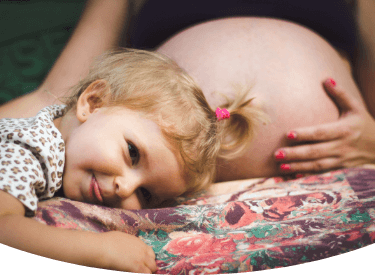
Are you wondering what to eat in the 3rd month of pregnancy to have a healthy baby? Here is a list of foods you should include in your diet program:

1. Vitamin B6 Rich Foods: In the third month, morning sickness may peak at week 9 and begin to decrease by the end of week 12. Vitamin B6 helps fight nausea and vomiting. Examples of foods rich in vitamin B6 include lean meats, poultry, eggs, citrus fruits, legumes, soybeans, nuts, seeds, and avocados.

2. Folate Rich Foods: Folate acid is essential for getting your brain and spinal cord right. Taking folic acid supplements should be available to your diet until you are enriched with the diet. Folate-rich food examples are peas, lentils, avocados, okra, asparagus, spinach and kale.

3. Omega-3 Rich foods: Omega-3 fatty acids are essential nutrients necessary for the healthy development of the eyes and brain in the baby. Foods rich in omega-3 fatty acids are soybeans, canola oil, walnuts, chia seeds, flaxseed, tofu, spinach, winter squash, red lentils, salmon, mackerel, sardines, and wild rice.

4. Fresh Fruits: Fruits contain a wide variety of nutrients and antioxidants that are essential for the healthy growth and development of the baby. Fresh fruits, juices are a better source of nutrients than canned or frozen fruits. Include plenty of melons, avocados, pomegranates, bananas, guava, oranges, sweet lemons, strawberries, and apples in your diet.

5. Vegetables: The diet list for a 3-month pregnant woman should include at least 3 glasses of vegetables per day. Choose different colored vegetables and mix them to get a wide variety of nutrients and flavors. The best examples include kale, spinach, broccoli, sweet potato, tomato, carrot, pumpkin, bell pepper, corn, eggplant, etc.

6. Carbohydrates: Carbohydrates are an essential source of energy for our body. Complex carbohydrates are found in foods such as whole grains and legumes; starchy vegetables like potatoes and sweet potatoes are good for the body and provide a regular amount of energy. Simple carbohydrates from natural sources, such as fruits and vegetables that contain fiber, are also good for your growing baby. Avoid simple carbohydrates like refined flour and processed foods like cookies and cakes. These are empty calories that are not suitable for the baby. If you want a more detailed list, the top carbohydrate foods are: Broccoli, carrots, leafy greens and high-fiber vegetables; all fruits, especially apples, bananas, strawberries, blackberries; legumes as beans, peas, lentils; seeds/nuts as almonds, walnuts, hazelnuts, macadamia nuts, peanuts, chia seeds, pumpkin seeds; whole grains as quinoa, oats, brown rice; root plants as potatoes, sweet potatoes.

7. Proteins: Proteins are the building blocks of DNA, tissue and muscles. They also play an important role in triggering enzymes in our body. Therefore, proteins are essential for the proper development of the fetus. Examples of protein-rich foods are legumes, egg, quinoa, seeds, lentils, chicken, nuts, nut butter, meat, and soybeans.

8. Milk: Dairy products are an excellent source of calcium, which is crucial for the development of strong and healthy bones. They include milk, yogurt, and hard cheeses. If you are allergic to dairy products, other calcium-rich food sources are kale, watercress, fresh almonds and sardines.

9. Vitamin D: Vitamin D plays an important role in the development of the immune system in the baby, healthy teeth and bone development, and healthy cell division. Examples of foods rich in vitamin D include fatty fish such as salmon, mackerel and tuna, egg yolks, cod liver oil, mushrooms, orange juice, vitamin D-fortified milk or cereals.

10. Zinc: Zinc is an essential mineral that is vital for the development of a healthy immune system and nervous system. Zinc-rich foods include beef, spinach, wheat germ, mushrooms, lamb, pumpkin and pumpkin seeds, chicken, nuts, beans, dairy products, and eggs.

Foods to Avoid

1. Seafoods: Ocean fish contain high levels of methyl-mercury, which causes impaired brain function in the fetus. So keep avoiding bottom fish.

2. Raw Eggs and Unpasteurized Dairy Products: Raw eggs may contain salmonella bacteria, which can cause food poisoning. Unpasteurized dairy products, such as soft cheeses, may contain listeria bacteria, which also causes severe food poisoning. So make sure your eggs are cooked and stick to hard cheeses.

3. Raw or Undercooked Meats: Raw and undercooked meats can contain bacteria that can cause food poisoning and serious harm to the growing baby.

4. Vitamin A: Excessive amounts of vitamin A have been linked to birth defects. Vitamin A found in natural foods such as fruits, vegetables, eggs and milk is not harmful. However, chicken, beef and veal liver contain high amounts of vitamin A. Avoid overconsumption of these nutrients in a single meal to avoid getting too much vitamin A at one time. Also, avoid taking vitamin A supplements.

5. Caffeine: Caffeine in coffee, tea, and carbonated beverages can enter the placenta and cause an increased heart rate in the baby. Therefore, it is better to limit or not using caffeine.

6. Street Food: Eating street food increases the chances of contracting bacterial infections such as gastroenteritis. Such infections harm the developing baby. Therefore, it is best to avoid it. If you`re craving street food, try making it at home using fresh ingredients.

7. Canned Foods: Canned foods contain high amounts of preservatives that can harm fetal development. They also contain a chemical called bisphenol-A (BPA), which has been linked to an increased risk of miscarriage. Therefore, avoid canned foods and eat homemade food cooked with fresh products.

Tips

  1. Drink plenty of water. You can also drink juices and soup, but water is best for hydration.
  1. Include at least 5 servings of fruit and vegetables a day in your diet.
  1. Eat 5 to 6 healthy, smaller meals a day instead of 3 large meals.
  1. Avoid alcohol, tobacco and drugs completely as they can cause serious birth defects and developmental problems in your baby.
  1. Be sure to take the nutritional supplements recommended by your doctor.
  1. Avoid changing your diet without consulting your doctor first.
  1. When your nausea becomes extreme, snack on cracker-style, fat-free and saltine crackers that don`t overwhelm you with the smell and digestion.
  1. Another food that will be good for your nausea is ginger, sometimes even just smelling the ginger can eliminate the nausea. Cut the fresh ginger into slices, pour it into a glass of hot water and brew for 10-12 minutes, then drink it as tea. You can also add 1-2 drops of lemon into this tea. This mixture will relax your stomach and relieve your nausea.
  1. Another factor that triggers nausea is your body`s dehydration. To prevent this situation, you should consume caffeine-free, freshly squeezed fruit juices.
  1. Another common problem during pregnancy is gas. The list of foods that cause gas during pregnancy includes: legumes; sulfur vegetables such as broccoli, cauliflower, cabbage, arugula, kale, radish, turnip and cress and other foods that trigger gas problem; beans, onions, Brussels sprouts, artichokes, asparagus, pears, apples, peaches, plums, chewing gum, milk, cream, ice cream and sodas. If you have gas problems, you can update your diet according to the list here.

Sample Nutrition Program

Breakfast:

  1. 1 matchbox white cheese
  1. 1 boiled eggs
  1. 5 olives
  1. Vegetable cold cuts (without oil) / seasonal greens
  1. 2 slices of whole grain bread
  1. Linden tea

Lunch:

  1. 2 small ladles of wedding soup
  1. 4 medium cabbage rolls
  1. 1 bowl of yogurt
  1. Seasonal greens (without oil)
  1. 1 slice of whole grain bread

Dinner:

  1. 1 small ladle of lentil soup
  1. 1 hand sized haddock in the oven
  1. 6 tablespoons of boiled broccoli, potatoes, carrots
  1. 1 glass of turnip juice
  1. Arugula salad (without oil)
  1. 2 slices of whole grain bread

Snacks:

  1. 10 almonds + quarter pear
  1. 10 medium strawberries + 1 glass of milk
  1. 10 plums + 1 bowl of yogurt

The third month of pregnancy can be difficult as nausea and vomiting can peak during this time. However, morning sickness begins to decrease by week 12 and usually goes away by the start of the second trimester. Keep eating right, you are doing great!

Pregnancy Nutrition: Month 3

The third month of pregnancy (weeks 9-12) can be a difficult time for the expectant mother, as morning sickness, fatigue and mood swings increase drastically. This is also when the most miscarriages are reported. Therefore, it is very important for the expectant mother to be stress-free. Nutritious foods are also vital to ensure the healthy growth and development of the baby. A mother`s nutritional diet during the third month of pregnancy plays a crucial role in determining the health of the fetus.

Suggested Foods

Are you wondering what to eat in the 3rd month of pregnancy to have a healthy baby? Here is a list of foods you should include in your diet program:

1. Vitamin B6 Rich Foods: In the third month, morning sickness may peak at week 9 and begin to decrease by the end of week 12. Vitamin B6 helps fight nausea and vomiting. Examples of foods rich in vitamin B6 include lean meats, poultry, eggs, citrus fruits, legumes, soybeans, nuts, seeds, and avocados.

2. Folate Rich Foods: Folate acid is essential for getting your brain and spinal cord right. Taking folic acid supplements should be available to your diet until you are enriched with the diet. Folate-rich food examples are peas, lentils, avocados, okra, asparagus, spinach and kale.

3. Omega-3 Rich foods: Omega-3 fatty acids are essential nutrients necessary for the healthy development of the eyes and brain in the baby. Foods rich in omega-3 fatty acids are soybeans, canola oil, walnuts, chia seeds, flaxseed, tofu, spinach, winter squash, red lentils, salmon, mackerel, sardines, and wild rice.

4. Fresh Fruits: Fruits contain a wide variety of nutrients and antioxidants that are essential for the healthy growth and development of the baby. Fresh fruits, juices are a better source of nutrients than canned or frozen fruits. Include plenty of melons, avocados, pomegranates, bananas, guava, oranges, sweet lemons, strawberries, and apples in your diet.

5. Vegetables: The diet list for a 3-month pregnant woman should include at least 3 glasses of vegetables per day. Choose different colored vegetables and mix them to get a wide variety of nutrients and flavors. The best examples include kale, spinach, broccoli, sweet potato, tomato, carrot, pumpkin, bell pepper, corn, eggplant, etc.

6. Carbohydrates: Carbohydrates are an essential source of energy for our body. Complex carbohydrates are found in foods such as whole grains and legumes; starchy vegetables like potatoes and sweet potatoes are good for the body and provide a regular amount of energy. Simple carbohydrates from natural sources, such as fruits and vegetables that contain fiber, are also good for your growing baby. Avoid simple carbohydrates like refined flour and processed foods like cookies and cakes. These are empty calories that are not suitable for the baby. If you want a more detailed list, the top carbohydrate foods are: Broccoli, carrots, leafy greens and high-fiber vegetables; all fruits, especially apples, bananas, strawberries, blackberries; legumes as beans, peas, lentils; seeds/nuts as almonds, walnuts, hazelnuts, macadamia nuts, peanuts, chia seeds, pumpkin seeds; whole grains as quinoa, oats, brown rice; root plants as potatoes, sweet potatoes.

7. Proteins: Proteins are the building blocks of DNA, tissue and muscles. They also play an important role in triggering enzymes in our body. Therefore, proteins are essential for the proper development of the fetus. Examples of protein-rich foods are legumes, egg, quinoa, seeds, lentils, chicken, nuts, nut butter, meat, and soybeans.

8. Milk: Dairy products are an excellent source of calcium, which is crucial for the development of strong and healthy bones. They include milk, yogurt, and hard cheeses. If you are allergic to dairy products, other calcium-rich food sources are kale, watercress, fresh almonds and sardines.

9. Vitamin D: Vitamin D plays an important role in the development of the immune system in the baby, healthy teeth and bone development, and healthy cell division. Examples of foods rich in vitamin D include fatty fish such as salmon, mackerel and tuna, egg yolks, cod liver oil, mushrooms, orange juice, vitamin D-fortified milk or cereals.

10. Zinc: Zinc is an essential mineral that is vital for the development of a healthy immune system and nervous system. Zinc-rich foods include beef, spinach, wheat germ, mushrooms, lamb, pumpkin and pumpkin seeds, chicken, nuts, beans, dairy products, and eggs.

Foods to Avoid

1. Seafoods: Ocean fish contain high levels of methyl-mercury, which causes impaired brain function in the fetus. So keep avoiding bottom fish.

2. Raw Eggs and Unpasteurized Dairy Products: Raw eggs may contain salmonella bacteria, which can cause food poisoning. Unpasteurized dairy products, such as soft cheeses, may contain listeria bacteria, which also causes severe food poisoning. So make sure your eggs are cooked and stick to hard cheeses.

3. Raw or Undercooked Meats: Raw and undercooked meats can contain bacteria that can cause food poisoning and serious harm to the growing baby.

4. Vitamin A: Excessive amounts of vitamin A have been linked to birth defects. Vitamin A found in natural foods such as fruits, vegetables, eggs and milk is not harmful. However, chicken, beef and veal liver contain high amounts of vitamin A. Avoid overconsumption of these nutrients in a single meal to avoid getting too much vitamin A at one time. Also, avoid taking vitamin A supplements.

5. Caffeine: Caffeine in coffee, tea, and carbonated beverages can enter the placenta and cause an increased heart rate in the baby. Therefore, it is better to limit or not using caffeine.

6. Street Food: Eating street food increases the chances of contracting bacterial infections such as gastroenteritis. Such infections harm the developing baby. Therefore, it is best to avoid it. If you`re craving street food, try making it at home using fresh ingredients.

7. Canned Foods: Canned foods contain high amounts of preservatives that can harm fetal development. They also contain a chemical called bisphenol-A (BPA), which has been linked to an increased risk of miscarriage. Therefore, avoid canned foods and eat homemade food cooked with fresh products.

Tips

  1. Drink plenty of water. You can also drink juices and soup, but water is best for hydration.
  1. Include at least 5 servings of fruit and vegetables a day in your diet.
  1. Eat 5 to 6 healthy, smaller meals a day instead of 3 large meals.
  1. Avoid alcohol, tobacco and drugs completely as they can cause serious birth defects and developmental problems in your baby.
  1. Be sure to take the nutritional supplements recommended by your doctor.
  1. Avoid changing your diet without consulting your doctor first.
  1. When your nausea becomes extreme, snack on cracker-style, fat-free and saltine crackers that don`t overwhelm you with the smell and digestion.
  1. Another food that will be good for your nausea is ginger, sometimes even just smelling the ginger can eliminate the nausea. Cut the fresh ginger into slices, pour it into a glass of hot water and brew for 10-12 minutes, then drink it as tea. You can also add 1-2 drops of lemon into this tea. This mixture will relax your stomach and relieve your nausea.
  1. Another factor that triggers nausea is your body`s dehydration. To prevent this situation, you should consume caffeine-free, freshly squeezed fruit juices.
  1. Another common problem during pregnancy is gas. The list of foods that cause gas during pregnancy includes: legumes; sulfur vegetables such as broccoli, cauliflower, cabbage, arugula, kale, radish, turnip and cress and other foods that trigger gas problem; beans, onions, Brussels sprouts, artichokes, asparagus, pears, apples, peaches, plums, chewing gum, milk, cream, ice cream and sodas. If you have gas problems, you can update your diet according to the list here.

Sample Nutrition Program

Breakfast:

  1. 1 matchbox white cheese
  1. 1 boiled eggs
  1. 5 olives
  1. Vegetable cold cuts (without oil) / seasonal greens
  1. 2 slices of whole grain bread
  1. Linden tea

Lunch:

  1. 2 small ladles of wedding soup
  1. 4 medium cabbage rolls
  1. 1 bowl of yogurt
  1. Seasonal greens (without oil)
  1. 1 slice of whole grain bread

Dinner:

  1. 1 small ladle of lentil soup
  1. 1 hand sized haddock in the oven
  1. 6 tablespoons of boiled broccoli, potatoes, carrots
  1. 1 glass of turnip juice
  1. Arugula salad (without oil)
  1. 2 slices of whole grain bread

Snacks:

  1. 10 almonds + quarter pear
  1. 10 medium strawberries + 1 glass of milk
  1. 10 plums + 1 bowl of yogurt

The third month of pregnancy can be difficult as nausea and vomiting can peak during this time. However, morning sickness begins to decrease by week 12 and usually goes away by the start of the second trimester. Keep eating right, you are doing great!