

Get our app

Download on the App Store

Pregnancy Nutrition: Month 5

Almost every woman looks forward to becoming a mother, and pregnancy is just the beginning of the big adventure. During this period, a woman needs to be very careful with her diet. In your fifth month, you will need to consume at least 350 extra calories per day. These calories should come from ample sources of protein and calcium. Do your best to avoid from fatty additives, sugar and carbohydrates.

Suggested Foods
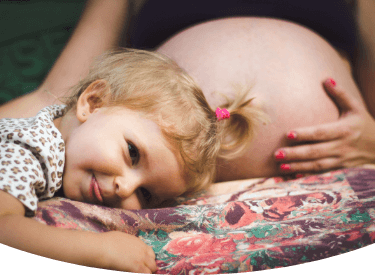
Some foods that you should add to your 5-month pregnancy diet chart are listed here:

1. Protein Rich Foods: Protein rich foods ensure that your baby`s physical development progresses smoothly since the amino acids in protein are the building blocks of the body. Legumes, grains, seeds and nuts, chickpeas and cheese are some foods that are good sources of protein for you.

2. Whole Grains: They are very rich in magnesium, iron, Vitamin E and vitamin B complex. Whole grains consist of the three parts of the grain, which are the endosperm, the bran, and the pulp. It is found in many of the foods we eat daily, including rye, wheat, rice, barley, oats, corn, bread and breakfast cereals.

3. Calcium Rich Foods: We all know that calcium is good for our bones and teeth, and it`s no different for your developing baby. Make sure to consume plenty of calcium rich foods to provide your baby with a strong skeletal system. Milk and dairy products, kiwi, mulberry, dried fig and dates are rich in calcium.

4. High Fiber Foods: Constipation is a known problem in pregnancy. Fiber rich foods are the best way to reduce the chance of constipation. Fruits and vegetables, barley, oats, wheat, and nuts are some fiber rich foods.

5. Salads: If you haven`t already, get into the habit of eating salad. You can get pretty creative with salads, and they`re a great way to get the essential nutrients, minerals and fiber your body will need. However, avoid using salad dressings and pickled vegetables as they are rich in sodium.

6. Fruits: Apples, grapes, bananas, avocados, pears, oranges, peaches and much more. There are so many fruits that you won`t get bored of eating them. They are also rich in minerals and vitamins that are essential during the second trimester of pregnancy.

7. Water: Ok! Water is not a food, but it is very important! It keeps away constipation and urinary tract infection, two common problems faced by pregnant women. Drinking plenty of fluids also helps detoxify your body. If you`re someone who doesn`t like to drink plain water, go for fresh juices like cane sugar and mango, which contain healthy carbohydrates and fiber.

Foods to Avoid

Although you may be craving it, here are certain things to avoid throughout your pregnancy:

1. Fizzy Drinks: Fizzy drinks contain too many unhealthy calories, sugar and caffeine. Replace them with fresh juices or add lemon to your water.

2. Certain Fruits and Vegetables: Fruits such as pineapple, pomegranate and papaya, which are known to cause uterine contractions, should not be consumed excessively. Vegetables such as cabbage, lettuce and eggplant should also be consumed in moderation. In addition, all fruits and vegetables should be consumed after washing them thoroughly.

3. Caffeine: Too much caffeine intake during pregnancy causes restlessness and insomnia in babies after they are born. Tea, coffee, and chocolate contain caffeine, so it`s best to avoid it altogether, but if you really can`t go decaf, reduce the amount to no more than two cups a day.

4. Smoked and Raw Seafood: If you love sushi and sashimi, it`s time to take a break. Smoked seafood mostly contains the listeria monocytogenes bacteria, which causes listeriosis and leads to stillbirth, miscarriage or illness in newborns.

5. Fish Containing Mercury: Mercury is found in the ocean, streams and lakes. In the human body, methyl, a neurotoxin, turns into mercury and can cause brain damage and developmental delays in infants. Fish such as shark, swordfish, mackerel and tilefish are fish to avoid.

6. Raw or Undercooked Eggs and Meat: Unless you`re vegan, egg and meat should be a big part of your diet. Make sure you never eat raw eggs or meat and that it is always well cooked. Raw eggs contain bacteria called salmonella, which causes food poisoning. Even if your food poisoning does not harm your baby, your immune system is weakened and this can negatively affect your baby`s development. Raw meat contains the parasite toxoplasma, which can cause fetal death during childbirth or miscarriage during pregnancy.

7. Herbal Teas and Supplements: There are certain herbal ingredients used in tea, condiments or supplements that can be very harmful to the mother and baby. Therefore, herbal teas and supplements should be consumed in moderation and after consulting a doctor. If you prefer to drink green tea, be careful not to consume too much. Limit your consumption to 1-2 cups per day. Better still, talk to your gynecologist and nutritionist before making it a daily part of your pregnancy diet.

Tips

Here are some tips for maintaining a balanced diet during this important time of your life:

  1. Search the nutritional content of the food you eat daily and try to calculate how much you should consume each day and which part of your diet, if any, needs to be changed.
  1. Create a meal plan for yourself to make sure your body is getting the right amount of nutrients it needs to grow your baby.
  1. Eat often but in small portions.
  1. If you need a snack, choose dried fruits, nuts and seeds.
  1. Before pregnancy, your height and weight will be important when it comes to how much of each food group you should eat to maintain a healthy and balanced diet. It is always best to seek the advice of your doctor or nutritionist for this.

Nutritional Recommendations to Prevent Constipation

  1. During this period, expectant mothers should add foods rich in fiber and pulp to their diet as much as possible. Whole grain products, fruit with peels and seasonal vegetables should be included.
  1. Probiotics are very important for our gut health. Our gut is our second brain. Yogurt and kefir are a very good source of probiotics. Probiotics strengthen our immune system and facilitate our digestion, so they have positive effects in the prevention of constipation.
  1. Plenty of water! Drinking plenty of water is the most effective way to deal with the problem of constipation during pregnancy.
  1. You can start walking by consulting your doctor. Walking speeds up bowel movements.
  1. The most ideal foods when dealing with constipation: apricots or dried apricots, kefir, plums or prunes, water and legumes such as kidney beans, beans and chickpeas.

Sample Nutrition Plan

Breakfast:

  1. 3 tablespoons of curd cheese
  1. 4 walnuts
  1. Strained yoghurt spicy sauce
  1. Vegetable cold cuts (without oil) / seasonal greens
  1. 3 slices of whole grain bread
  1. Light unsweetened tea

Lunch:

  1. 2 small ladles of vegetable soup
  1. 1 medium artichoke with olive oil
  1. 1 bowl of yogurt
  1. Seasonal greens (without oil)
  1. 2 slices of whole grain bread

Dinner:

  1. 1 small ladle of vegetable soup
  1. 1 piece of chicken kiev
  1. 1 glass of ayran
  1. Seasonal greens (without oil)
  1. 2 slices of whole grain bread

Snacks:

  1. 1 medium peach + 5 walnuts
  1. Half roasted corn + 1 glass of ayran
  1. 3 slices of watermelon + 1 glass of buttermilk

Try to keep all your unhealthy food cravings under control or replace them with healthy foods that will benefit both you and your baby. What you consume will directly affect not only you, but also your baby. Nothing is more important than your baby`s health and safety, so always be aware of what you are consuming.

Pregnancy Nutrition: Month 5

Almost every woman looks forward to becoming a mother, and pregnancy is just the beginning of the big adventure. During this period, a woman needs to be very careful with her diet. In your fifth month, you will need to consume at least 350 extra calories per day. These calories should come from ample sources of protein and calcium. Do your best to avoid from fatty additives, sugar and carbohydrates.

Suggested Foods

Some foods that you should add to your 5-month pregnancy diet chart are listed here:

1. Protein Rich Foods: Protein rich foods ensure that your baby`s physical development progresses smoothly since the amino acids in protein are the building blocks of the body. Legumes, grains, seeds and nuts, chickpeas and cheese are some foods that are good sources of protein for you.

2. Whole Grains: They are very rich in magnesium, iron, Vitamin E and vitamin B complex. Whole grains consist of the three parts of the grain, which are the endosperm, the bran, and the pulp. It is found in many of the foods we eat daily, including rye, wheat, rice, barley, oats, corn, bread and breakfast cereals.

3. Calcium Rich Foods: We all know that calcium is good for our bones and teeth, and it`s no different for your developing baby. Make sure to consume plenty of calcium rich foods to provide your baby with a strong skeletal system. Milk and dairy products, kiwi, mulberry, dried fig and dates are rich in calcium.

4. High Fiber Foods: Constipation is a known problem in pregnancy. Fiber rich foods are the best way to reduce the chance of constipation. Fruits and vegetables, barley, oats, wheat, and nuts are some fiber rich foods.

5. Salads: If you haven`t already, get into the habit of eating salad. You can get pretty creative with salads, and they`re a great way to get the essential nutrients, minerals and fiber your body will need. However, avoid using salad dressings and pickled vegetables as they are rich in sodium.

6. Fruits: Apples, grapes, bananas, avocados, pears, oranges, peaches and much more. There are so many fruits that you won`t get bored of eating them. They are also rich in minerals and vitamins that are essential during the second trimester of pregnancy.

7. Water: Ok! Water is not a food, but it is very important! It keeps away constipation and urinary tract infection, two common problems faced by pregnant women. Drinking plenty of fluids also helps detoxify your body. If you`re someone who doesn`t like to drink plain water, go for fresh juices like cane sugar and mango, which contain healthy carbohydrates and fiber.

Foods to Avoid

Although you may be craving it, here are certain things to avoid throughout your pregnancy:

1. Fizzy Drinks: Fizzy drinks contain too many unhealthy calories, sugar and caffeine. Replace them with fresh juices or add lemon to your water.

2. Certain Fruits and Vegetables: Fruits such as pineapple, pomegranate and papaya, which are known to cause uterine contractions, should not be consumed excessively. Vegetables such as cabbage, lettuce and eggplant should also be consumed in moderation. In addition, all fruits and vegetables should be consumed after washing them thoroughly.

3. Caffeine: Too much caffeine intake during pregnancy causes restlessness and insomnia in babies after they are born. Tea, coffee, and chocolate contain caffeine, so it`s best to avoid it altogether, but if you really can`t go decaf, reduce the amount to no more than two cups a day.

4. Smoked and Raw Seafood: If you love sushi and sashimi, it`s time to take a break. Smoked seafood mostly contains the listeria monocytogenes bacteria, which causes listeriosis and leads to stillbirth, miscarriage or illness in newborns.

5. Fish Containing Mercury: Mercury is found in the ocean, streams and lakes. In the human body, methyl, a neurotoxin, turns into mercury and can cause brain damage and developmental delays in infants. Fish such as shark, swordfish, mackerel and tilefish are fish to avoid.

6. Raw or Undercooked Eggs and Meat: Unless you`re vegan, egg and meat should be a big part of your diet. Make sure you never eat raw eggs or meat and that it is always well cooked. Raw eggs contain bacteria called salmonella, which causes food poisoning. Even if your food poisoning does not harm your baby, your immune system is weakened and this can negatively affect your baby`s development. Raw meat contains the parasite toxoplasma, which can cause fetal death during childbirth or miscarriage during pregnancy.

7. Herbal Teas and Supplements: There are certain herbal ingredients used in tea, condiments or supplements that can be very harmful to the mother and baby. Therefore, herbal teas and supplements should be consumed in moderation and after consulting a doctor. If you prefer to drink green tea, be careful not to consume too much. Limit your consumption to 1-2 cups per day. Better still, talk to your gynecologist and nutritionist before making it a daily part of your pregnancy diet.

Tips

Here are some tips for maintaining a balanced diet during this important time of your life:

  1. Search the nutritional content of the food you eat daily and try to calculate how much you should consume each day and which part of your diet, if any, needs to be changed.
  1. Create a meal plan for yourself to make sure your body is getting the right amount of nutrients it needs to grow your baby.
  1. Eat often but in small portions.
  1. If you need a snack, choose dried fruits, nuts and seeds.
  1. Before pregnancy, your height and weight will be important when it comes to how much of each food group you should eat to maintain a healthy and balanced diet. It is always best to seek the advice of your doctor or nutritionist for this.

Nutritional Recommendations to Prevent Constipation

  1. During this period, expectant mothers should add foods rich in fiber and pulp to their diet as much as possible. Whole grain products, fruit with peels and seasonal vegetables should be included.
  1. Probiotics are very important for our gut health. Our gut is our second brain. Yogurt and kefir are a very good source of probiotics. Probiotics strengthen our immune system and facilitate our digestion, so they have positive effects in the prevention of constipation.
  1. Plenty of water! Drinking plenty of water is the most effective way to deal with the problem of constipation during pregnancy.
  1. You can start walking by consulting your doctor. Walking speeds up bowel movements.
  1. The most ideal foods when dealing with constipation: apricots or dried apricots, kefir, plums or prunes, water and legumes such as kidney beans, beans and chickpeas.

Sample Nutrition Plan

Breakfast:

  1. 3 tablespoons of curd cheese
  1. 4 walnuts
  1. Strained yoghurt spicy sauce
  1. Vegetable cold cuts (without oil) / seasonal greens
  1. 3 slices of whole grain bread
  1. Light unsweetened tea

Lunch:

  1. 2 small ladles of vegetable soup
  1. 1 medium artichoke with olive oil
  1. 1 bowl of yogurt
  1. Seasonal greens (without oil)
  1. 2 slices of whole grain bread

Dinner:

  1. 1 small ladle of vegetable soup
  1. 1 piece of chicken kiev
  1. 1 glass of ayran
  1. Seasonal greens (without oil)
  1. 2 slices of whole grain bread

Snacks:

  1. 1 medium peach + 5 walnuts
  1. Half roasted corn + 1 glass of ayran
  1. 3 slices of watermelon + 1 glass of buttermilk

Try to keep all your unhealthy food cravings under control or replace them with healthy foods that will benefit both you and your baby. What you consume will directly affect not only you, but also your baby. Nothing is more important than your baby`s health and safety, so always be aware of what you are consuming.