


You are in the third trimester of your pregnancy, which is the final phase of your pregnancy journey, and you are slowly moving towards the most anticipated day of your life. Your body and your baby are going through tremendous changes. To keep your pregnancy going well, you need to maintain a healthy diet. At this stage you will need to structure your diet around your nutritional needs and also control your weight. Health experts recommend eating at least 450 more calories to ensure your baby gets the nutrition they need at this stage. So the big question is what should you eat to achieve this balance between nutrition and weight control? There are many options, read on to find out!
Suggested Foods
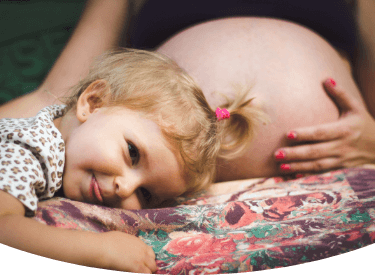
Your pregnancy diet plan may include all essential nutrients, but you should eat in moderation. Avoid overeating because you will feel severe hunger during this period.
1. Foods Rich in Iron and Protein: Your body will need an extra dose of iron during the third trimester of your pregnancy to prevent anemia or bleeding during giving birth. You will need about 27 mg of iron each day. Dark green vegetables such as spinach and turnip leaves, dried fruits such as raisins and apricots, zucchini and sesame seeds, soybeans, red meat and poultry are iron-rich foods that you can include in your diet. Protein is also important for the healthy growth of the baby. Amino acids found in protein-rich foods such as eggs, meat, lentils, chickpeas, lagumes, and dairy products will provide you the recommended 75-100g of protein per day.
2. Calcium Rich Foods: Calcium intake in the third trimester of pregnancy is very important because eating calcium-rich foods will contribute to the healthy development of your baby`s skeletal system and a solid bone structure. You should aim to get 1,000 milligrams of calcium each day through your diet. You can consume dairy products such as milk, cheese and yogurt, as they are rich in calcium.
3. Foods Rich in Magnesium: Magnesium will help relieve leg cramps, relax muscles, and also prevent premature birth. You need 350 mg of magnesium daily when you are pregnant. You can include barley, artichoke, almonds, oats, spinach, peanuts, molasses, kale, beans, bananas, lentils, peas, eggplant, dill and pumpkin seeds in your diet, as they are rich sources of magnesium.
4. Foods Rich in DHA: DHA, a fat acid, plays an active role in brain and muscle development. It is recommended to take 200 mg daily for the development of the baby`s brain. Fatty fish like salmon, anchovies, tuna, walnuts and flaxseeds and legumes have DHA – so include them in your pregnancy diet.
5. Foods Rich in Folic Acid: Folic acids reduce the risk of any neural tube defects and help develop a healthy neural system. Make sure you get at least 400 mg of folic acid per day throughout your pregnancy diet. You can eat dark leafy vegetables, oatmeal and whole grain bread to get the recommended dose of folic acid.
6. Foods Rich in Fiber: A fiber-rich diet can help clear gall and prevent constipation. Constipation is common in the third trimester, so include fresh fruits and vegetables, legumes and whole grains, and plenty of water in your diet.
7. Foods Rich in Vitamin C: Citrus fruits such as lemons, oranges and melons, green peppers and broccoli are rich sources of vitamin C.
Foods to Avoid
Remember that just as you know what to eat, it is equally important to know what not to eat at this stage. Heartburn, swelling of the feet and hands, fatigue, and constipation are some common problems you may encounter at this stage of pregnancy. Eating certain foods will certainly make these problems worse. For this reason, it is best to exclude them from your diet.
1. Spicy and Fatty Foods: Foods having fat and spices, especially fried foods, will increase the discomfort of heartburn. They are difficult to digest and can prevent you have a good sleep. Avoid eating fried foods, especially at night.
2. Foods Rich in Sodium: It`s important to control your sodium intake at this stage of pregnancy. High sodium intake causes bloating and edema. Avoid chips, pickles, sauces, canned food, and ketchup. Drink plenty of fluids and water to regulate your sodium level in your body.
3. Caffeine and Fizzy Drinks: Coffee and tea should be strictly avoided during pregnancy. But if you want to drink them, limit yourself to just one or two cups a day as they can cause constipation. Sodas are loaded with artificial sugar and sweeteners and provide absolutely zero nutrition, so should be avoided altogether.
4. Alcohol: Never drink alcohol at any stage of your pregnancy.
5. Junk Food: You may want fried chicken, burgers or chips, but staying away from these is the best for your baby. Don`t forget that you have all the responsibility, it is innocently waiting for your food for it! Avoid these junk foods and opt for homemade snacks like sandwiches.
Tips
- Keep your evening meals light as you will want to avoid the symptoms of heartburn and constipation. Opt for salads and fresh fruit for a good night sleep.
- Pay attention to make your meals less salty as the body starts to hold edema in the last trimester.
- Consuming 3 liters of water a day will prepare your body for milk production.
- Since our baby starts to store iron during this period, you should take advantage of iron rich meals consisting of red meat, egg and dark vegetables.
Nutritional Recommendations for Heart Burn During Pregnancy
- Eat little and often, plan your meals at certain times during the day and try to eat at the same times every day.
- Drink plenty of fluids. The point to be considered here is to drink the liquid slowly.
- Avoid deep-fried foods and fatty foods as much as possible.
- Expectant mothers, do not prefer foods with excessive sauce.
- Avoid extremely spicy foods.
- Do not consume carbonated and caffeinated drinks.
- Green leafy vegetables are good for heartburn that occurs during pregnancy.
- Prefer non-acidic fruits.
- Try to give up food intake at least two hours before going to bed.
- Very sugary foods trigger heartburn. Try to consume as little energy resources as possible.
Sample Nutrition List
When Waking Up:
- 1 glass of water
Breakfast (09:00):
- 1-2 cups of unsweetened linden
- 1 boiled egg (30 g)
- 1 slice of unsalted white cheese/curd (30 g)
- Seasonal greens/tomato/cucumber (must be well washed)
- 2 walnuts/10 raw hazelnuts/10 almonds
- 2 slices of whole wheat bread
Snack (11:00):
- 1 medium orange/apple/2 small tangerines
1 bowl (200 ml) of yogurt (probiotic yogurt can be preferred if there is constipation)
Lunch (13:00):
- 1 bowl of soup (if you have gas problems, stay away from gas-producing soups such as lentils)
- 7-8 tablespoons of vegetable dish (except potatoes, peas, carrots)
- 1 bowl of yogurt/tzatziki
- Salad from seasonal vegetables (make sure it doesn`t contain corn)
- 2 slices of whole wheat bread (60g)
Snack (16:30):
- 3 walnuts + 3 dried apricots/dates
Dinner (18:00):
- 5 grilled meatballs / 150 g steak / 10-12 grilled anchovies / 90gr surface fish / 9-10 tablespoons of dried legumes with minced meat
- 4 tablespoons of bulgur pilaf / 2 slices of whole wheat bread
- 1 portion of seasonal salad (choose without corn)
2 Hours Before Sleeping:
- If you have heartburn, 1 rusk
A healthy and nutritious diet throughout pregnancy will not only benefit you but your baby as well. It`s a good idea to get some exercise to balance your calories and control weight gain. Parent yoga, swimming and walking are great options for controlling weight gain and will keep you strong and fit for normal delivery.