

Get our app

Download on the App Store

1-Week-Old Baby: Development Week by Week

After months of a seemingly endless pregnancy, your birth was a success and your baby is finally with you. You now have many responsibilities as a parent, as the outside world is not as secure as your womb. All the experiences and feelings a baby has will be new to it as well as to you. In a way, it`s a new life for both of you - a life full of learning, love and growing together.

Baby Development

If you had a vaginal birth, your baby`s head may be slightly stretched. This is because its head is slightly squeezed as it passes through your birth canal. Its head will return to its natural shape in a few days.

Besides the shape, there are mainly two soft areas, one at the top and one at the back. These are called fontanelles. They have a protective covering, but these areas are where the skull begins to grow and fill over the next few years.

Sometimes, in the first week, there may be small red spots or some kind of rash on the skin. This is usually due to the skin`s hypersensitivity to the outside world and returns to normal within a short time. The palms and soles of the feet may also experience some peeling during this time.

After the umbilical cord is cut during childbirth, doctors tie a knot and all that`s left is a small root. It usually dries up and falls off within a week or two. During this time, it`s important to be gentle around the area and use sponges to bathe the baby if needed. While tying the diaper, that area should not be covered and the diaper should be folded.

Some parents get very worried when they see that their little one`s genitals are sometimes swollen. You don`t have to worry because this is the effect of the mother`s hormones being still present in the baby.

During this time, babies tend to have irregular breathing, with sometimes short or long breathing and sometimes seeming not to be breathing. Your baby may also make some sounds while breathing. This is just a period of getting used to and will usually return to normal within 4-6 weeks.

When the baby is born, it loses the excess fluid in its body. So when you get home, your baby may be slightly under birth weight. Don`t be alarmed by this, the weight gain will increase in 10 days to 2 weeks.

Milestones

One of the most important checks a baby goes through is the APGAR test. APGAR is an acronym for Appearance, Pulse, Grimace, Activity, and Respiration. These 5 parameters are checked immediately after the birth of the baby. By understanding whether the skin color is good, the heart rate is normal, reflexes and muscle tone are good, and breathing is OK under normal conditions, doctors can continue checking or take medical action to help the baby.

Most babies stay twisted as if they were inside the womb. Your baby will not be able to see much around, will only look for a few seconds and will not be able to select anything beyond the current viewing angle of 15 cm. When you hold your baby in your arms, it will feel your presence and will continue to look at you for a long time when it sees your face.

A cumulative sleep time of about 15-19 hours is considered normal because all sleep is disrupted by the need for diaper changes and feeding. Almost every few hours, your baby is in a cycle of eating, then sleeping and pooping. The first stool will be thick and green in color. This is due to the presence of a substance called meconium in the baby`s gut as a fetus. The baby is expected to defecate within the first 48 hours. Over time, poop turns yellow with feedings. Stool of a breastfed baby turns a bright, golden yellow color on 3-4. days.

Your baby is born with several reflexes. The Moro - or startle - reflex automatically causes it to bend its back, stretch its arms and legs, and sometimes cry when it feels a loud noise or sudden movement. Newborns can experience this reaction even during sleep, but it disappears after a few months. When it detects your finger in the palm of its hand, it will grasp it and will not let go. If you touch its cheeks or lips, it will immediately turn in that direction and begin to make sucking movements with its mouth. This is a natural reflex in all babies, called the sucking reflex, that helps them explore the breast and drink milk to sustain themselves.

Nutrition
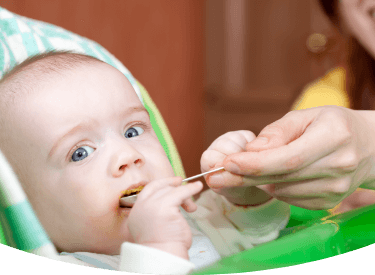
The amount of baby feeding at 1 week varies depending on whether it is breastfed or bottle fed. It can suck 10-12 times a day for at least 15-20 minutes.

Your baby will be hungry and will start to suck reflexively in every possible way to get the food. It will look around for your breast, find the nipple, spit successfully, and drink milk until it is full. In the first weeks, your breasts may hurt until they adapt to breastfeeding. If you are facing any problems with breast milk production, breastfeed frequently your baby; A sucking sensation on your nipples can trigger your body to start producing milk.

A newborn baby gets hungry quicker than you think. The baby should be breastfed whenever it wants, provided that it starts within the first hour after birth. There should be a maximum of 3 hours between each meal. If your baby is sleeping, you should wake up and establish a feeding routine. Especially night feeding is important. If you breastfeed your baby 2-3 times a night, your baby`s blood sugar is regulated, jaundice can be prevented, if any, weight loss that may occur in jaundice is prevented and milk production accelerates. Adequate nutrition of the newborn can be understood by the amount of urine and feces. Babies getting enough breast milk will have yellow, soft, even watery poop. The daily number can vary between 1-10. This should not be perceived as diarrhea.

If formula is to be applied, the amount should be as recommended by the doctor and the formula should be prepared as indicated on the package. Baby`s week/month and weight is an important determining factor in deciding this.

Sleep

1-week old baby`s sleep requirements are quite high. The whole birth process, then a new world and coming to terms with all the feelings and experiences that have not been experienced before, is also very tiring for it. Ideally, from birth to the 6th week, the baby`s sleep pattern is generally as follows;

The number of daytime naps is 4-8, The duration of daytime naps is 15 minutes-4 hours, The time to stay awake between two naps is 45 minutes-1 hour, Nighttime sleep time is 21.00-23.00, Nighttime sleep time is 8-14 hours, Total daily sleep time is 14-18.

It is too early for newborns to establish any sleep patterns as they cannot distinguish between day and night. Although a newborn baby sleeps for about 18 hours, this may vary from baby to baby. Some babies can sleep up to 20 hours, while others can sleep up to 10 hours. The important thing is that the baby sleeps in the right environment. In order to gradually create the difference between day and night, you should leave it in normal daylight during the day, and you can turn on a night light at night.

Let your baby lie on its back for the first week as this is the safest and most comfortable position for it. The temperature of the room should be suitable and no fumes or pollutants should enter the room. The tendency to sleep is extremely strong. This can cause it to fall asleep with your chest in his mouth right in the middle of feeding. Feeding is a very energy-consuming activity for it and can quickly make your baby tired and sleepy.

Behavior

Most babies in this period are usually quieter than they are older. The only time your baby will make noise is when it cries for food or soils its diaper. The rest of the time, it either sleeps or faces with the brave new world around it. A 1-week old baby who sleeps through the night is extremely rare, most of them awake for a while, looking at or listening to their mother, feeding, and then falling asleep again.

Most babies are quite content with their lives if they are fed properly, given a timely bed and given enough sleep. They will just keep looking around and listening to new sounds. If your baby`s routine is disrupted and its needs are put on hold, this causes it to cry and react a lot.

Newborn Care Tips

1. How to Hold?

One of the most timid issues for parents, especially fathers, is holding the baby. Fearful of hurting their baby, parents look for a way to hold them securely. As the neck muscles of newborn babies are not fully developed, the safest method is to hold the baby from the neck by supporting the head from the back of the neck. Parents should support the head and neck with one hand and hold the baby`s waist and hips with the other hand.

2. How to Take a Bath?

Healthy newborns can be bathed within the first 24 hours, depending on the environmental conditions in which they were born. They can be washed at home every day or every other day. It is appropriate to wash it under boiling and cooled running water until the navel falls. Normal bathing can be done in the tub 2-3 days after the navel falls. Bath water temperature should be at body temperature (36-37 degrees), room temperature should be 24-25 degrees. Before the bath, all items should be prepared and the baby should be prevented from losing heat. It should be started from the body first, gradually pouring the water into the baby`s body so that it gets used to it. Talking to your baby at this point can prevent it from crying. After body cleansing, wash the baby`s head with an eye-safe shampoo. When rinsing its head, be careful not to get water on its face. To wash the back, hold your baby tightly and lay it face down. Finish the bathing adventure by washing its back, butt and lastly its face with gentle movements. If the bath is done before breastfeeding, it is safer in terms of vomiting. In gassy and restless babies, evening baths can make it easier to spend the night. Shampoo or soap to be used in the bathroom should not be applied directly to the baby, but should be transferred to the baby by lathering with a sponge or by hand. This makes rinsing easier. After the bath, care should be taken to dry the skin and especially the folds well in order to prevent rashes and irritations.

3. Umbilical Cord Care

Umbilical cord care is performed with 70% alcohol or mersol solution until the umbilical cord dries and separates. Cord tissue is painless. Care should be continued for 1-2 days after the navel falls, if there is leakage, discharge or bleeding, the doctor should be consulted. Do not try to remove it yourself or tear it off its surface. After a few weeks, the stump will turn black and then fall off.

4. Bottom Cleaning

In order to prevent redness and rash in the diaper area, the baby`s diaper should be changed frequently, especially the contact time with poop should not be prolonged. It is essential that cleaning is done with water and the folds are dried very well. In girls, it is necessary to prevent the contamination of the urethra by cleaning from front to back. Olive oil or baby oil can be applied to the diaper area as a preservative. If redness occurs, treatment with zinc rash creams is appropriate.

5. Feet Touch the Bed

When your baby sleeps on his back, position the tiny feet so they touch the cot or bassinet. This will ensure that there is no room for it to slide down and that the blanket does not cover its face.

6. Swaddle Your Baby

Using a light cloth to wrap the baby helps keep its limbs safe because babies often move around a lot, can bump into their faces and disrupt their sleeps. Swaddling also makes them feel safe and they can sleep peacefully as if they were in the womb.

7. Contact with Your Baby is Important

From the moment your baby is born, it opens its eyes to an environment it is not accustomed to. Living in a small, liquid-filled space in the mother`s womb, the baby is introduced to air and light. It tries to adapt to a whole world from a narrow nest. The adaptation process can be quite difficult for your baby. At this point, the first week that the parents will spend with the baby is very important. The first touch, the first contact, the first words lay the foundations of the bond between you and your baby. At this point, especially the mother`s communication with the baby is very important. Because the baby recognizes the mother`s smell and voice. It is very normal for it to feel her presence next to it, to spend more time, to want to stay in her lap. Therefore, it is very important for the mother to be in close communication with her baby in this process in order to establish a bond based on love.

8. What Does Its Cry Say?

Crying is a form of expression. Crying is the only way to let you know when it’s hungry or in trouble. For this reason, you should pay attention to your baby`s crying, and you should listen to the suggestions that the baby will give up on its own. So why do babies cry? If your baby is hungry, has aches or pains, has soiled diapers, or is disturbed by temperature changes, it starts to cry. When it`s hungry, its crying tone goes up and down. It usually cries briefly and sucks its fingers. When it starts to suckle the mother, its crying stops. If it has pain, it cries more sharply and its cries are accompanied by screams. It is generally seen that it pulls its legs towards itself. If the baby is bored and wants attention, its cries will be echoed and continue to cry until it is taken in your arms.

9. Appropriate Room Temperature

The appropriate room temperature for a healthy newborn born on time and weighing more than 3 kg is between 22-24 degrees. In cases where the ambient temperature exceeds 25 degrees, the baby should be underdressed, because newborns do not sweat and the most important cause of fever is excessive wrapping or lying close to heaters.

10. Skin Care

Newborn babies` skin is very sensitive and thin. Especially in the days following the birth, the baby`s skin may become dry, crusty and peeling. For newborn babies, it is appropriate to use moisturizing baby oil or lotions during this period. Baby oils can provide proper moisturization by being applied to wet skin. Clothes that come into direct contact with the baby`s skin should be chosen from cotton fabrics and detergents should not be used for cleaning.

11. Eye Care

Eye care of babies is also very important in the first months. Taking care of hand hygiene before taking care of the baby is also important for eye health. If burrs occur, the eyes are wiped with boiled and cooled water. In cases of ongoing discharge, a doctor should be consulted in terms of tear duct narrowing or infection.

12. Nail Care

Nails of a newborn baby are very soft. During the first 2 months, it is appropriate to wear gloves until you can cut its nails, as it can scratch itself due to its catching reflex. In the first month, the nails that grow mostly break off on their own, after the first month, it is appropriate to cut the nails with baby scissors while it is sleeping.

Tests and Vaccines

Your baby will be vaccinated in 12 hours after birth. This vaccine is the first hepatitis B vaccine to prevent any infection for the liver.

If the baby is discharged within 72 hours after birth, it is recommended to be examined for jaundice within 2 days of leaving the hospital. If your doctor has not made an appointment, you can request a follow-up appointment.

Vitamin Tips

A newborn baby needs all the vitamins from the moment it is born. If you have had a balanced diet throughout your pregnancy and have provided adequate amounts of vitamin-mineral supplements, you will have ensured the passage of adequate vitamins to your baby. After birth, formula foods that you can use in cases when your breast milk is not enough to meet the vitamin needs of your baby. In routine child health follow-up, babies having no complaints do not need to be examined for vitamins. If the baby is on a healthy and adequate diet, he or she does not need additional multi-vitamin supplements besides routine vitamin D supplementation, as long as no deficiency is observed. In addition, vitamin excess in babies is harmful, as is the deficiency of vitamins, especially vitamins A and D.

It is possible to say that it is sufficient to give only vitamin D, with the approval of the doctor, in response to the need for vitamins for babies called 0-1 age group. Because babies naturally take all other vitamins during their feeding. All other vitamins are given when a deficiency is considered and detected during follow-up.

It would not be correct to make definite recommendations as there is not enough evidence to give oral multi-vitamin and mineral support to premature babies fed with breast milk or formula. Most vitamins and minerals are adequate in preterm formulas and fortified breast milk. Premature babies who take 180 ml of formula per kg of weight do not need multi-vitamin support. Multi-vitamins can be given to infants with non-fortified breast milk, with a birth weight of less than 1000 g, i.e. very low birth weight, until 6 months of age or up to 2000 g, with the approval of a doctor.

Mothers can experience anxiety about many issues, especially feeding their babies and strengthening the immune system. Moreover, although they follow the nutrition of their babies, they often need external vitamin and mineral supplements. The thought that "the baby should not have a deficiency" can push families to use unnecessary and wrong vitamins. Unnecessary supplements can cause various problems, especially in babies who are breastfed and meet all their vitamin and mineral needs from breast milk.

Plays and Activities

Your baby is extremely curious. You can keep it busy by making sounds and movements using your fingers. If you have tiny toe socks, they can be used as puppets and shown to your baby with different sounds and movements. Gradually, it will begin to associate movement and sound together.

Another interesting thing for your baby is your face. Making various expressions and changing from normal too happy to sad to funny will show him how the face works and how the person is still the same with different expressions.

When to Apply to Doctor?

1. Constipation: If your baby is not having bowel movements as often as it should, or if the stool is dry and hard, these could be signs of constipation.

2. Hiccups: Hiccups are quite normal in babies. But if your child baby seems bothered by them or has persistent hiccups, contact your doctor.

3. Reflux: It is normal to vomit a little by passing gas. But if it continues excessively, it could mean reflux.

4. Peeling of the skin: This is normal, but if the peeling gets worse, it is useful to consult a doctor.

5. Squint-eyed: Babies have a hard time focusing, so they may squint sometimes. However, if this is the general view, get your doctor`s advice.

6. Restlessness: Babies are getting used to the new world. But if they are more restless than usual during the day, they may be facing some problems.

7. Jaundice: Although the eyes and skin may be yellow in the first days, if it persists and increases, contact your doctor.

8. Discharge from the eyes: A little discharge is good for the baby as the tear ducts are not yet developed. However, if the watery discharge is excessive and the eyes appear swollen, it could indicate an infection.

Jaundice Tips

The most common type of jaundice occurs on the second or third day of life - while the baby is being discharged from the hospital, so it`s important to know this and keep an eye on it. Most of these cases, called physiological jaundice, disappear on their own in about two weeks. However, the doctor may order blood tests to measure your baby`s bilirubin levels, which usually involve drawing a small amount of blood from your baby`s heel. Here are a few tips to help you understand and get over jaundice:

  1. When the amount of bilirubin reaches around 20 mg/dl, the hands and feet turn yellow. The baby may need phototherapy.
  1. One of the best ways to check for jaundice is to gently press your finger on your baby`s forehead and nose. If the place you press turns yellow, your baby may have jaundice.
  1. The first thing that will signal you to understand jaundice will be your baby`s face. Then you may also notice this yellowing on your abdomen, arms and legs. This indicates that the jaundice is getting worse.
  1. If you observe a reluctance to suckle, loss of appetite and weight loss in your baby, you may consider this as a sign of severe jaundice.
  1. Your baby`s tiredness and difficulty in waking up from sleep are another indication that he or she has severe jaundice. In such cases, we recommend that you call your doctor.
  1. Breastfeed frequently; When you breastfeed your baby more, its intestines work harder. This makes it easier for it to remove the bilirubin pigment from its body along with its poop.
  1. You can let your baby get sunlight for up to 5 minutes.
  1. In a mild jaundice, the baby recovers between 2 and 3 weeks. In this process, jaundice values in babies gradually decrease.

1-Week-Old Baby: Development Week by Week

After months of a seemingly endless pregnancy, your birth was a success and your baby is finally with you. You now have many responsibilities as a parent, as the outside world is not as secure as your womb. All the experiences and feelings a baby has will be new to it as well as to you. In a way, it`s a new life for both of you - a life full of learning, love and growing together.

Baby Development

If you had a vaginal birth, your baby`s head may be slightly stretched. This is because its head is slightly squeezed as it passes through your birth canal. Its head will return to its natural shape in a few days.

Besides the shape, there are mainly two soft areas, one at the top and one at the back. These are called fontanelles. They have a protective covering, but these areas are where the skull begins to grow and fill over the next few years.

Sometimes, in the first week, there may be small red spots or some kind of rash on the skin. This is usually due to the skin`s hypersensitivity to the outside world and returns to normal within a short time. The palms and soles of the feet may also experience some peeling during this time.

After the umbilical cord is cut during childbirth, doctors tie a knot and all that`s left is a small root. It usually dries up and falls off within a week or two. During this time, it`s important to be gentle around the area and use sponges to bathe the baby if needed. While tying the diaper, that area should not be covered and the diaper should be folded.

Some parents get very worried when they see that their little one`s genitals are sometimes swollen. You don`t have to worry because this is the effect of the mother`s hormones being still present in the baby.

During this time, babies tend to have irregular breathing, with sometimes short or long breathing and sometimes seeming not to be breathing. Your baby may also make some sounds while breathing. This is just a period of getting used to and will usually return to normal within 4-6 weeks.

When the baby is born, it loses the excess fluid in its body. So when you get home, your baby may be slightly under birth weight. Don`t be alarmed by this, the weight gain will increase in 10 days to 2 weeks.

Milestones

One of the most important checks a baby goes through is the APGAR test. APGAR is an acronym for Appearance, Pulse, Grimace, Activity, and Respiration. These 5 parameters are checked immediately after the birth of the baby. By understanding whether the skin color is good, the heart rate is normal, reflexes and muscle tone are good, and breathing is OK under normal conditions, doctors can continue checking or take medical action to help the baby.

Most babies stay twisted as if they were inside the womb. Your baby will not be able to see much around, will only look for a few seconds and will not be able to select anything beyond the current viewing angle of 15 cm. When you hold your baby in your arms, it will feel your presence and will continue to look at you for a long time when it sees your face.

A cumulative sleep time of about 15-19 hours is considered normal because all sleep is disrupted by the need for diaper changes and feeding. Almost every few hours, your baby is in a cycle of eating, then sleeping and pooping. The first stool will be thick and green in color. This is due to the presence of a substance called meconium in the baby`s gut as a fetus. The baby is expected to defecate within the first 48 hours. Over time, poop turns yellow with feedings. Stool of a breastfed baby turns a bright, golden yellow color on 3-4. days.

Your baby is born with several reflexes. The Moro - or startle - reflex automatically causes it to bend its back, stretch its arms and legs, and sometimes cry when it feels a loud noise or sudden movement. Newborns can experience this reaction even during sleep, but it disappears after a few months. When it detects your finger in the palm of its hand, it will grasp it and will not let go. If you touch its cheeks or lips, it will immediately turn in that direction and begin to make sucking movements with its mouth. This is a natural reflex in all babies, called the sucking reflex, that helps them explore the breast and drink milk to sustain themselves.

Nutrition

The amount of baby feeding at 1 week varies depending on whether it is breastfed or bottle fed. It can suck 10-12 times a day for at least 15-20 minutes.

Your baby will be hungry and will start to suck reflexively in every possible way to get the food. It will look around for your breast, find the nipple, spit successfully, and drink milk until it is full. In the first weeks, your breasts may hurt until they adapt to breastfeeding. If you are facing any problems with breast milk production, breastfeed frequently your baby; A sucking sensation on your nipples can trigger your body to start producing milk.

A newborn baby gets hungry quicker than you think. The baby should be breastfed whenever it wants, provided that it starts within the first hour after birth. There should be a maximum of 3 hours between each meal. If your baby is sleeping, you should wake up and establish a feeding routine. Especially night feeding is important. If you breastfeed your baby 2-3 times a night, your baby`s blood sugar is regulated, jaundice can be prevented, if any, weight loss that may occur in jaundice is prevented and milk production accelerates. Adequate nutrition of the newborn can be understood by the amount of urine and feces. Babies getting enough breast milk will have yellow, soft, even watery poop. The daily number can vary between 1-10. This should not be perceived as diarrhea.

If formula is to be applied, the amount should be as recommended by the doctor and the formula should be prepared as indicated on the package. Baby`s week/month and weight is an important determining factor in deciding this.

Sleep

1-week old baby`s sleep requirements are quite high. The whole birth process, then a new world and coming to terms with all the feelings and experiences that have not been experienced before, is also very tiring for it. Ideally, from birth to the 6th week, the baby`s sleep pattern is generally as follows;

The number of daytime naps is 4-8, The duration of daytime naps is 15 minutes-4 hours, The time to stay awake between two naps is 45 minutes-1 hour, Nighttime sleep time is 21.00-23.00, Nighttime sleep time is 8-14 hours, Total daily sleep time is 14-18.

It is too early for newborns to establish any sleep patterns as they cannot distinguish between day and night. Although a newborn baby sleeps for about 18 hours, this may vary from baby to baby. Some babies can sleep up to 20 hours, while others can sleep up to 10 hours. The important thing is that the baby sleeps in the right environment. In order to gradually create the difference between day and night, you should leave it in normal daylight during the day, and you can turn on a night light at night.

Let your baby lie on its back for the first week as this is the safest and most comfortable position for it. The temperature of the room should be suitable and no fumes or pollutants should enter the room. The tendency to sleep is extremely strong. This can cause it to fall asleep with your chest in his mouth right in the middle of feeding. Feeding is a very energy-consuming activity for it and can quickly make your baby tired and sleepy.

Behavior

Most babies in this period are usually quieter than they are older. The only time your baby will make noise is when it cries for food or soils its diaper. The rest of the time, it either sleeps or faces with the brave new world around it. A 1-week old baby who sleeps through the night is extremely rare, most of them awake for a while, looking at or listening to their mother, feeding, and then falling asleep again.

Most babies are quite content with their lives if they are fed properly, given a timely bed and given enough sleep. They will just keep looking around and listening to new sounds. If your baby`s routine is disrupted and its needs are put on hold, this causes it to cry and react a lot.

Newborn Care Tips

1. How to Hold?

One of the most timid issues for parents, especially fathers, is holding the baby. Fearful of hurting their baby, parents look for a way to hold them securely. As the neck muscles of newborn babies are not fully developed, the safest method is to hold the baby from the neck by supporting the head from the back of the neck. Parents should support the head and neck with one hand and hold the baby`s waist and hips with the other hand.

2. How to Take a Bath?

Healthy newborns can be bathed within the first 24 hours, depending on the environmental conditions in which they were born. They can be washed at home every day or every other day. It is appropriate to wash it under boiling and cooled running water until the navel falls. Normal bathing can be done in the tub 2-3 days after the navel falls. Bath water temperature should be at body temperature (36-37 degrees), room temperature should be 24-25 degrees. Before the bath, all items should be prepared and the baby should be prevented from losing heat. It should be started from the body first, gradually pouring the water into the baby`s body so that it gets used to it. Talking to your baby at this point can prevent it from crying. After body cleansing, wash the baby`s head with an eye-safe shampoo. When rinsing its head, be careful not to get water on its face. To wash the back, hold your baby tightly and lay it face down. Finish the bathing adventure by washing its back, butt and lastly its face with gentle movements. If the bath is done before breastfeeding, it is safer in terms of vomiting. In gassy and restless babies, evening baths can make it easier to spend the night. Shampoo or soap to be used in the bathroom should not be applied directly to the baby, but should be transferred to the baby by lathering with a sponge or by hand. This makes rinsing easier. After the bath, care should be taken to dry the skin and especially the folds well in order to prevent rashes and irritations.

3. Umbilical Cord Care

Umbilical cord care is performed with 70% alcohol or mersol solution until the umbilical cord dries and separates. Cord tissue is painless. Care should be continued for 1-2 days after the navel falls, if there is leakage, discharge or bleeding, the doctor should be consulted. Do not try to remove it yourself or tear it off its surface. After a few weeks, the stump will turn black and then fall off.

4. Bottom Cleaning

In order to prevent redness and rash in the diaper area, the baby`s diaper should be changed frequently, especially the contact time with poop should not be prolonged. It is essential that cleaning is done with water and the folds are dried very well. In girls, it is necessary to prevent the contamination of the urethra by cleaning from front to back. Olive oil or baby oil can be applied to the diaper area as a preservative. If redness occurs, treatment with zinc rash creams is appropriate.

5. Feet Touch the Bed

When your baby sleeps on his back, position the tiny feet so they touch the cot or bassinet. This will ensure that there is no room for it to slide down and that the blanket does not cover its face.

6. Swaddle Your Baby

Using a light cloth to wrap the baby helps keep its limbs safe because babies often move around a lot, can bump into their faces and disrupt their sleeps. Swaddling also makes them feel safe and they can sleep peacefully as if they were in the womb.

7. Contact with Your Baby is Important

From the moment your baby is born, it opens its eyes to an environment it is not accustomed to. Living in a small, liquid-filled space in the mother`s womb, the baby is introduced to air and light. It tries to adapt to a whole world from a narrow nest. The adaptation process can be quite difficult for your baby. At this point, the first week that the parents will spend with the baby is very important. The first touch, the first contact, the first words lay the foundations of the bond between you and your baby. At this point, especially the mother`s communication with the baby is very important. Because the baby recognizes the mother`s smell and voice. It is very normal for it to feel her presence next to it, to spend more time, to want to stay in her lap. Therefore, it is very important for the mother to be in close communication with her baby in this process in order to establish a bond based on love.

8. What Does Its Cry Say?

Crying is a form of expression. Crying is the only way to let you know when it’s hungry or in trouble. For this reason, you should pay attention to your baby`s crying, and you should listen to the suggestions that the baby will give up on its own. So why do babies cry? If your baby is hungry, has aches or pains, has soiled diapers, or is disturbed by temperature changes, it starts to cry. When it`s hungry, its crying tone goes up and down. It usually cries briefly and sucks its fingers. When it starts to suckle the mother, its crying stops. If it has pain, it cries more sharply and its cries are accompanied by screams. It is generally seen that it pulls its legs towards itself. If the baby is bored and wants attention, its cries will be echoed and continue to cry until it is taken in your arms.

9. Appropriate Room Temperature

The appropriate room temperature for a healthy newborn born on time and weighing more than 3 kg is between 22-24 degrees. In cases where the ambient temperature exceeds 25 degrees, the baby should be underdressed, because newborns do not sweat and the most important cause of fever is excessive wrapping or lying close to heaters.

10. Skin Care

Newborn babies` skin is very sensitive and thin. Especially in the days following the birth, the baby`s skin may become dry, crusty and peeling. For newborn babies, it is appropriate to use moisturizing baby oil or lotions during this period. Baby oils can provide proper moisturization by being applied to wet skin. Clothes that come into direct contact with the baby`s skin should be chosen from cotton fabrics and detergents should not be used for cleaning.

11. Eye Care

Eye care of babies is also very important in the first months. Taking care of hand hygiene before taking care of the baby is also important for eye health. If burrs occur, the eyes are wiped with boiled and cooled water. In cases of ongoing discharge, a doctor should be consulted in terms of tear duct narrowing or infection.

12. Nail Care

Nails of a newborn baby are very soft. During the first 2 months, it is appropriate to wear gloves until you can cut its nails, as it can scratch itself due to its catching reflex. In the first month, the nails that grow mostly break off on their own, after the first month, it is appropriate to cut the nails with baby scissors while it is sleeping.

Tests and Vaccines

Your baby will be vaccinated in 12 hours after birth. This vaccine is the first hepatitis B vaccine to prevent any infection for the liver.

If the baby is discharged within 72 hours after birth, it is recommended to be examined for jaundice within 2 days of leaving the hospital. If your doctor has not made an appointment, you can request a follow-up appointment.

Vitamin Tips

A newborn baby needs all the vitamins from the moment it is born. If you have had a balanced diet throughout your pregnancy and have provided adequate amounts of vitamin-mineral supplements, you will have ensured the passage of adequate vitamins to your baby. After birth, formula foods that you can use in cases when your breast milk is not enough to meet the vitamin needs of your baby. In routine child health follow-up, babies having no complaints do not need to be examined for vitamins. If the baby is on a healthy and adequate diet, he or she does not need additional multi-vitamin supplements besides routine vitamin D supplementation, as long as no deficiency is observed. In addition, vitamin excess in babies is harmful, as is the deficiency of vitamins, especially vitamins A and D.

It is possible to say that it is sufficient to give only vitamin D, with the approval of the doctor, in response to the need for vitamins for babies called 0-1 age group. Because babies naturally take all other vitamins during their feeding. All other vitamins are given when a deficiency is considered and detected during follow-up.

It would not be correct to make definite recommendations as there is not enough evidence to give oral multi-vitamin and mineral support to premature babies fed with breast milk or formula. Most vitamins and minerals are adequate in preterm formulas and fortified breast milk. Premature babies who take 180 ml of formula per kg of weight do not need multi-vitamin support. Multi-vitamins can be given to infants with non-fortified breast milk, with a birth weight of less than 1000 g, i.e. very low birth weight, until 6 months of age or up to 2000 g, with the approval of a doctor.

Mothers can experience anxiety about many issues, especially feeding their babies and strengthening the immune system. Moreover, although they follow the nutrition of their babies, they often need external vitamin and mineral supplements. The thought that "the baby should not have a deficiency" can push families to use unnecessary and wrong vitamins. Unnecessary supplements can cause various problems, especially in babies who are breastfed and meet all their vitamin and mineral needs from breast milk.

Plays and Activities

Your baby is extremely curious. You can keep it busy by making sounds and movements using your fingers. If you have tiny toe socks, they can be used as puppets and shown to your baby with different sounds and movements. Gradually, it will begin to associate movement and sound together.

Another interesting thing for your baby is your face. Making various expressions and changing from normal too happy to sad to funny will show him how the face works and how the person is still the same with different expressions.

When to Apply to Doctor?

1. Constipation: If your baby is not having bowel movements as often as it should, or if the stool is dry and hard, these could be signs of constipation.

2. Hiccups: Hiccups are quite normal in babies. But if your child baby seems bothered by them or has persistent hiccups, contact your doctor.

3. Reflux: It is normal to vomit a little by passing gas. But if it continues excessively, it could mean reflux.

4. Peeling of the skin: This is normal, but if the peeling gets worse, it is useful to consult a doctor.

5. Squint-eyed: Babies have a hard time focusing, so they may squint sometimes. However, if this is the general view, get your doctor`s advice.

6. Restlessness: Babies are getting used to the new world. But if they are more restless than usual during the day, they may be facing some problems.

7. Jaundice: Although the eyes and skin may be yellow in the first days, if it persists and increases, contact your doctor.

8. Discharge from the eyes: A little discharge is good for the baby as the tear ducts are not yet developed. However, if the watery discharge is excessive and the eyes appear swollen, it could indicate an infection.

Jaundice Tips

The most common type of jaundice occurs on the second or third day of life - while the baby is being discharged from the hospital, so it`s important to know this and keep an eye on it. Most of these cases, called physiological jaundice, disappear on their own in about two weeks. However, the doctor may order blood tests to measure your baby`s bilirubin levels, which usually involve drawing a small amount of blood from your baby`s heel. Here are a few tips to help you understand and get over jaundice:

  1. When the amount of bilirubin reaches around 20 mg/dl, the hands and feet turn yellow. The baby may need phototherapy.
  1. One of the best ways to check for jaundice is to gently press your finger on your baby`s forehead and nose. If the place you press turns yellow, your baby may have jaundice.
  1. The first thing that will signal you to understand jaundice will be your baby`s face. Then you may also notice this yellowing on your abdomen, arms and legs. This indicates that the jaundice is getting worse.
  1. If you observe a reluctance to suckle, loss of appetite and weight loss in your baby, you may consider this as a sign of severe jaundice.
  1. Your baby`s tiredness and difficulty in waking up from sleep are another indication that he or she has severe jaundice. In such cases, we recommend that you call your doctor.
  1. Breastfeed frequently; When you breastfeed your baby more, its intestines work harder. This makes it easier for it to remove the bilirubin pigment from its body along with its poop.
  1. You can let your baby get sunlight for up to 5 minutes.
  1. In a mild jaundice, the baby recovers between 2 and 3 weeks. In this process, jaundice values in babies gradually decrease.