

Get our app

Download on the App Store

2-Week-Old Baby: Development Week by Week

Your little one is at home now and you`re still trying to get used to parenting. Your baby may not have a bi-weekly routine, but your days are busy and you probably follow the same routine - feeding, changing, sleeping and repeating. Your little one is getting used to the outside world and you are learning something new about your baby every day; crying patterns, hunger cues and more. Yet there is much to learn. Find out how your little one is developing in week 2.

Baby Development
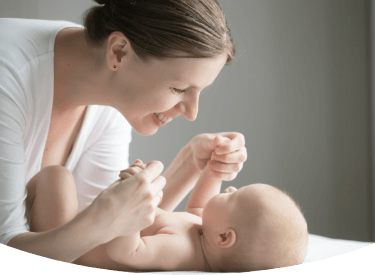
At week 2, the only way your baby can express its discomfort is to cry. At this stage, your baby`s eyes have not developed the full vision needed to focus and understand something. But babies have a fascination with human faces. And it`s important that it sees your face all the time. At the same time, holding your baby in your arms and providing skin contact will help develop the bond between you and your baby.

Postpartum Mother

As a new parent, it`s normal to feel some degree of emotional vulnerability. At least 60% of new mother’s experience "baby blues", a mild form of depression that causes crying, anxiety, sleep problems, irritability and moodiness. There`s no need to feel guilty if you look at your baby, whom you`ve been waiting for 9 months, and feel a bit like a stranger. Give it time and finally know that you can`t imagine life without it.

However, if this condition lasts for more than two or three weeks, you may experience postpartum depression (PPD), a serious condition that affects 20% of new mothers. Any of the symptoms - all day insomnia, crying or sadness, decreased interest in almost all activities, difficulty in concentrating, change in appetite, anxiety, extreme guilt, panic attacks (symptoms include rapid heartbeat, dizziness, confusion, feeling of death) or suicidal thoughts - contact your healthcare provider immediately.

Milestones

Toward the second week, the remaining small piece of the umbilical cord dries up and falls off. Until this happens, it is important to treat the surrounding area gently and with care.

This is also when you are at home and may be close to establishing a routine. Being indoors all the time can be boring for you, go out for half an hour to fresh air and breathe with your baby.

All newborn reflexes continue this week. It may startle and react to a sudden sound. Cries for help when hungry or soiled, but can calm down because it is sensitive to mother`s voice.

Nutrition

During the first six months of life, the only source of nutrition for a baby is breast milk (or formula milk if the mother cannot breastfeed). The feeding process can sometimes be a little uncomfortable or painful for mothers, as nipples may be a little more sensitive than normal postpartum. However, it is important that the breastfeeding process continues, because as the baby gets used to sucking in this way, your breasts will begin to relax with the correct synchronization of your breastfeeding style and position. Each feeding quickly facilitates the process.

The amount of nutrition of a 2-week-old baby varies from growth to weight, etc. may change. Two weeks is too early to establish a fixed routine for feeding your baby. For now, it`s best to meet the baby`s demands and feed it whenever it gets hungry. This also increases your breast milk production and prepares you for the demands of feeding that will increase as your baby grows.

Sleep

In the second week, a baby`s life is spent on nutrition and sleep. Your baby wakes up crying with hunger, feeds, then stays awake for a while, evaluates the world around it, and falls asleep again. Sometimes your baby may continue to cry even after feeding and you may not know exactly what is bothering it. If it has slept, has a full stomach, has a clean bottom, and does not have a physical illness, there are two options left; Hello gas! or Mom want attention! You can calm babies and get them back to sleep by holding them in your lap, saying shhhhh in their ear, gently shaking them, swaddling them or giving them a bath.

It`s best to have your baby`s crib with you while you sleep. There will be a constant need to check if it`s okay and to feed it if it`s hungry. Having your baby close to you makes your job easier.

Behavior

Like every human being, the behavior of babies varies from one baby to the next. However, most of them are usually in the feeding-sleep cycle. It may not be obvious at first, but as you feed your baby, you`ll notice that a baby spends most of its energy simply sucking on your breast, causing it to fall asleep soon after feeding. Premature babies tend to sleep more often than others, and doctors may recommend waking them up to ensure they are fully fed.

In rare cases, some babies` eyes are overly open and inquisitive. Even while breastfeeding, their eyes may shoot towards any sound that may occur in the room.

Care Tips

  1. The barriers, feet on the ground, surface and corners and border gaps of the crib where your baby sleeps should be safe. For the crib mattress, semi-orthopedic, slightly firm mattress is recommended.
  1. Do not allow your baby to sleep with loose bedding, pillows, soft toys, etc., which could unexpectedly close its mouth and affect its breathing.
  1. Sleep in the same room with your baby, but never in the same bed.
  1. Always put your baby on its back on a slightly inclined bed - not on its stomach or side.
  1. Do not overdress your baby.
  1. Never smoke around your baby and keep it away from smokers.
  1. Babies need to spend time on its tummy every day to strengthen its neck muscles.
  1. While preparing water for your baby`s bath, check the temperature by dipping your elbow. Make sure it`s not hot by baby`s standards, as its skin is much more sensitive than yours.
  1. Do not keep small objects around the baby. A random hand gesture might cause it to snatch it and put it in its mouth.
  1. At two weeks, babies still cannot fully move their bodies. For this reason, you need to put your baby to sleep on its back. Do not keep blankets that could accidentally cover its face.
  1. Never leave your baby alone. Make the house safe for the baby, use baby monitors if needed.
  1. If your baby was born prematurely or if doctors are talking about a low immunity, keep your baby away from strangers or relatives. Limit the number of people who interacts with or hold your baby close. Make sure anyone who does this uses disinfectant or washes its hands before touching your baby.
  1. If your baby was born prematurely, remember that preterm babies often need a little more time to reach certain stages.
  1. Keep your doctor`s number by and check if your baby has a fever or any other unusual symptoms.

Tests and Vaccines

There is not any test or vaccine in the second week.

Plays and Activities

One of the first things your baby can perceive and remember as it explores various things around is is the sense of touch. You can play with your baby using various items with different textures. This could be a baby-friendly plastic toy, a velvet fabric, a silk scarf, a soft blanket, your hair, etc. You can get a few brightly colored blocks or moving toys to improve its vision. Keep talking, looking into its eyes. This will also increase the bond between you and your baby.

Massage is a great activity for babies. Take a baby-friendly massage oil and rub it into your palms to warm it up. Begin by gently massaging your baby`s legs as you continue to talk to it. Start from the legs and work towards the thighs and abdomen. Be careful in the abdomen and chest area, around the umbilical cord if it hasn`t fallen off yet.

When to Apply to The Doctor

Jaundice: Most babies develop jaundice after birth, but jaundice can be overcome by frequent feedings and keeping the baby in the sunlight for a few minutes. If severe, medical attention will be needed. If your baby`s face and chest begin to turn yellow, it`s important to let your doctor know right away.

Vomiting: It is known that babies vomit excessive amounts after feeding. If your baby continues to gain weight as expected, there is no need to worry. Feeding a little less than usual and taking care to burp after each feeding will reduce vomiting. If it has developing problems, is not gaining weight and is restless, contact your doctor.

Consult your doctor in case of constipation, skin rash, heavy discharged eyes, cough, breathing problems and fever.

2-Week-Old Baby: Development Week by Week

Your little one is at home now and you`re still trying to get used to parenting. Your baby may not have a bi-weekly routine, but your days are busy and you probably follow the same routine - feeding, changing, sleeping and repeating. Your little one is getting used to the outside world and you are learning something new about your baby every day; crying patterns, hunger cues and more. Yet there is much to learn. Find out how your little one is developing in week 2.

Baby Development

At week 2, the only way your baby can express its discomfort is to cry. At this stage, your baby`s eyes have not developed the full vision needed to focus and understand something. But babies have a fascination with human faces. And it`s important that it sees your face all the time. At the same time, holding your baby in your arms and providing skin contact will help develop the bond between you and your baby.

Postpartum Mother

As a new parent, it`s normal to feel some degree of emotional vulnerability. At least 60% of new mother’s experience "baby blues", a mild form of depression that causes crying, anxiety, sleep problems, irritability and moodiness. There`s no need to feel guilty if you look at your baby, whom you`ve been waiting for 9 months, and feel a bit like a stranger. Give it time and finally know that you can`t imagine life without it.

However, if this condition lasts for more than two or three weeks, you may experience postpartum depression (PPD), a serious condition that affects 20% of new mothers. Any of the symptoms - all day insomnia, crying or sadness, decreased interest in almost all activities, difficulty in concentrating, change in appetite, anxiety, extreme guilt, panic attacks (symptoms include rapid heartbeat, dizziness, confusion, feeling of death) or suicidal thoughts - contact your healthcare provider immediately.

Milestones

Toward the second week, the remaining small piece of the umbilical cord dries up and falls off. Until this happens, it is important to treat the surrounding area gently and with care.

This is also when you are at home and may be close to establishing a routine. Being indoors all the time can be boring for you, go out for half an hour to fresh air and breathe with your baby.

All newborn reflexes continue this week. It may startle and react to a sudden sound. Cries for help when hungry or soiled, but can calm down because it is sensitive to mother`s voice.

Nutrition

During the first six months of life, the only source of nutrition for a baby is breast milk (or formula milk if the mother cannot breastfeed). The feeding process can sometimes be a little uncomfortable or painful for mothers, as nipples may be a little more sensitive than normal postpartum. However, it is important that the breastfeeding process continues, because as the baby gets used to sucking in this way, your breasts will begin to relax with the correct synchronization of your breastfeeding style and position. Each feeding quickly facilitates the process.

The amount of nutrition of a 2-week-old baby varies from growth to weight, etc. may change. Two weeks is too early to establish a fixed routine for feeding your baby. For now, it`s best to meet the baby`s demands and feed it whenever it gets hungry. This also increases your breast milk production and prepares you for the demands of feeding that will increase as your baby grows.

Sleep

In the second week, a baby`s life is spent on nutrition and sleep. Your baby wakes up crying with hunger, feeds, then stays awake for a while, evaluates the world around it, and falls asleep again. Sometimes your baby may continue to cry even after feeding and you may not know exactly what is bothering it. If it has slept, has a full stomach, has a clean bottom, and does not have a physical illness, there are two options left; Hello gas! or Mom want attention! You can calm babies and get them back to sleep by holding them in your lap, saying shhhhh in their ear, gently shaking them, swaddling them or giving them a bath.

It`s best to have your baby`s crib with you while you sleep. There will be a constant need to check if it`s okay and to feed it if it`s hungry. Having your baby close to you makes your job easier.

Behavior

Like every human being, the behavior of babies varies from one baby to the next. However, most of them are usually in the feeding-sleep cycle. It may not be obvious at first, but as you feed your baby, you`ll notice that a baby spends most of its energy simply sucking on your breast, causing it to fall asleep soon after feeding. Premature babies tend to sleep more often than others, and doctors may recommend waking them up to ensure they are fully fed.

In rare cases, some babies` eyes are overly open and inquisitive. Even while breastfeeding, their eyes may shoot towards any sound that may occur in the room.

Care Tips

  1. The barriers, feet on the ground, surface and corners and border gaps of the crib where your baby sleeps should be safe. For the crib mattress, semi-orthopedic, slightly firm mattress is recommended.
  1. Do not allow your baby to sleep with loose bedding, pillows, soft toys, etc., which could unexpectedly close its mouth and affect its breathing.
  1. Sleep in the same room with your baby, but never in the same bed.
  1. Always put your baby on its back on a slightly inclined bed - not on its stomach or side.
  1. Do not overdress your baby.
  1. Never smoke around your baby and keep it away from smokers.
  1. Babies need to spend time on its tummy every day to strengthen its neck muscles.
  1. While preparing water for your baby`s bath, check the temperature by dipping your elbow. Make sure it`s not hot by baby`s standards, as its skin is much more sensitive than yours.
  1. Do not keep small objects around the baby. A random hand gesture might cause it to snatch it and put it in its mouth.
  1. At two weeks, babies still cannot fully move their bodies. For this reason, you need to put your baby to sleep on its back. Do not keep blankets that could accidentally cover its face.
  1. Never leave your baby alone. Make the house safe for the baby, use baby monitors if needed.
  1. If your baby was born prematurely or if doctors are talking about a low immunity, keep your baby away from strangers or relatives. Limit the number of people who interacts with or hold your baby close. Make sure anyone who does this uses disinfectant or washes its hands before touching your baby.
  1. If your baby was born prematurely, remember that preterm babies often need a little more time to reach certain stages.
  1. Keep your doctor`s number by and check if your baby has a fever or any other unusual symptoms.

Tests and Vaccines

There is not any test or vaccine in the second week.

Plays and Activities

One of the first things your baby can perceive and remember as it explores various things around is is the sense of touch. You can play with your baby using various items with different textures. This could be a baby-friendly plastic toy, a velvet fabric, a silk scarf, a soft blanket, your hair, etc. You can get a few brightly colored blocks or moving toys to improve its vision. Keep talking, looking into its eyes. This will also increase the bond between you and your baby.

Massage is a great activity for babies. Take a baby-friendly massage oil and rub it into your palms to warm it up. Begin by gently massaging your baby`s legs as you continue to talk to it. Start from the legs and work towards the thighs and abdomen. Be careful in the abdomen and chest area, around the umbilical cord if it hasn`t fallen off yet.

When to Apply to The Doctor

Jaundice: Most babies develop jaundice after birth, but jaundice can be overcome by frequent feedings and keeping the baby in the sunlight for a few minutes. If severe, medical attention will be needed. If your baby`s face and chest begin to turn yellow, it`s important to let your doctor know right away.

Vomiting: It is known that babies vomit excessive amounts after feeding. If your baby continues to gain weight as expected, there is no need to worry. Feeding a little less than usual and taking care to burp after each feeding will reduce vomiting. If it has developing problems, is not gaining weight and is restless, contact your doctor.

Consult your doctor in case of constipation, skin rash, heavy discharged eyes, cough, breathing problems and fever.