

Get our app

Download on the App Store

27-Week-Old Baby: Development Week by Week

BYour baby is working towards mastering fine motor skills (smaller movements of the hands, wrists and fingers) and gross motor skills (larger movements that use arms, legs or the whole body). Your little one probably has favorite toys. Can you be jealous?

Baby Development
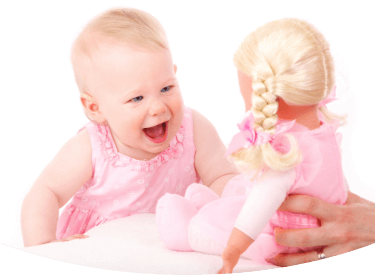
Your baby`s fine motor skills are developing. By now, it can probably pick up things with one hand and transfer them from one hand to the other quite easily. Fine motor skills include small, precise thumb, finger, hand, and wrist movements and are used for actions such as picking up things between thumb and finger.

Gross motor skills are required for activities such as crawling that use large muscles such as those in the arms, legs, feet or the whole body. To encourage your baby to develop these skills, place a toy out of your baby`s reach and watch as it tries to pick it up.

Your baby can now support some of its weight on its legs and loves to jump - something that can strengthen its muscles to walk later. Hold it under its arms and help it stand on the ground or on your lap. You may need to help it start moving by lifting it off the ground (or on your lap), but once it starts, just watch it go! Now is a good time to let it play a baby jumper.

You will notice that it becomes more and more aware of what it wants and even shows some anger in its cries when things don`t go their way. You will also find that its body works on its mobility skills all day and night.

Milestones

Babies grow at different rates and not all reach developmental milestones at the same time. By week 27, some babies just sit, some crawl, and some just roll over. However, consult your pediatrician if you notice any problems.

  1. You will find that your baby is quite happy on its tummy, rolling over or trying to get up. This is a good time to help it sit upright. Support it in a sitting position while playing.
  1. Some babies may start teething by this time. You can help relieve toothache with cold foods and teether toys. Pay attention to its mood and behavior. If you find that its gums are red or swollen, ease the pain with a cold teething ring.
  1. It is now starting to understand your facial expression and related emotions. It`ll know when you appreciate what it’s doing and when you`re angry. It can distinguish between surprised, happy, scared, and sad faces and their associated tones.

Nutrition

The main food is still breast milk or formula. One meal is supplementary food. This journey, which starts with purees, will continue until it eats full solid foods. However, instead of preparing separate meals for your baby, plan what you can gradually adapt from your own family meal according to your baby`s needs.

Sleep

A 27-week old baby sleep should be about 14-15 hours a day. Babies get cranky at bedtimes if they have emotional issues or are tired. By watching them throughout the day, watch for signs of fatigue and help them fall asleep without getting too tired. Being very tired makes it difficult for them to fall asleep and calm down. Research shows that taking a 30-minute nap after any new task helps them remember and practice the next time. So the best teacher is sleep!

Care Tips

  1. Once they learn to crawl, they will start removing anything from the shelves they can reach. This is the right time to secure shelves to walls and other hazardous areas such as stairs, balconies, kitchens and bathrooms. It is also important to cover open electrical outlets.
  1. They may like to put weight on their legs when you hold them upright. Let them do; the weight in their legs encourages muscle strength and gross motor control.
  1. Experts agree that it is impossible to spoil a child with too much love. Don`t let these old and bad advice become a curtain between you and your baby, hug, hold, and intervene when it cries.
  1. Your baby can now choose its first object of comfort - a teddy bear, a soft blanket or any toy it`ll prefer and stick to for years. These are what experts refer to as "transitional objects" as they help babies bridge the gap between dependency and autonomy. They provide comfort and confidence when you are not around. So whatever they choose, buy a few more just in case.
  1. The new grandparents are genuinely well-intentioned. Sometimes they tend to mean a little too much. Try not to react too defensively or judgmentally if they criticize your parenting style, make unsolicited advice, or otherwise try to influence your choices to raise your baby. They may have more years of parenting experience than you, but the only two of you are the parents of this baby – a fact you can kindly remind them of. Sometimes their experience can also be useful. If it works better for you at the moment, thank them for their contribution, even if you stick to your own methods. When it comes to pampering your baby, your baby will not suffer from being cuddled and loved as long as they don`t interfere with the feeding, sleep routines the education system you set. Excessive gift-giving is sometimes a cause for concern for parents. When you object to something, remember to start your words on a positive note. Thank the grandparents for their generosity, then explain what, when, and how much you prefer your baby to have. For example, buying toys too often harms your baby`s emotional and physical development (it damages attachment, focusing, and detailed exploration skills, and after a while, you may be faced with a baby who is insatiable, bored, and does not value things). Your baby`s healthy development is much more precious than whether someone else is upset or not. So feel free to warn.

Tests and Vaccines

If you take your baby to the doctor, the following will be checked:

  1. The baby is weighed, height and head circumference are measured to place it on a growth chart.
  1. The heart and lungs are examined for abnormal rhythms or breathing problems.
  1. The eyes are examined for congenital conditions and clogged ducts.
  1. The ears are examined for signs of infection and how your baby responds to sounds.
  1. Oral examination is performed for aspects such as thrush and new teeth.
  1. The head is checked for soft spots (fontanelles) and shape.
  1. The body is examined for reflexes, muscle tone and skin rashes. Muscle controls are also evaluated while sitting, grabbing items, and during other interactions. Baby`s arms and legs are moved to look for problems in the joints.

Plays and Activities

Hide and seek: This game develops its fine motor skills and helps build a sense of object permanence. For this activity you will need a clean towel, snacks and a slightly opaque glass. The game begins by showing your baby the snacks and covering them with a towel. Let baby pick up the towel to discover that the snack is still there even though it just couldn`t see it. Now cover the food with one of the opaque containers and put two more glasses next to it. Stir the glasses and lift the glasses to let it find its snacks underneath.

The big fall: Babies love games with a surprise ending, especially action ones. This game develops gross motor skills and creates a perception of cause and effect. Lie on your back with your knees up on a soft rug. Have your baby sit on your tummy facing you while leaning on your knees. Stabilize it with your hands and swing it from side to side as you read a nursery rhyme with the word fall. Every time the word "fall" comes, swing to one side.

When to Apply to The Doctor?

  1. Your baby does not respond to the sound stimulus by turning towards the sound.
  1. Its eyes do not follow you or moving objects and sometimes appear cross-eyed.
  1. It stands with one limb over the other or leaning sideways.
  1. It’s having an allergic reaction to a new food you`ve tried.
  1. Its bowel movements seem dry and hard.

27-Week-Old Baby: Development Week by Week

BYour baby is working towards mastering fine motor skills (smaller movements of the hands, wrists and fingers) and gross motor skills (larger movements that use arms, legs or the whole body). Your little one probably has favorite toys. Can you be jealous?

Baby Development

Your baby`s fine motor skills are developing. By now, it can probably pick up things with one hand and transfer them from one hand to the other quite easily. Fine motor skills include small, precise thumb, finger, hand, and wrist movements and are used for actions such as picking up things between thumb and finger.

Gross motor skills are required for activities such as crawling that use large muscles such as those in the arms, legs, feet or the whole body. To encourage your baby to develop these skills, place a toy out of your baby`s reach and watch as it tries to pick it up.

Your baby can now support some of its weight on its legs and loves to jump - something that can strengthen its muscles to walk later. Hold it under its arms and help it stand on the ground or on your lap. You may need to help it start moving by lifting it off the ground (or on your lap), but once it starts, just watch it go! Now is a good time to let it play a baby jumper.

You will notice that it becomes more and more aware of what it wants and even shows some anger in its cries when things don`t go their way. You will also find that its body works on its mobility skills all day and night.

Milestones

Babies grow at different rates and not all reach developmental milestones at the same time. By week 27, some babies just sit, some crawl, and some just roll over. However, consult your pediatrician if you notice any problems.

  1. You will find that your baby is quite happy on its tummy, rolling over or trying to get up. This is a good time to help it sit upright. Support it in a sitting position while playing.
  1. Some babies may start teething by this time. You can help relieve toothache with cold foods and teether toys. Pay attention to its mood and behavior. If you find that its gums are red or swollen, ease the pain with a cold teething ring.
  1. It is now starting to understand your facial expression and related emotions. It`ll know when you appreciate what it’s doing and when you`re angry. It can distinguish between surprised, happy, scared, and sad faces and their associated tones.

Nutrition

The main food is still breast milk or formula. One meal is supplementary food. This journey, which starts with purees, will continue until it eats full solid foods. However, instead of preparing separate meals for your baby, plan what you can gradually adapt from your own family meal according to your baby`s needs.

Sleep

A 27-week old baby sleep should be about 14-15 hours a day. Babies get cranky at bedtimes if they have emotional issues or are tired. By watching them throughout the day, watch for signs of fatigue and help them fall asleep without getting too tired. Being very tired makes it difficult for them to fall asleep and calm down. Research shows that taking a 30-minute nap after any new task helps them remember and practice the next time. So the best teacher is sleep!

Care Tips

  1. Once they learn to crawl, they will start removing anything from the shelves they can reach. This is the right time to secure shelves to walls and other hazardous areas such as stairs, balconies, kitchens and bathrooms. It is also important to cover open electrical outlets.
  1. They may like to put weight on their legs when you hold them upright. Let them do; the weight in their legs encourages muscle strength and gross motor control.
  1. Experts agree that it is impossible to spoil a child with too much love. Don`t let these old and bad advice become a curtain between you and your baby, hug, hold, and intervene when it cries.
  1. Your baby can now choose its first object of comfort - a teddy bear, a soft blanket or any toy it`ll prefer and stick to for years. These are what experts refer to as "transitional objects" as they help babies bridge the gap between dependency and autonomy. They provide comfort and confidence when you are not around. So whatever they choose, buy a few more just in case.
  1. The new grandparents are genuinely well-intentioned. Sometimes they tend to mean a little too much. Try not to react too defensively or judgmentally if they criticize your parenting style, make unsolicited advice, or otherwise try to influence your choices to raise your baby. They may have more years of parenting experience than you, but the only two of you are the parents of this baby – a fact you can kindly remind them of. Sometimes their experience can also be useful. If it works better for you at the moment, thank them for their contribution, even if you stick to your own methods. When it comes to pampering your baby, your baby will not suffer from being cuddled and loved as long as they don`t interfere with the feeding, sleep routines the education system you set. Excessive gift-giving is sometimes a cause for concern for parents. When you object to something, remember to start your words on a positive note. Thank the grandparents for their generosity, then explain what, when, and how much you prefer your baby to have. For example, buying toys too often harms your baby`s emotional and physical development (it damages attachment, focusing, and detailed exploration skills, and after a while, you may be faced with a baby who is insatiable, bored, and does not value things). Your baby`s healthy development is much more precious than whether someone else is upset or not. So feel free to warn.

Tests and Vaccines

If you take your baby to the doctor, the following will be checked:

  1. The baby is weighed, height and head circumference are measured to place it on a growth chart.
  1. The heart and lungs are examined for abnormal rhythms or breathing problems.
  1. The eyes are examined for congenital conditions and clogged ducts.
  1. The ears are examined for signs of infection and how your baby responds to sounds.
  1. Oral examination is performed for aspects such as thrush and new teeth.
  1. The head is checked for soft spots (fontanelles) and shape.
  1. The body is examined for reflexes, muscle tone and skin rashes. Muscle controls are also evaluated while sitting, grabbing items, and during other interactions. Baby`s arms and legs are moved to look for problems in the joints.

Plays and Activities

Hide and seek: This game develops its fine motor skills and helps build a sense of object permanence. For this activity you will need a clean towel, snacks and a slightly opaque glass. The game begins by showing your baby the snacks and covering them with a towel. Let baby pick up the towel to discover that the snack is still there even though it just couldn`t see it. Now cover the food with one of the opaque containers and put two more glasses next to it. Stir the glasses and lift the glasses to let it find its snacks underneath.

The big fall: Babies love games with a surprise ending, especially action ones. This game develops gross motor skills and creates a perception of cause and effect. Lie on your back with your knees up on a soft rug. Have your baby sit on your tummy facing you while leaning on your knees. Stabilize it with your hands and swing it from side to side as you read a nursery rhyme with the word fall. Every time the word "fall" comes, swing to one side.

When to Apply to The Doctor?

  1. Your baby does not respond to the sound stimulus by turning towards the sound.
  1. Its eyes do not follow you or moving objects and sometimes appear cross-eyed.
  1. It stands with one limb over the other or leaning sideways.
  1. It’s having an allergic reaction to a new food you`ve tried.
  1. Its bowel movements seem dry and hard.