

Get our app

Download on the App Store

31-Week-Old Baby: Development Week by Week

Every step, every crawl and every laugh creates a deep sense of love and devotion to your little one. Being a parent can be difficult, but with help and resources you can help your baby grow and develop as a happy and healthy individual.

Baby Development
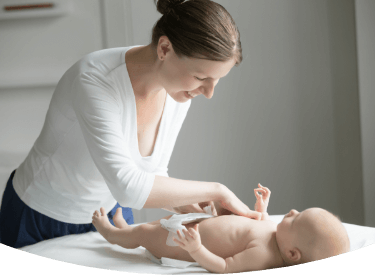
Your baby will engage you with its voices, crawling and constant excitement and energy. You can document this growth with pictures and videos; you can keep up with its antics by playing games, helping its cognitive development, and making sure it eats healthy, nutritious meals.

Milestones

  1. Can sit unassisted.
  1. Can pick up and hold objects firmly with fingers.
  1. Makes different sounds to indicate different situations and moods.
  1. Tries to imitate the sounds and movements it hears.
  1. Probably can crawl a little or move forward.

Nutrition

Breast milk provides all the necessary nutrients for a growing baby, especially in the first year, so if you plan to breastfeed for at least 12 months, establish a schedule, a routine, to accommodate the different feeding sessions of complementary foods and breastfeeding. Whatever your diet, it is always important to offer milk, especially breast milk, before solid foods so that your baby can be fully fed.

Sleep

Growing through big developmental leaps with teething and increased mobility, your baby may sometimes show sleep resistance. It may be inclined to sleep late, wake up often, and get up early because of the excitement of its discovery and the constant desire to try new inventions. You patiently continue your daily routine without stretching it, it will get better. Your baby may get tired more easily due to the difficult phase of its life, and may have trouble sleeping at night. To ensure a regular and healthy sleep, it is important to minimize distractions, avoid exciting and active activities, light and excessive noise before sleep.

Care Tips

  1. Offer your little one a variety of vegetables and fruits in a variety of shapes, such as pureed, mashed, or hand-held foods.
  1. Make sure your baby consumes enough water.
  1. Be sure to wash the fruits and vegetables you give your baby very well.
  1. Turn household chores such as folding the laundry and tidying the baby`s room into a game by including your baby.
  1. In order to create a secure bond with your baby, make sure that every time you spend together is of quality.
  1. Protect your baby from phone, television, computer, Wi-Fi network etc. Keep away from devices that emit radiation, especially in the first 6 years when brain development is very active. Make sure no one is ever in the room where your baby sleeps.
  1. Try to offer different types of toys or objects to improve its cognitive abilities.
  1. Always treat your baby with a smiling, affectionate and calm mood.
  1. The first 6 years is the period when the entire subconscious is formed. Create a safe zone around it from all angles so that no signs go from its ears and eyes that could have a detrimental effect on its character and emotional world.
  1. Keep a baby bag with toys, diapers, baby bottle, cotton and extra clothes ready at hand.
  1. Try to discover your baby`s personality traits and support all the talents you notice.
  1. As important as taking care of your baby is, it is also important to take care of yourself as a parent. If your baby is sleeping, take a nap with it.
  1. As parents, take small breaks and help each other with your partner to care for your little one. The time your baby will love the most is the time you both spend together.
  1. Do not ignore when it cries, be sure to respond. Solving the root problem that caused it to cry is more important than stopping its crying.

Tests and Activities

If previous vaccinations and controls have been completed, there is no special routine for this week.

Plays and Activities

As your baby will be curious and interested in its surroundings at this age, start introducing different elements in its environment to keep it entertained. The sun, the sky, the apartments, the cars, its actions in the flow of daily life...

You can take a toy with a string and gently pull the string so your baby can follow the toy. Your baby will develop motor skills by trying to crawl to reach the toy.

Another simple game you can play with your baby is clapping. Clap your hands and your baby will begin to imitate you. Clapping involves bringing the two hands together at the midline of the body, which strengthens the coordination between both sides of the body. These skills support later achievements such as dressing, reading and writing. You can even begin to sing some nursery rhymes to your baby because at this stage it is starting to recognize sounds and make associations. Another great game is to hide his toy and encourage it to find it.

When to Apply to The Doctor?

It`s important to be alert and monitor your baby`s growth to ensure you get in touch with your doctor at the right time. If your baby is in a lot of pain due to teething and cannot sleep for days; if the eyes are reddish watery; your baby`s routine is disrupted by diarrhea, a high fever, or any unusual physical symptom you may experience; Be sure to call your doctor if it has blood in its poop. If your baby has chest retraction, enlarged nostrils, heavy or noisy breathing, then it may be experiencing respiratory distress. If your baby`s lips and mouth are dry, it may be dehydrated. It is important to consult a doctor and be prepared for these scenarios.

31-Week-Old Baby: Development Week by Week

Every step, every crawl and every laugh creates a deep sense of love and devotion to your little one. Being a parent can be difficult, but with help and resources you can help your baby grow and develop as a happy and healthy individual.

Baby Development

Your baby will engage you with its voices, crawling and constant excitement and energy. You can document this growth with pictures and videos; you can keep up with its antics by playing games, helping its cognitive development, and making sure it eats healthy, nutritious meals.

Milestones

  1. Can sit unassisted.
  1. Can pick up and hold objects firmly with fingers.
  1. Makes different sounds to indicate different situations and moods.
  1. Tries to imitate the sounds and movements it hears.
  1. Probably can crawl a little or move forward.

Nutrition

Breast milk provides all the necessary nutrients for a growing baby, especially in the first year, so if you plan to breastfeed for at least 12 months, establish a schedule, a routine, to accommodate the different feeding sessions of complementary foods and breastfeeding. Whatever your diet, it is always important to offer milk, especially breast milk, before solid foods so that your baby can be fully fed.

Sleep

Growing through big developmental leaps with teething and increased mobility, your baby may sometimes show sleep resistance. It may be inclined to sleep late, wake up often, and get up early because of the excitement of its discovery and the constant desire to try new inventions. You patiently continue your daily routine without stretching it, it will get better. Your baby may get tired more easily due to the difficult phase of its life, and may have trouble sleeping at night. To ensure a regular and healthy sleep, it is important to minimize distractions, avoid exciting and active activities, light and excessive noise before sleep.

Care Tips

  1. Offer your little one a variety of vegetables and fruits in a variety of shapes, such as pureed, mashed, or hand-held foods.
  1. Make sure your baby consumes enough water.
  1. Be sure to wash the fruits and vegetables you give your baby very well.
  1. Turn household chores such as folding the laundry and tidying the baby`s room into a game by including your baby.
  1. In order to create a secure bond with your baby, make sure that every time you spend together is of quality.
  1. Protect your baby from phone, television, computer, Wi-Fi network etc. Keep away from devices that emit radiation, especially in the first 6 years when brain development is very active. Make sure no one is ever in the room where your baby sleeps.
  1. Try to offer different types of toys or objects to improve its cognitive abilities.
  1. Always treat your baby with a smiling, affectionate and calm mood.
  1. The first 6 years is the period when the entire subconscious is formed. Create a safe zone around it from all angles so that no signs go from its ears and eyes that could have a detrimental effect on its character and emotional world.
  1. Keep a baby bag with toys, diapers, baby bottle, cotton and extra clothes ready at hand.
  1. Try to discover your baby`s personality traits and support all the talents you notice.
  1. As important as taking care of your baby is, it is also important to take care of yourself as a parent. If your baby is sleeping, take a nap with it.
  1. As parents, take small breaks and help each other with your partner to care for your little one. The time your baby will love the most is the time you both spend together.
  1. Do not ignore when it cries, be sure to respond. Solving the root problem that caused it to cry is more important than stopping its crying.

Tests and Activities

If previous vaccinations and controls have been completed, there is no special routine for this week.

Plays and Activities

As your baby will be curious and interested in its surroundings at this age, start introducing different elements in its environment to keep it entertained. The sun, the sky, the apartments, the cars, its actions in the flow of daily life...

You can take a toy with a string and gently pull the string so your baby can follow the toy. Your baby will develop motor skills by trying to crawl to reach the toy.

Another simple game you can play with your baby is clapping. Clap your hands and your baby will begin to imitate you. Clapping involves bringing the two hands together at the midline of the body, which strengthens the coordination between both sides of the body. These skills support later achievements such as dressing, reading and writing. You can even begin to sing some nursery rhymes to your baby because at this stage it is starting to recognize sounds and make associations. Another great game is to hide his toy and encourage it to find it.

When to Apply to The Doctor?

It`s important to be alert and monitor your baby`s growth to ensure you get in touch with your doctor at the right time. If your baby is in a lot of pain due to teething and cannot sleep for days; if the eyes are reddish watery; your baby`s routine is disrupted by diarrhea, a high fever, or any unusual physical symptom you may experience; Be sure to call your doctor if it has blood in its poop. If your baby has chest retraction, enlarged nostrils, heavy or noisy breathing, then it may be experiencing respiratory distress. If your baby`s lips and mouth are dry, it may be dehydrated. It is important to consult a doctor and be prepared for these scenarios.