

Get our app

Download on the App Store

38-Week-Old Baby: Development Week by Week

Communicating with your baby is now more fun, but a little more tiring and hectic weeks are starting. Who does not want to chase after the most beautiful?

Baby Development

Its murmurs began to turn into speech, and it probably began to sound as more real words, phrases, and sentences. Your baby thinks it said something, so respond as if it really is!

Your baby understands more than your tone of voice, more than your words. It can understand also when it pleases you, so offer compliments like, "You did a great job lifting the rattles." The more you talk to your baby - while you’re making dinner, driving or getting dressed - the more it learns communication.

Now it understands the word "no", but it may not obey it yet. For example, it may try to touch something even after saying don`t touch it. It`s best to use the word "no" sparingly, and when you do, take it away from the ‘crime scene’ and introduce it to a new activity.

Milestones

  1. The baby will show more activity.
  1. May be afraid of height changes, such as putting it on the highchair or holding it on its shoulders. Because it falls during this process and tries to stand and walk. This will disappear when it learns to walk.
  1. Can follow some instructions and explain its needs in sign language.
  1. It will show memory growth by remembering certain things like where you keep the teether, etc.
  1. If you try to take something it loves, it will resist.
  1. Will show new patterns in eating habits. Playing with food and throwing it on the ground is the trend of this period.
  1. Develops the ability to connect and empathize with people and objects such as teether, toys, your hair. It does these for the purpose of feeling safe and relaxing.
  1. Shows sensitivity to emotions. For example, if you cry for any reason, it may cry with you.
  1. Sibling feelings may also be on the rise because now it is moving and entering your other child`s domain; conflicts may occur.
  1. May be seeking praise for something it has done.
  1. Will begin to share things such as food and toys.
  1. Shows more interest in things around it, such as toys, food, pets.

Nutrition
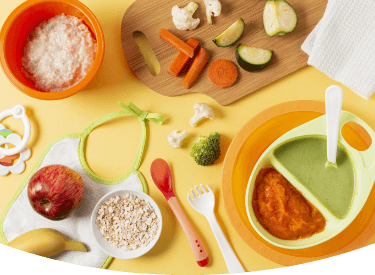
This is when a baby`s little fingers try to grasp even better. So, this is a great time to introduce foods such as soft bread slices, boiled egg pieces, boiled potato pieces. In order not to complain about its eating habits in the future, you should take precautions now. You can instill a healthy eating habit in your baby if you follow the items below and arrange baby meals accordingly.

  1. Introducing dessert: You can postpone jam, chocolate and sweet biscuits until after the age of 2. Giving sweet biscuits, cakes, and jams as a reward just for providing your baby to eat will make it a habit. This also applies to the foods you make at home. If you sweeten your food with sugar from the beginning, it will be difficult to limit it later.
  1. Remove white flour from meals: Actually, this is a food that you should avoid, not just your baby. In addition, due to the risk of gluten allergy, it is one of the things you should not give to your baby until it is at least 1-year-old. After the age of 1, you should definitely limit its use and choose whole wheat flour. Whole grains are always the healthiest.
  1. Keep salty foods away from your baby: Your baby doesn`t need anything other than the natural amount of salt in its food. Salt has no nutritional value and is known to cause fatigue in the kidneys.
  1. Offer diversity: Make changes while feeding your baby, of course, without going beyond the recommended forms of food. You can give your baby a wider taste by trying different types of cheese, vegetables, fruits and dishes.
  1. Set an example for it: Please don`t expect your baby to eat rye bread while you eat white bread yourself. First, restrict your life to things like pizza, biscuits, cake and crackers. Then your baby will keep up with you.
  1. Don`t feel guilty: Don`t feel guilty because other kids know these flavors while you are applying these. You are doing the right thing. Babies can`t want a taste they don`t know anyway. So it doesn`t know what it`s missing. It will already want these foods when it is old enough to learn. There is no need for it to impact its cells unnecessarily and to experience possible health issues due to weight problems, tooth decay, and malnutrition in the future.

Sleep

By these weeks, its night sleep is now quite regular. During this period, its night awakenings decreased. It may not even wake up if it does not have problems such as teething or gas.

But sometimes these weeks can start to be a problem in daytime sleep. It may want to interrupt its usual sleep pattern, once in the morning and once in the afternoon. If your baby also shows serious resistance to daytime naps, you can reduce the daytime sleep to 1. Of course, you have to observe this situation very carefully. If it refuses to sleep and becomes grumpy and unhappy during the day, it means it still needs that sleep.

Care Tips

  1. When you get to the point that clutter in your home is causing stress, remember this powerful phrase: Lower your standards. Organize your home in a way that makes your daily life easier. It also helps to talk about your frustrations with other parents. They can probably share helpful tips.
  1. Keep all dangerous things out of reach due to the baby`s increased mobility.
  1. Keep first aid handy for possible injuries due to increased mobility. Find out what to do in what situation.
  1. Avoid toys with small parts.
  1. Be sensitive to your baby`s feelings; its feelings/ideas are growing.
  1. Accept what it gives; it learns to share.
  1. Some parents worry when their baby walks early. Walking or standing early will not cause your baby`s legs to be crooked or any other physical problem.
  1. If the baby is 9 months old and still has no hair, don`t worry. It is normal and not permanent. This condition is more common in babies with light-colored hair.

Tests and Vaccines

If previous vaccinations and controls have been completed, there is no routine this week.

Plays and Activities

Stimulate its intelligence: you can get an activity kit that encourages sorting, stacking, rolling and sharing. Your baby can start playing with cubes this month. Again, you can buy suitable soft cubes for it. It can have a lot of fun by putting the cubes on top of each other and trying to stack them.

Enlighten baby about its surroundings: give it colorful blocks that can be put in and out of big boxes, safe objects of all kinds. While giving it all, give information about its objects, colors, functions, etc.

When to Apply to The Doctor?

Swollen, bright red tonsils with white patches are a common symptom of a throat infection. Other symptoms including sore throat that lasts for more than a few days are high fever, chills, and swollen or painful lymph nodes under your baby`s chin. Call your baby`s doctor if you think your baby has a sore throat, if you observe any of the symptoms described above, or if your baby has trouble in swallowing, breathing, or opening its mouth wide.

38-Week-Old Baby: Development Week by Week

Communicating with your baby is now more fun, but a little more tiring and hectic weeks are starting. Who does not want to chase after the most beautiful?

Baby Development

Its murmurs began to turn into speech, and it probably began to sound as more real words, phrases, and sentences. Your baby thinks it said something, so respond as if it really is!

Your baby understands more than your tone of voice, more than your words. It can understand also when it pleases you, so offer compliments like, "You did a great job lifting the rattles." The more you talk to your baby - while you’re making dinner, driving or getting dressed - the more it learns communication.

Now it understands the word "no", but it may not obey it yet. For example, it may try to touch something even after saying don`t touch it. It`s best to use the word "no" sparingly, and when you do, take it away from the ‘crime scene’ and introduce it to a new activity.

Milestones

  1. The baby will show more activity.
  1. May be afraid of height changes, such as putting it on the highchair or holding it on its shoulders. Because it falls during this process and tries to stand and walk. This will disappear when it learns to walk.
  1. Can follow some instructions and explain its needs in sign language.
  1. It will show memory growth by remembering certain things like where you keep the teether, etc.
  1. If you try to take something it loves, it will resist.
  1. Will show new patterns in eating habits. Playing with food and throwing it on the ground is the trend of this period.
  1. Develops the ability to connect and empathize with people and objects such as teether, toys, your hair. It does these for the purpose of feeling safe and relaxing.
  1. Shows sensitivity to emotions. For example, if you cry for any reason, it may cry with you.
  1. Sibling feelings may also be on the rise because now it is moving and entering your other child`s domain; conflicts may occur.
  1. May be seeking praise for something it has done.
  1. Will begin to share things such as food and toys.
  1. Shows more interest in things around it, such as toys, food, pets.

Nutrition

This is when a baby`s little fingers try to grasp even better. So, this is a great time to introduce foods such as soft bread slices, boiled egg pieces, boiled potato pieces. In order not to complain about its eating habits in the future, you should take precautions now. You can instill a healthy eating habit in your baby if you follow the items below and arrange baby meals accordingly.

  1. Introducing dessert: You can postpone jam, chocolate and sweet biscuits until after the age of 2. Giving sweet biscuits, cakes, and jams as a reward just for providing your baby to eat will make it a habit. This also applies to the foods you make at home. If you sweeten your food with sugar from the beginning, it will be difficult to limit it later.
  1. Remove white flour from meals: Actually, this is a food that you should avoid, not just your baby. In addition, due to the risk of gluten allergy, it is one of the things you should not give to your baby until it is at least 1-year-old. After the age of 1, you should definitely limit its use and choose whole wheat flour. Whole grains are always the healthiest.
  1. Keep salty foods away from your baby: Your baby doesn`t need anything other than the natural amount of salt in its food. Salt has no nutritional value and is known to cause fatigue in the kidneys.
  1. Offer diversity: Make changes while feeding your baby, of course, without going beyond the recommended forms of food. You can give your baby a wider taste by trying different types of cheese, vegetables, fruits and dishes.
  1. Set an example for it: Please don`t expect your baby to eat rye bread while you eat white bread yourself. First, restrict your life to things like pizza, biscuits, cake and crackers. Then your baby will keep up with you.
  1. Don`t feel guilty: Don`t feel guilty because other kids know these flavors while you are applying these. You are doing the right thing. Babies can`t want a taste they don`t know anyway. So it doesn`t know what it`s missing. It will already want these foods when it is old enough to learn. There is no need for it to impact its cells unnecessarily and to experience possible health issues due to weight problems, tooth decay, and malnutrition in the future.

Sleep

By these weeks, its night sleep is now quite regular. During this period, its night awakenings decreased. It may not even wake up if it does not have problems such as teething or gas.

But sometimes these weeks can start to be a problem in daytime sleep. It may want to interrupt its usual sleep pattern, once in the morning and once in the afternoon. If your baby also shows serious resistance to daytime naps, you can reduce the daytime sleep to 1. Of course, you have to observe this situation very carefully. If it refuses to sleep and becomes grumpy and unhappy during the day, it means it still needs that sleep.

Care Tips

  1. When you get to the point that clutter in your home is causing stress, remember this powerful phrase: Lower your standards. Organize your home in a way that makes your daily life easier. It also helps to talk about your frustrations with other parents. They can probably share helpful tips.
  1. Keep all dangerous things out of reach due to the baby`s increased mobility.
  1. Keep first aid handy for possible injuries due to increased mobility. Find out what to do in what situation.
  1. Avoid toys with small parts.
  1. Be sensitive to your baby`s feelings; its feelings/ideas are growing.
  1. Accept what it gives; it learns to share.
  1. Some parents worry when their baby walks early. Walking or standing early will not cause your baby`s legs to be crooked or any other physical problem.
  1. If the baby is 9 months old and still has no hair, don`t worry. It is normal and not permanent. This condition is more common in babies with light-colored hair.

Tests and Vaccines

If previous vaccinations and controls have been completed, there is no routine this week.

Plays and Activities

Stimulate its intelligence: you can get an activity kit that encourages sorting, stacking, rolling and sharing. Your baby can start playing with cubes this month. Again, you can buy suitable soft cubes for it. It can have a lot of fun by putting the cubes on top of each other and trying to stack them.

Enlighten baby about its surroundings: give it colorful blocks that can be put in and out of big boxes, safe objects of all kinds. While giving it all, give information about its objects, colors, functions, etc.

When to Apply to The Doctor?

Swollen, bright red tonsils with white patches are a common symptom of a throat infection. Other symptoms including sore throat that lasts for more than a few days are high fever, chills, and swollen or painful lymph nodes under your baby`s chin. Call your baby`s doctor if you think your baby has a sore throat, if you observe any of the symptoms described above, or if your baby has trouble in swallowing, breathing, or opening its mouth wide.