


Your baby is becoming a pro at picking up small objects, so make sure your baby can`t grab anything dangerous and watch out for unsafe finger foods. Also this week, get ideas to start family traditions and celebrate holidays with your baby, see what to do if your little one gets bitten by bugs.
Nutrition
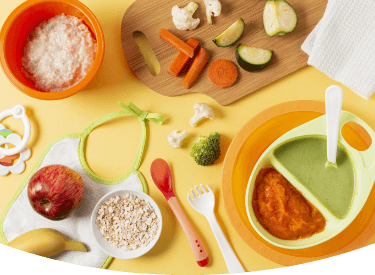
Your baby`s fingers are becoming more agile. A good rule of thumb is to avoid letting your baby have anything that doesn`t dissolve in water, like a raw carrot or a whole grape. Cooked vegetables, pieces of cheese, and peeled and cut fruit are great finger foods for your little one.
Now you can hand the fruits in a more rough way. This month, the baby may be accustomed to additional food and may not want breast milk or formula, or on the contrary, may be more fond of it. If you have started or are planning to start giving your baby food from the foods you have made for yourself, take care to make the meals without salt and spices.
Experts recommend that babies continue to breastfeed until they are 2 years old. You should continue to breastfeed or formula feed until at least 1 year of age. “How much formula should a 10-month-old baby eat?” The answer to the question should be 2 times a day and 180-240 ml.
During this period, you can switch to dinner as the 4th meal in addition to the morning, lunch and afternoon meals. In this case, you should arrange your diet as 3 main meals and 1 snack and ask, "How many hours should a 10-month-old baby be fed?" The answer to the question should be in the form of feeding every 3-3.5 hours.
Sleep
Baby’s sleep is regulated during these periods. Your little one sleeps in a routine at night and during the day. Expected; daytime naps twice a day and 10-12 hours of uninterrupted sleep at night. However, it is not possible not to wake up at night for your baby, who gains skills such as crawling and standing up.
Care Tips
- What did your family do on holidays, New Year`s Eve or other holidays when you were growing up? How did you celebrate your birthdays? Did you do anything special during the summers? Starting a family often causes couples to think about the rituals they grew up with and how they could create their own. Even if your baby doesn`t fully understand or appreciate them yet, repeating these rituals will contribute to safety, togetherness and family peace.
- Some parents may consider giving toilet training to the baby during this period, as the reason for this is that their mothers have accustomed them during these months. However, the reason of this was having problems as washing clothes previously. Until the 18th month, the muscle control required for the bladder and bowel of babies is not fully developed. With the 18th month, the baby begins to be ready for toilet training. For this reason, even if your mother gave you toilet training in the 10th month, you do not have to. We recommend waiting for your baby to be ready.
Tests and Vaccines
If you have completed previous vaccinations, tests and controls, there is no special health routine for this week.
When to Apply to The Doctor?
Your baby may face insect bites on vacation, in the garden, in the park or even at home. Most stings are annoying, but not life-threatening. If your baby is stung, follow these steps:
- Remove the sting by scraping, not pulling.
- Wash the area with soap and water.
- Relieve pain by applying an ice pack to the area for 15 minutes, or try calamine lotion or a paste made from baking soda and water. Consult your baby`s doctor before giving pain medications to your baby.
- If your baby has diarrhea, has a fever, vomits, or if the swelling increases after 24 hours, be sure to consult a doctor. You should also go to the doctor if you see signs of infection, such as increased redness, pain or swelling in the area around the bite.
Anaphylactic shock as a result of a sting is extremely rare; only occurs if your baby has allergies. If your baby is allergic, it may have trouble in breathing or start wheezing. It may vomit, have abdominal cramps or a flushed face, feel light-headed, develop redness or swelling (see tongue, hands, and face). Your baby may also be in shock if it seems confused or sleepy. If your baby has an allergic reaction, call the emergency room, put it to bed, calm it down, and cover it with a blanket.
You can use safe insect repellent to prevent bites, and dress your baby in long sleeves, pants, and socks when going outside (white or light-colored clothing is less attractive to insects and also makes it easier to spot insects). Avoid using scented products such as creams and lotions.