


Being pregnant is an exciting, frightening and humbling experience. An adventure into the unknown and unexpected. Each week you will learn more about the world around you and your own body. We are here to help reduce those fears and support you on this joyful journey by providing as much information as possible each week. In this study, we will share everything you need to know about the 2nd week of pregnancy. Let`s start with the changes the baby goes through at week 2.
Baby Growth
Welcome to the beginning of the journey. That`s right, you`re about to embark on the most exciting journey any human has ever had, and it will be filled with excitement, chills, tears and laughter. Soon each moment will be the most memorable for you, but the next moment will surprise you by surpassing the last.
The second week of pregnancy is when you may be about to release an egg that can eventually be fertilized by a sperm. This means you are not pregnant yet. surprised? Let`s understand this more clearly.
Your due date is calculated from the first day of your last menstrual period. So, in week two, you`re at the stage when you`re most likely to get pregnant if you`re trying for a baby. At the 2nd week mark, your egg has been removed from the ovary and is ready to be fertilized. Your uterus has thickened to accept the fertilized egg.
It is difficult to predict the exact day for ovulation, and it can happen any day after your period ends. The egg is fertilized 24 hours after it is released by one of the sperm that manages to swim up the fallopian tube. Of the millions of sperm released during ejaculation, only a few hundred sperm manage to reach the fallopian tube. About 10-30 hours after fertilization, the egg from the fusion of the nucleus of the sperm and the zygote decides whether it will be a boy or a girl.
In the next 3-4 days, the zygote divides into 16 cells and when it reaches the uterus it is called a morula. The morula, a small ball of cells, enters the endometrium and initiates the process of division into embryo and placenta.
It`s been 2 weeks since your period ended, and for some, the excitement is about to begin. If you haven`t tried to get pregnant, you may miss even recognizing early pregnancy symptoms and dismiss them as PMS (a collection of physical and emotional symptoms related to the menstrual cycle) or late period.
Baby Size
Most women do not realize at week 2 that the egg has not yet been fertilized. At best, you`re ovulating. We say best because you should ovulate on day 15 of your period, but only if you`re one of the lucky few with a 28-day cycle. If not, you`re probably a few days behind on ovulation. Many women are misinformed about what it means to be 2 weeks pregnant. Baby`s size, health and development are still 2 to 3 weeks away.
As pregnancy progresses, your body will also go through some changes. Let`s find out what these changes will be.
Common Body Changes
There are many different ways your body changes during pregnancy. Some changes such as larger breasts are universal while other body changes such as the change in hair texture during pregnancy are different for every woman.
The start of the second week is when your body produces Follicle Simulating Hormone, a hormone that helps the dominant follicle mature and rupture. A ruptured follicle is called the corpus luteum and produces progesterone and estrogen. These are also called pregnancy hormones that are not only responsible for maintaining the pregnancy but are also the cause of the symptoms you may be starting to experience.
At two-week pregnancy, you will experience exactly similar symptoms to those you have during your menstrual period when there is no true fertilization. This will include some chest pain, mild pelvic pain, and even an increased sex drive.
Pregnancy Symptoms
You should ideally ovulate at the 2-week mark of your menstrual cycle. If you want to get pregnant and want to know the signs of when you can get pregnant, then you have come to the right place.
- White cervical mucus: The mucus lining of your cervix changes to allow sperm to move better. This is the reason for the whitish discharge coming from your vagina at this time.
- Increased sense of smell: Like most other pregnancy symptoms, this is estrogen-induced and is often what triggers morning sickness.
- Spotting: When the follicle around the egg is torn, you may see a slight spotting. However, if the bleeding is heavier, it may be indicative of a more serious condition. Consult a doctor if you are concerned about any of these symptoms.
- BBT: The first two weeks of pregnancy are also called the follicular phase. If you are tracking your basal body temperature (BBT), you will notice that it is low during this phase and will begin to rise as you enter the luteal (the phase of the menstrual cycle that begins after ovulation).
These symptoms will give you a good idea of when you are ovulating. If it`s not a 28-day cycle, you can also use a diary to track your period. There are also ovulation kits and fertility monitors in the market to determine the ideal time for you to get pregnant. When you become pregnant, you should watch out for pregnancy symptoms and talk to your doctor right away.
Abdomen
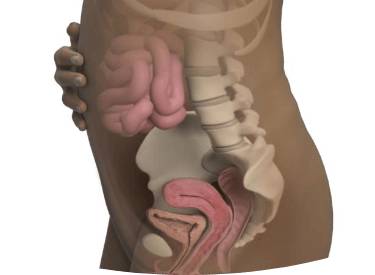
The fertilized egg has not yet attached itself to your uterine wall. In this case, you will not see any changes in your abdomen. Some women complain of pelvic pain during ovulation and this is probably the most you will feel during this time.
Ultrasound
Pregnancy tests can only be reliable when you are 4 weeks pregnant. This is why ultrasound is not done in the two-week period. If you see your genitals during this time, you`ll see a small egg making its way down the fallopian tube to be fertilized by sperm. However, the egg is smaller than a grain of salt and you will likely not see anything. In the best case, the doctor can see if there is any thickening of the uterine wall.
Diet
Eating a healthy diet always goes a long way in ensuring your body is healthy enough for optimal bodily function, including getting pregnant. However, apart from a regular balanced diet, you don`t need any special nutrition when it comes to week 2 pregnancy food.
Making healthy food choices early in pregnancy goes a long way in ensuring your baby is developing well and your body is able to meet the demands of birth. If you`re keen to conceive, try adding fertility-boosting foods like green leafy vegetables, figs, salmon, sweet potatoes, and fruits to your list. Try to reduce your caffeine intake, which is believed to lower the chances of conceiving. It`s a good idea to choose foods high in folic acid, such as spinach, and talk to your doctor about folic acid supplementation as well. This will reduce the likelihood of birth defects, including neural tube defects (birth defects of the spinal cord).
Tips and Care
Taking care of yourself during this fun-filled, exciting period can be difficult and confusing due to the sheer amount of research material on the internet. Be sure to talk to your doctor before performing any care. Here are a few things to keep in mind during week 2 of your pregnancy.
- Track your menstrual cycle.
- Use ovulation kit.
- Have sex every day.
- Opt for pre-pregnancy genetic testing, which helps determine if you have a baby with a genetic disorder such as Huntington`s disease, Sickle Cell Anemia and others.
Don’ts
- Don`t get excited and resort to pregnancy tests just because you might get a false negative at such an early stage. It is best to wait another week.
- Do not take any medication other than prenatal vitamins unless prescribed by your doctor.
- Do not listen to the advice of anyone but your doctor.
Shopping
At this stage, the only thing you may need to shop for is a pregnancy kit that you can use next week.
Pregnancy is a turbulent but joyful and exciting journey. A good doctor is a great confidant who can eliminate all your fears. Consult the doctor when you need it, get fast dial and contact it to clarify your doubts. We wish you all the best for a life-affirming adventure ahead of you!