


At 20-week pregnancy, you are halfway through your pregnancy and five-months. Your baby is big enough to move or push your belly and your belly is now a lump. Your uterus has enough room to allow your baby to move and dance around. Want to learn more about how your baby is developing in week 20 of your pregnancy? Continue reading!
Baby Growth
If it`s a girl in your womb, at 20 weeks her womb will be fully formed and millions of eggs will be in production. If it is a male, his testicles will begin to descend from his abdomen and the process will be over in a few weeks. Your baby may have started to swallow more, allowing the digestive system to get some much-needed experience. This is when babies begin to produce stool, a black sticky substance known as meconium, which will collect in their intestines. At this point, milk teeth are present and permanent teeth are starting to form. As the baby is constantly suspended in amniotic fluid, it tends to be covered in an oily substance called vernix, which protects its skin from cracking.
Baby Size
At the 20th week of pregnancy, the baby will be 25.6 cm from top to bottom and weigh about 300 grams. Up to this point, fetuses are measured from head to toe as their legs are tightly wrapped around their upper bodies. But by week 20 it becomes easier to find the size from head to toe.
Common Body Changes
You may experience the following bodily changes in the 20th week of your pregnancy. Some of these changes may be very disturbing for you.
- You may experience edema: Edema is common during pregnancy. During pregnancy, your feet may swell due to water retention.
- You may snore: The increase in estrogen can cause the inner lining of the nose to swell, which can cause snoring.
- Your pregnancy bump (growing belly) is noticeable: At 20 weeks, your pregnancy lump is noticeable. Your growing baby will make its presence felt.
- Your hair and nails grow rapidly: The hormones circulating in your veins also support the growth of hair and nails. So expect your nails and hair to grow faster.
- Wait for vaginal secretions: Your vagina will start to produce more discharge as a way to protect the public area against harmful bacteria, so be prepared to deal with it.
- Uterine enlargement: Although the growth is irregular until this week, at 20 weeks of pregnancy, the size of the uterus has now reached the level of the belly button. The uterus grows more regularly from the 20th week. After the 20th week of pregnancy, the uterus should enlarge by 1 cm every week. For example, if the size of the uterus is 20 cm in the 20th week, it should be 24 cm in the next examination (4 weeks later). If this week`s uterus is 28 cm in size, it may be necessary to determine whether she is having a twin pregnancy or if the birth date has been calculated correctly. If the size of the uterus is 15-16 cm, it may be necessary to undergo a good ultrasound control. There may be possibilities such as intrauterine retardation, other problems or an error in pregnancy calculation.
Pregnancy Symptoms
Reaching this point in pregnancy is a great achievement apart from some problems that may come with it. In addition to the changes taking place in your body, there are a few other symptoms you will experience:
- Excess energy: The hormones in your body will support your energy levels and sex drive.
- Difficulty in breathing: As the fetus grows, the uterus puts pressure on the lungs, forcing you to make more effort to breathe.
- Indigestion and heartburn: These problems occur when the fetus pushes through the digestive system and makes it difficult for you to get a good night`s sleep.
While mild to moderate headaches are compatible with hormone fluctuations during pregnancy, it is recommended that you call your doctor as soon as possible if you experience severe headaches, abdominal pain, nausea, vision problems, or swelling in the extremities, as this may indicate preeclampsia or high blood pressure during pregnancy.
Abdomen
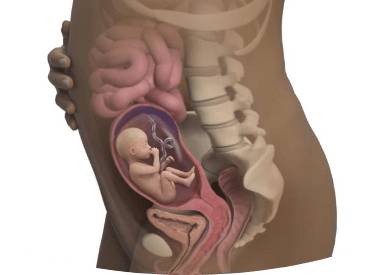
At the 20th week, your uterus is parallel to your navel and is approximately 18-24 cm in diameter. It will keep pushing out about 1-2 cm every week. Because this puts stress on the joints and ligaments, the doctor may prescribe you a hormone called a relaxant that relieves this stress. If you experience pain in the pelvic or groin area, let your doctor know as it could be a sign of bigger problems.
It is possible that you will gain almost 2 kilos in total at the end of the month by having half a kilo a week this month. By the end of the 20th week, you may have gained around 4.5 kilos in total. If you are wondering how much weight you should gain in which trimester, we can give you a rough table.
1st trimester (0-3 months): 1 to 3 kilos, 2nd trimester (3-6 months): 4 to 5 kilos, 3rd trimester (6-9 months): 5 to 6 kilos
If you gain weight regularly and slowly, you will be less exposed to the pain and complications that occur during pregnancy. Your total weight gain during pregnancy can range from 11 to 14 kilograms. But as your weight increases, your pain and cracks may increase and you may feel more distressed.
Ultrasound
This is the right time to have your detailed ultrasound scan. The level of detail you`ll see in this scan is incredible, it includes the heart, brain, lungs and kidneys. You will also be able to see your baby`s fingers, toes, nails, hair, ears, eyes and nose. This week the ultrasound will also be able to locate the placenta to check if it is blocking the cervix. If so, there is no cause for concern as uterine enlargement usually tends to pull the placenta towards itself.
If you haven`t found out yet, you can find out the baby`s gender on this week`s ultrasound. Gender is determined by the appearance of the external genitalia. However, even if the reproductive organs are developed in a way that clearly shows the gender, gender misconceptions may occur at the 20. week due to the baby`s position or the model of the ultrasound device.
But if it is a girl, this week her uterus is completely formed and the vaginal canal begins to develop. The boy, on the other hand, has his testicles descending from the abdomen and will fall into the scrotum in a few months.
What to Eat?
While your uterus, placenta, and fetus are growing rapidly, iron is one of your body`s essential needs. Iron is essential for blood building, so consuming enough is essential. The best sources are red and white meats, but for vegetarians, options such as beans, peas and spinach will suffice.
Make sure you consume enough calcium as well, as your baby`s bones will become stronger and thicker. Dairy products such as milk, cheese, yogurt, and vegetables such as green leafy vegetables, spinach and beans are rich in calcium. Include them in your diet after consulting with your gynecologist and nutritionist.
If necessary, you can ask your doctor to prescribe a vitamin or mineral tablet to supplement your diet. To avoid indigestion and heartburn, try eating smaller meals a day instead of several large ones.
Care Tips
Here are a few things to do and a few things to avoid in week 20 of your pregnancy:
- Ensure that your already swollen feet do not suffer by wearing comfortable flat-soled shoes. Avoid high heels or very tight shoes.
- Visit a physiotherapist often. It can suggest exercises and help you manage the severe back, rib or pelvic pain that comes with pregnancy.
Don’ts
- Under no circumstances should you lift heavy weights, but if you must, bend your knees.
- Do not stand on one foot more than the other. Use your abs to support your back and stay upright.
- Try not to sit without supporting your back with a pillow.
Shopping
At this point, it`s time to buy baby carriers to carry your baby. It`s also a good idea to start looking for stylish maternity dresses to suit your changing body. You can enroll in prenatal courses right now to help you learn how to care for your baby. Or you can get maintenance books for it.
With the right precautions and preparations, pregnancy can enable you to enjoy the upcoming birth of the baby. It helps you feel its happiness and excitement rather than the pain and problems that come with it.