


With the development of technology, it is now possible to follow your baby`s journey in the womb and learn about the developments in every stage of pregnancy. A normal pregnancy lasts about 40 weeks and is divided into three trimesters. The 23rd week of pregnancy is in the second trimester and is a very important period for both mother and baby. At week 23, you`re halfway through the pregnancy journey. At this stage of pregnancy, the body undergoes significant physical and hormonal changes as the fetus grows and develops critical organs. As the baby grows, the tummy becomes prominent and this is the period when you can easily feel your baby moving inside.
Baby Growth
Week 23 is when your baby starts to gain significant weight. Your baby is getting chubby, but its skin is still wrinkled. This is because its skin develops faster than its fat and it doesn`t have enough oil to fill its skin and keep it taut. But the fats come in behind. During this week, the blood vessels in the lungs are developing to aid breathing, and over the next few weeks billions of brain cells will develop. It does breathing movements, but these are just test moves. It still receives oxygen through the placenta as there is no air in the lungs until after birth.
The sense of movement is well developed and the baby can feel that you are moving.
Baby Size
At this stage, your baby is approximately 28.9 cm long and weighs 500 g. At 23-week pregnancy, the baby looks like a mango size to you. The baby is growing very fast at this stage and will double in weight in the next four weeks.
Common Body Changes
A pregnant woman undergoes several noticeable body changes during pregnancy. These changes become more apparent as the deadline approaches. During week 23 of pregnancy, you may feel clumsy as your belly grows and your center of gravity shifts. Your belly button may pop out. You may have a light-smelling, clear or yellowish vaginal discharge. You will feel swelling and pain in your knees due to the increase in your baby`s weight. The soles of the feet and palms may be red. The body is prone to rashes and skin spots.
At this stage, stretch marks become more noticeable and you may notice a dark line in the middle of your abdomen called the linea nigra. Some women may notice facial discoloration, particularly around the nose, cheeks, eyes, and forehead.
Pregnancy Signs
The symptoms of pregnancy in the second trimester are different from those in the first trimester. While the first trimester is marked by nausea and fatigue, the following symptoms occur in the second trimester:
- Swollen ankles and feet: Swollen ankles and feet are the result of an increase in body weight. This can be accomplished by elevating your feet as high as possible, walking regularly, and drinking plenty of water. A doctor should be consulted immediately in case of excessive, sudden swelling as it may be a sign of preeclampsia. This risky pregnancy complication is characterized by elevated blood pressure.
- Backaches: Backaches are common for 23 weeks pregnant women because the growing baby puts pressure on the spine and back muscles. Regular exercise can provide relief from pain.
- Braxton Hicks contractions: Braxton Hicks contractions are contractions that occur before real labor and are usually experienced in the third trimester. During contractions, the uterine muscles stretch for about 30 to 60 seconds and can last up to two minutes. Change positions frequently and drink plenty of water to stay comfortable.
- Bleeding and swollen gums: It is known that pregnancy hormones increase blood flow and cause swelling and bleeding of the gums. If your gums are more sensitive than normal, you can use a soft-bristled toothbrush.
- Frequent urination: Frequent urination, which is one of the very common and first signs of pregnancy, will keep you busy this week.
- Snoring and nasal congestion: This is mainly caused by elevated estrogen levels, which causes your nasal blood vessels to swell.
- Pay attention to blood pressure: Throughout the pregnancy, or at least up to the 24th week, the blood pressure progresses at lower levels compared to the pre-pregnancy period. However, pregnancy-related high blood pressure (hypertension) can also occur in some pregnant women. Pregnancy can be diagnosed and treated early, as it is a period during which we are regularly checked by a doctor. Thus, unnecessary complications are prevented. Pregnancy-induced hypertension may be among the symptoms of preeclampsia (pregnancy poisoning). Other symptoms of preeclampsia are:
- Sudden weight gain, apparently not due to overeating,
- Severe swelling of the hands and face,
- Unexplained headaches,
- Pain in the stomach and esophagus,
- Itching all over the body,
- Visual impairment
- Protein in the urine,
- Fast heartbeat,
- Pain in the upper part of the abdomen.
Abdomen
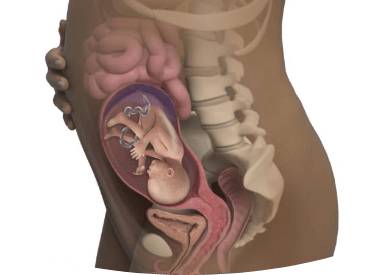
At week 23, the navel will protrude about 21 to 25 centimeters, measured from the pubic bone to the top of the uterus, making the baby bump prominent. Gestational weight may have increased between 5.5 and 6.8 kg during this period. Ending the pregnancy with an average weight gain of 11-14 kg is considered healthy by experts.
Ultrasound and Tests
An ultrasound at week 23 will reveal how well your baby is currently developing. By week 23, the fetus`s face is completely formed and tiny nipples form on the baby`s chest. Baby can now listen to your heartbeat and sound like car horn and barking dogs.
Diabetes Screening Test
It is common for a pregnant woman who does not have diabetes to have sugar in her urine. It is especially common in the 2nd and 3rd trimesters. Many doctors do the diabetes screening test, usually at the end of the second trimester. But there is no rule that it should be done at the 23rd week, it can be done at the end of the 2nd trimester at a time that the doctor deems appropriate.
- Blood tests to diagnose diabetes; They are fasting blood glucose and glucose tolerance tests.
- For fasting blood sugar test, a meal is eaten the evening before the test, and a blood test is done in the morning before eating anything.
- A normal test result indicates diabetes is unlikely, further investigation is required if a high level of sugar is found in the blood.
- Then glucose tolerance test (sugar loading) is done. It is necessary to fast after the evening meal before the test. In the morning in the laboratory, you are asked to drink a liquid with a measured amount of sugar. After drinking, blood is drawn at regular intervals, which shows how the body responds to sugar.
Risk of Premature Birth: Now There is a Test!
At the 23rd week of pregnancy and other weeks that are considered early, a test is done to see if there is any risk. In some cases; uterine contractions, back pain, cramps, changes in vaginal discharge can be mistaken with premature birth. Inguinal pain is a very common condition, especially at 23 weeks of pregnancy. Doctors need to do this test to determine if there is a risk for preterm birth.
Fetal fibronectin is a protein found in the amniotic sac and fetal membranes. However, it is not normal to find it from the 22nd week of pregnancy to the 38th week of pregnancy. The presence of fetal fibronectin in the vaginal secretions of a pregnant woman during these times indicates an increased risk of preterm delivery.
What to Eat?
The baby is gaining weight rapidly and critical organs are forming. It is vital for the mother to ensure that the baby gets enough nutrients from herself. Food intake should be high in essential nutrients such as vitamins, proteins, calcium and iron. Unhealthy foods that contain excess fat, saturated fat, sugar or salt should be avoided. Dairy products, nuts and seeds, fish, foodstuffs like figs or apricots, leafy greens like spinach and grains should form part of your 23-week pregnancy menu. They provide iron, calcium and other essential supplements needed to maintain your health.
Consuming too much sodium can cause your body to retain water. This causes you to feel bloated. You should try to avoid foods that contain lots of sodium or salt. Pickles, salty nuts, processed or canned foods… You can read food labels to keep this under control. You should increase your water consumption and limit your sodium consumption to 3 grams (3000 mg) per day.
Tips and Care
Halfway through pregnancy, you can be both excited and anxious. However, physical changes along with anxiety can cause stress. In such a situation, you need to stay calm and take care of yourself. Activities that will help reduce stress, such as exercise, yoga, or meditation, may be in your plan. A list of do`s and don`ts to help you:
- Eat healthy and drink plenty of fluids to stay hydrated.
- Exercise daily; do yoga or meditation.
- When traveling by car, be sure to fit the seat belt correctly.
- Make sure you don`t miss your regular health checkup.
- Get plenty of sleep.
Don’ts
- Avoid moving too much.
- Avoid or overeat foods that leave you dehydrated, such as fried foods, white asparagus, coffee, and sugary drinks.
- Avoid foods that are prohibited during pregnancy, such as raw meat, delicatessen meat, fish with high mercury content (mackerel, swordfish, etc.), raw eggs, unpasteurized milk, steak tartar a la turca with meat.
- Avoid activities that can increase stress and tire you.
Shopping
During the second trimester, your belly is growing and life is going through important changes. Here is the list of products you need to shop.
- Maternity wear: Your enlarged belly requires a wardrobe update. As your weight increases and your body expands, you will need to buy clothes that will help you stay comfortable.
- Sleep aids: Getting enough sleep is very important at this stage. Sleep aids such as comfortable pillows, earplugs, and eye masks can come in handy.
- Pregnancy books: Prepare yourself for all your processes by reading books about pregnancy and child care.
You can also start preparing for the arrival of the baby by shopping for newborn clothes, changing table, crib, baby bed, baby room accessories and baby travel-carrying products.
Remember that early preparation and proper care are the keys to a stress-free pregnancy.