


An important milestone, the 26th week of pregnancy, is marked by several important changes in the baby`s development. Read on to learn more about what to expect at this stage of pregnancy.
Baby Growth
By the 26th week, your baby will have the following developments:
- Development of the immune system: By this time, the baby`s immune system has developed.
- Development of sense organs: During this time, the baby`s eyes and ears have developed, and it can hear you and your partner.
- Growing brain activity: At 26 weeks, the baby will begin to respond to outside sounds, resulting in an increase in activity level. It can even respond to sudden sounds with a kick.
Baby Size
At 26 weeks of gestation, the baby measures approximately 35.6 cm and weighs approximately 760 grams.
Common Body Changes
As your pregnancy progresses, changes in your body continue – some obvious, others more subtle.
- The uterus will have grown more than 5 cm above your belly button.
- Some women may experience pain under the ribs as the baby begins to kick and stretch in the womb. Changing your position while sitting, standing, or lying down can help you get some relief from this pain. You may also experience back pain due to weight gain.
- You should also avoid weighing yourself frequently, as body weight will continue to fluctuate due to water retention/edema.
- If you followed a nutritious and balanced eating plan, your 26-week gestational weight should have increased by 7.2 to 9.9 kg. Remember, if you are a pregnant woman with a normal weight, it is ideal to finish the pregnancy in the range of 11-14 kilos in total.
- As your uterus, placenta and baby grow, your weight increases. Problems such as back pain, pressure in the pelvis, varicose veins, leg cramps and headaches may occur more frequently.
- Lying on your left side while resting provides the best circulation for your baby. If you lie on your left side and rest during the day, you will not experience swelling problems too much.
Pregnancy Symptoms
The 26th week of pregnancy can be an uncomfortable time as the baby starts to grow and your body starts making changes for birth.
- Difficulty in sleeping: As you get closer to birth, resting may become more difficult. You should watch your caffeine intake, drink enough fluids, exercise or take walks at night to help your body rest.
- Swelling: You will be slightly bloated during this time. Slight swelling at this point is normal, but you should be wary of sudden weight changes. The cause may be a condition called preeclampsia, which is marked by an increase in blood pressure.
- Headache: You may experience headaches due to hormonal fluctuations or stress. However, there can be other causes of headaches, such as hunger or dehydration, so it`s important to take care of your baby and yourself by eating short meals and drinking fluids. Headaches can also be due to preeclampsia.
- Forgetfulness or problems for remembering: This is an extremely difficult time for women due to all the hormonal and rapid changes. The burst of hormones can cause forgetfulness and you may have trouble in remembering things.
- Braxton Hicks contractions: These contractions are more common at week 26, especially if you are expecting twins. As long as they`re not constant or severe, you don`t have to worry. If your contractions have become painful and uninterrupted, you should consult a doctor immediately.
- Low blood pressure: Blood pressure will be low in the second trimester. But if your doctor observes too much fluctuation, then you may be kept under surveillance. The cause may be hypertension, which may be a sign of preeclampsia or HELLP syndrome. Both of these are complications that require immediate treatment.
- Round ligament pain: This is a stabbing pain felt in the groin or lower abdomen.
- Difficulty in breathing: This occurs because the growing baby takes up more space and pushes on your diaphragm.
- Symphysis pubis dysfunction: This occurs when hormones loosen the ligaments holding the pelvic bones too soon.
- Leg cramps: Cramps caused by weight gain and the baby`s pressure on blood vessels are a more common symptom at this stage.
- Pain in the jaw, knee and other joints: As the body prepares for birth, the joints loosen, causing aches and pains.
- Swelling or edema: This occurs in different body parts due to water retention.
- Gas formation, bloating and constipation: Like your lungs, your digestive system is congested and this causes problems such as gas.
- Acidity and heartburn due to indigestion: Heartburn occurs when stomach acids come into the esophagus due to loosening of the valves.
- Itching: As the belly grows, the skin on it is stretched, causing itching and drying of the skin, especially around the belly, thighs and chest.
- Stretch marks: These scars caused by the growing baby can be reduced by applying moisturizing lotions.
- Insomnia and restlessness: Your weight gain and the size of your belly can make it difficult to find a comfortable position to sleep in.
Abdomen
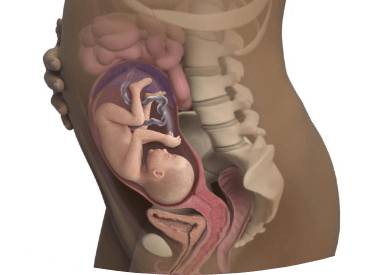
By the 3rd trimester, the top of your uterus will be approximately 5 cm above your belly button. The belly will continue to grow about 3.5 cm per week for the remainder of your pregnancy.
Ultrasound and Tests
Small changes that occur in the baby during this time are very important for it to develop its reflexes. The survival rate of babies born prematurely at 26 weeks is 50%.
In addition, glucose screening, blood tests and antibody screening will be done to rule out the possibility of gestational diabetes and to check the Rh factor. If the result of the glucose screening is positive, a glucose tolerance test is done to confirm gestational diabetes.
What to Eat?
Some suggestions for 26-week pregnancy foods:
- Eggs and lean meats: These are a good source of choline for baby`s brain development.
- Lettuce: Lettuce consumption helps to provide a rich source of B vitamins, folate, potassium and calcium.
- Fruits and vegetables: Eating fresh fruits, vegetables and high-fiber foods that are high in B vitamins and fiber is a great choice.
- Water: Drinking lots of water helps maintain blood circulation and also relieves stubborn pregnancy symptoms such as constipation.
- Fruit juices: It is good to have a glass of fresh orange juice for breakfast every day as it is an excellent source of vitamin C.
- Green leafy vegetables: Contain green leafy vegetables rich in lutein, a natural carotenoid that supports eye development in the diet.
- Fish: Eating fish is healthy, especially when you are pregnant, it is much more beneficial. Women who eat fish while pregnant have a healthier pregnancy period. They give birth to heavier and healthier babies. Because the longer the baby stays in the womb, the more likely it will be strong at birth. Recent research has shown that women who consume fish during pregnancy may have fewer problems with preterm delivery. This effect may be due to Omega-3 fatty acids. Omega-3 fatty acids can also prevent pregnancy-related hypertension problems. Most fish are low in fat while they are high in B vitamins, iron, zinc, selenium and copper. Anchovy, mackerel, tabby, salmon, sardines are fish that contain plenty of Omega-3. Be sure to include the fish in your nutrition program in the amounts recommended by your doctor. If you can`t eat fish, you can supplement with Omega-3 by consuming flaxseed oil, soybeans, walnuts and wheat germ.
Remember that eating small but frequent meals helps combat heartburn while keeping blood pressure under control.
Tips and Care
Here are a few tips to help you benefit the most from this period.
- It is important that you continue to exercise.
- Since weight gain will cause stress in your body, you should increase your potassium intake. Potassium helps with muscle cramps, especially at night.
- It is recommended to attend a prenatal course by the 26th week.
- Your baby will rely on your body`s iron content, so it`s important to consume iron-rich foods. Don`t let your little one lose its trust!
- Try to get plenty of sleep.
- Have sex during pregnancy if it helps you feel better and if you don`t have risk factors.
- Be knowledgeable about the pregnancy and birth experience. You can be more comfortable when you understand what can happen during pregnancy.
- It is very important to communicate with your doctor, if any, with your nutritionist or obstetrician/psychologist. Keep strong ties with them. Become a good client by following their advice, paying attention to your weight, eating healthy, taking prenatal vitamins, and following up on tests and appointments.
- It is comforting to get help on issues such as birth styles, birth schools, pain relief methods, baby feeding, and the level of participation of spouses in childbirth.
- It can be very helpful if you attend a birth preparation course that includes most of these items in your education programs. You can also hire a doula to get professional support during childbirth.
- Choosing a hospital: Maybe your doctor already works in a hospital and you will give birth in the hospital where he/she works, maybe you will make a choice among several different hospitals where your doctor works and the delivery will be there. There are probably a few hospitals that lie in your heart from the birth visits you`ve been to, the experiences you`ve heard from your friends. Of course, you should consider requests and objective facts (such as location, material conditions) and make a joint decision with your spouse. You can get ideas from the people who gave birth around you, you can take a stroll in the maternity services of the hospitals in the vicinity on a weekend, and you can consult your doctor. If you have private health insurance, you should find out which hospitals it covers and how much it covers. You should research which hospital offers what kind of opportunities to obstetrics patients, what kind of costs it has. In short, if you still do not know the hospital where you will give birth, you should roll up your sleeves to choose.
Don’ts
- Make sure you still stay away from alcohol and cigarettes. If possible, don`t be a passive smoker.
- Do not consume raw, uncooked meat and delicatessen meat. These can cause listeriotic, toxoplasmosis, and food poisoning.
- Do not consume unpasteurized dairy products as they can cause illness and miscarriage.
- Warning signs: You should always consult your doctor if the following symptoms occur during your pregnancy.
- Severe chest pain
- Decreased fetal movements
- Severe difficulty in walking.
Shopping
If you haven`t started shopping yet, you can now start shopping for baby clothes, basic care products and set up the nursery. Since these are the only days of your pregnancy, you should include your partner in the planning and in your entire process; including shopping!
The 26th week of pregnancy is a period in which very important developments are experienced. It is important that you stay informed and confidently proceed on the remainder of the journey. It`s almost time for you to inhale the scent of the flower blooming in your stomach!