

Get our app

Download on the App Store

28 Weeks Pregnant: Baby Development and Symptoms

You are now entering the third and final trimester of your pregnancy, which will last until week 40, when you are most likely to give birth. Isn`t that a wonderful feeling? The third trimester typically lasts from the 7th to the 9th month of pregnancy, but the labor pains are most likely to start a few weeks before the due date. During this critical trimester, it is recommended to visit your doctor every 2 weeks.

Baby Growth

At 28 weeks, your baby can blink and its eyesight is developing quite a bit. So it can see the faint light entering your womb. Its tiny brain also develops billions of neurons and can perform tasks such as blinking, dreaming, and controlling its body temperature.

The biggest transformation in the third trimester is the development of your baby`s bones from cartilage. Make sure you eat calcium-rich foods, as your baby needs plenty of calcium for bone development.

Your baby will develop all five senses in the third trimester. These are other sensory signals, such as the development of tactile receptors (around 29 or 30 weeks), light perception, tasting what you eat, and listening to sounds. It now sleeps and wakes up regularly. But the sleep pattern is not like a newborn baby. Sleeps for 20-30 minutes each time.

28-week baby movements are felt more when sitting or lying down. After this week, it may be wise to check the fetal movements twice a day, once in the morning and once in the evening.

So, how does a 28-week-old baby stay in the womb? It is very common to ask about the baby`s position during these periods. At 28-week pregnancy, it is impossible to predict the baby`s position by touching the belly. The baby changes position during pregnancy. Its head is more likely to be down in the last trimester, but the doctor will give the most accurate information during the ultrasound.

Baby Size

At 28-week pregnancy, the baby will be the size of a large eggplant and will weigh around 1005 g. The baby is now about 37.6 cm long.

The third trimester is also the fastest growing period for babies. Your baby`s weight will increase with height.

Common Body Changes

Common body changes that occur during this pregnancy can include:

  1. Stretch marks: These are small tear marks that appear on your belly, caused by stretching of the skin in the last stage of your pregnancy. This can also be genetic, so if your mother had stretch marks during her pregnancy, you will likely have stretch marks too.
  1. Insomnia at night: This is especially common in the last trimester and is caused by your baby kicking, an enlarged tummy, frequent urination and some aches.
  1. Swelling of your feet: Also known as edema, this is caused by water retention as well as an increase in weight.
  1. The uterus is about 8 cm above the belly button. Measured from the pubic symphysis, it is approximately 28 cm from the apex of the uterus.

Other common body changes in the last trimester are leaking of the breasts and swelling of the veins in your lower body.

Pregnancy Symptoms

Other than body changes, you may experience a few mild or severe symptoms during the third trimester:

  1. Abdominal pain: As your baby is growing rapidly, you may feel cramps or sharp pains in your lower abdomen.
  1. Fatigue: During the third trimester, your pregnancy demands a lot from your body, which causes fatigue. To avoid extreme fatigue, you need to eat well and get your sleep.
  1. Back pain: The growing abdomen puts too much pressure on your spine, causing back pain. It is very important to keep both feet elevated to reduce pain in your back.
  1. Restless legs syndrome: Some pregnant women may experience a chilling sensation in their lower limbs, which may cause an urge to keep moving your legs even when you are sleeping or resting. Stretching or massaging your legs can help relieve restless legs syndrome, or consult your doctor for iron supplements.
  1. Preeclampsia: This occurs in women with high blood pressure after 20 weeks of pregnancy. Common symptoms of preeclampsia include significant facial swelling or bloating around your eyes, rapid weight gain, persistent headaches, nausea or vomiting. Severe preeclampsia can lead to life-threatening problems; therefore, it is best to consult your doctor if you have any of these symptoms.
  1. Leaky breasts: Your body is currently preparing food for your baby; however, you may have to deal with some milk leaking from your breasts.
  1. Shortness of breath: As your baby continues to grow and your belly expands, it puts tremendous strain on your lungs. This can sometimes cause difficulty in breathing.

Other common symptoms you may experience include dizziness, bloating or gas problems, nasal congestion and bleeding gums.

Abdomen
awsUrlImagetracker/gobek28.jpg

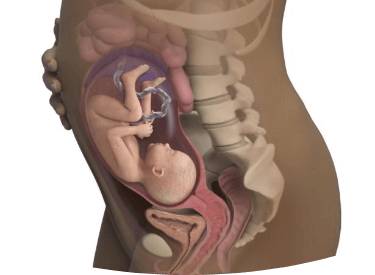
At 28 weeks, your baby should be in the correct position (head down) inside your tummy to prepare for birth. The fundal height of your abdomen, which is the distance from the pubic bone to the top of your uterus, should be about 26 to 30 centimeters. If you are expecting twins, it may not be possible to measure your fundal height.

You should now begin to question whether your baby is moving consistently throughout the day. Check how long it takes your baby to reach ten fetal movements per day. Ideally it should be less than 2 hours.

Weight gain during pregnancy is always a concern, even every week. You may be researching whether I am in the ideal weight range, have I gained too much weight, or have I gained too little weight.

If you started the pregnancy at a normal weight, it is ideal to gain between 11 and 14 kilograms. The 28-week gestational weight is expected to increase by around 500-700 grams. You may have gained between 7.7-10.8 kilos in total so far.

Ultrasound

After 28 weeks of pregnancy, your baby is producing more oil, so its skin becomes smoother. Your baby`s lungs are mature enough to initiate the breathing process.

A 28-week ultrasound may not be necessary unless there are any complications with the pregnancy. You will likely start seeing your doctor once every 2 weeks or twice a month.

What to Eat?

As your baby experiences the fastest growth during this trimester, your 28-week pregnancy food will help support its growth. However, you may not want to eat too much because of the size of your stomach and nausea. Therefore, instead of eating large quantities, opt for quality foods that are rich in essential nutrients. Instead of large portions of meals, opt for six or more mini meals or snacks throughout the day.

As fish provides many benefits to your baby, doctors also recommend eating fish in the third trimester. Avoid fish such as king mackerel and swordfish, as they contain high amounts of mercury.

A little insight into the healthy foods you should consume and their daily portion intake:

  1. Dark green or dark yellow fruits and vegetables (1 serving),
  1. Fruits and vegetables with vitamin C (2 servings),
  1. Other fruits and vegetables (2 servings),
  1. Whole grain breads and breakfast cereals (4 servings),
  1. Milk and dairy products (4 servings),
  1. Protein sources such as red meat, poultry, eggs, fish (2 servings),
  1. Dry beans and peas, seeds and nuts (2 servings).

Tips and Care

Listed below are some points to keep in mind during the third trimester of your pregnancy.

  1. Make sure you plan and go to your 28-week prenatal appointment.
  1. Count fetal beats regularly.
  1. Make sure you get plenty of sleep.
  1. Maintain your daily exercise program.

Don’ts

Listed below are different things you should not do at any point in your pregnancy:

  1. Avoid smoking as it can cause lower baby weight and respiratory problems.
  1. Do not consume alcohol as it can significantly affect your baby`s overall development.
  1. Do not eat raw or undercooked meat or eggs.
  1. Avoid deli meats such as hot dogs and sausages.
  1. Avoid sitting in a sauna or Jacuzzi.

Shopping

The rapid growth of your belly can create a lot of discomfort in the abdominal area, which puts pressure on your spine. If you are experiencing severe pain in the hip and pelvic area, you can purchase a maternity belt. The belly wrap would be an excellent product to relieve the strain on your back.

Long compression stockings can also be a valuable product to provide relief from leg muscle pain and varicose veins.

Now your belly has grown specifically. The image of your growing baby is now much more evident than in the past! But it`s not over, it has 3 more months ahead of it. By taking photos of this growth, which will continue gradually until the end of your pregnancy, you can turn the change into an unforgettable memory. Remember, photos of your belly change will actually be photos of how your baby is growing.

In the third trimester, you may feel a little tired from the difficulties that have been bothering you for a while. The good news is that coming together is just around the corner and soon the struggle of the last few months will be rewarded with the miracle of birth.

28 Weeks Pregnant: Baby Development and Symptoms

You are now entering the third and final trimester of your pregnancy, which will last until week 40, when you are most likely to give birth. Isn`t that a wonderful feeling? The third trimester typically lasts from the 7th to the 9th month of pregnancy, but the labor pains are most likely to start a few weeks before the due date. During this critical trimester, it is recommended to visit your doctor every 2 weeks.

Baby Growth

At 28 weeks, your baby can blink and its eyesight is developing quite a bit. So it can see the faint light entering your womb. Its tiny brain also develops billions of neurons and can perform tasks such as blinking, dreaming, and controlling its body temperature.

The biggest transformation in the third trimester is the development of your baby`s bones from cartilage. Make sure you eat calcium-rich foods, as your baby needs plenty of calcium for bone development.

Your baby will develop all five senses in the third trimester. These are other sensory signals, such as the development of tactile receptors (around 29 or 30 weeks), light perception, tasting what you eat, and listening to sounds. It now sleeps and wakes up regularly. But the sleep pattern is not like a newborn baby. Sleeps for 20-30 minutes each time.

28-week baby movements are felt more when sitting or lying down. After this week, it may be wise to check the fetal movements twice a day, once in the morning and once in the evening.

So, how does a 28-week-old baby stay in the womb? It is very common to ask about the baby`s position during these periods. At 28-week pregnancy, it is impossible to predict the baby`s position by touching the belly. The baby changes position during pregnancy. Its head is more likely to be down in the last trimester, but the doctor will give the most accurate information during the ultrasound.

Baby Size

At 28-week pregnancy, the baby will be the size of a large eggplant and will weigh around 1005 g. The baby is now about 37.6 cm long.

The third trimester is also the fastest growing period for babies. Your baby`s weight will increase with height.

Common Body Changes

Common body changes that occur during this pregnancy can include:

  1. Stretch marks: These are small tear marks that appear on your belly, caused by stretching of the skin in the last stage of your pregnancy. This can also be genetic, so if your mother had stretch marks during her pregnancy, you will likely have stretch marks too.
  1. Insomnia at night: This is especially common in the last trimester and is caused by your baby kicking, an enlarged tummy, frequent urination and some aches.
  1. Swelling of your feet: Also known as edema, this is caused by water retention as well as an increase in weight.
  1. The uterus is about 8 cm above the belly button. Measured from the pubic symphysis, it is approximately 28 cm from the apex of the uterus.

Other common body changes in the last trimester are leaking of the breasts and swelling of the veins in your lower body.

Pregnancy Symptoms

Other than body changes, you may experience a few mild or severe symptoms during the third trimester:

  1. Abdominal pain: As your baby is growing rapidly, you may feel cramps or sharp pains in your lower abdomen.
  1. Fatigue: During the third trimester, your pregnancy demands a lot from your body, which causes fatigue. To avoid extreme fatigue, you need to eat well and get your sleep.
  1. Back pain: The growing abdomen puts too much pressure on your spine, causing back pain. It is very important to keep both feet elevated to reduce pain in your back.
  1. Restless legs syndrome: Some pregnant women may experience a chilling sensation in their lower limbs, which may cause an urge to keep moving your legs even when you are sleeping or resting. Stretching or massaging your legs can help relieve restless legs syndrome, or consult your doctor for iron supplements.
  1. Preeclampsia: This occurs in women with high blood pressure after 20 weeks of pregnancy. Common symptoms of preeclampsia include significant facial swelling or bloating around your eyes, rapid weight gain, persistent headaches, nausea or vomiting. Severe preeclampsia can lead to life-threatening problems; therefore, it is best to consult your doctor if you have any of these symptoms.
  1. Leaky breasts: Your body is currently preparing food for your baby; however, you may have to deal with some milk leaking from your breasts.
  1. Shortness of breath: As your baby continues to grow and your belly expands, it puts tremendous strain on your lungs. This can sometimes cause difficulty in breathing.

Other common symptoms you may experience include dizziness, bloating or gas problems, nasal congestion and bleeding gums.

Abdomen

awsUrlImagetracker/gobek28.jpg

At 28 weeks, your baby should be in the correct position (head down) inside your tummy to prepare for birth. The fundal height of your abdomen, which is the distance from the pubic bone to the top of your uterus, should be about 26 to 30 centimeters. If you are expecting twins, it may not be possible to measure your fundal height.

You should now begin to question whether your baby is moving consistently throughout the day. Check how long it takes your baby to reach ten fetal movements per day. Ideally it should be less than 2 hours.

Weight gain during pregnancy is always a concern, even every week. You may be researching whether I am in the ideal weight range, have I gained too much weight, or have I gained too little weight.

If you started the pregnancy at a normal weight, it is ideal to gain between 11 and 14 kilograms. The 28-week gestational weight is expected to increase by around 500-700 grams. You may have gained between 7.7-10.8 kilos in total so far.

Ultrasound

After 28 weeks of pregnancy, your baby is producing more oil, so its skin becomes smoother. Your baby`s lungs are mature enough to initiate the breathing process.

A 28-week ultrasound may not be necessary unless there are any complications with the pregnancy. You will likely start seeing your doctor once every 2 weeks or twice a month.

What to Eat?

As your baby experiences the fastest growth during this trimester, your 28-week pregnancy food will help support its growth. However, you may not want to eat too much because of the size of your stomach and nausea. Therefore, instead of eating large quantities, opt for quality foods that are rich in essential nutrients. Instead of large portions of meals, opt for six or more mini meals or snacks throughout the day.

As fish provides many benefits to your baby, doctors also recommend eating fish in the third trimester. Avoid fish such as king mackerel and swordfish, as they contain high amounts of mercury.

A little insight into the healthy foods you should consume and their daily portion intake:

  1. Dark green or dark yellow fruits and vegetables (1 serving),
  1. Fruits and vegetables with vitamin C (2 servings),
  1. Other fruits and vegetables (2 servings),
  1. Whole grain breads and breakfast cereals (4 servings),
  1. Milk and dairy products (4 servings),
  1. Protein sources such as red meat, poultry, eggs, fish (2 servings),
  1. Dry beans and peas, seeds and nuts (2 servings).

Tips and Care

Listed below are some points to keep in mind during the third trimester of your pregnancy.

  1. Make sure you plan and go to your 28-week prenatal appointment.
  1. Count fetal beats regularly.
  1. Make sure you get plenty of sleep.
  1. Maintain your daily exercise program.

Don’ts

Listed below are different things you should not do at any point in your pregnancy:

  1. Avoid smoking as it can cause lower baby weight and respiratory problems.
  1. Do not consume alcohol as it can significantly affect your baby`s overall development.
  1. Do not eat raw or undercooked meat or eggs.
  1. Avoid deli meats such as hot dogs and sausages.
  1. Avoid sitting in a sauna or Jacuzzi.

Shopping

The rapid growth of your belly can create a lot of discomfort in the abdominal area, which puts pressure on your spine. If you are experiencing severe pain in the hip and pelvic area, you can purchase a maternity belt. The belly wrap would be an excellent product to relieve the strain on your back.

Long compression stockings can also be a valuable product to provide relief from leg muscle pain and varicose veins.

Now your belly has grown specifically. The image of your growing baby is now much more evident than in the past! But it`s not over, it has 3 more months ahead of it. By taking photos of this growth, which will continue gradually until the end of your pregnancy, you can turn the change into an unforgettable memory. Remember, photos of your belly change will actually be photos of how your baby is growing.

In the third trimester, you may feel a little tired from the difficulties that have been bothering you for a while. The good news is that coming together is just around the corner and soon the struggle of the last few months will be rewarded with the miracle of birth.