


The 35th week of pregnancy is a mixed bag of emotions! Pregnant women tend to be happy that they are almost at the end of their pregnancy. However, there is also the anxiety felt due to the approaching deadline. The main event in this period is that the baby slowly descends into the pelvis as it prepares to be born.
Baby Growth
Now that you are nearing the end of the third trimester, there are some finishing touches your baby is going through, for example:
- Gain weight: Your baby may gain several hundred grams due to the growing fat layer and will continue to do so until birth. Fat helps regulate the baby`s temperature and provide it with energy.
- Soft head: The brain will grow at an extraordinary rate and the soft spots on the baby`s head will accommodate this rapid growth. Additionally, a baby`s soft head allows for an easier delivery as it allows your baby to pass through the birth canal.
- Kidney function: The baby`s kidneys will be fully mature by this time.
- Liver function: The liver can now function as it processes some waste products.
At 35-week pregnancy, baby movements may be felt less because of the crowding in the uterus. This congestion can make it harder for your baby, who is older and stronger, to punch you. But you still feel a lot of stretching, rolling, wiggling.
Baby Size
At 35-week pregnancy, baby size is roughly the size of a melon. It`s about 46.2 cm long! The baby has gained a lot of weight so far and is about 2383 g.
Common Body Changes
Some of the main body changes during pregnancy at week 35 are:
- Weight gain: The rapid increase in weight during these few weeks is the result of acquiring of layers of fat by the baby, which increase the overall weight. The total weight that a mother who has completed 35 weeks of pregnancy should gain until this time should be between 10.8 and 13 kg. In order to gain these kilos from quality calories, you need to pay attention to your diet.
- Improved breathing: Over the past few weeks, you may have had difficulty in breathing as it will prevent the baby`s lungs from fully expanding. However, in preparation for birth, the baby begins to move into the pelvis, reducing some of the lung constriction. You will feel more of that in the coming weeks.
- Heavy breasts: Some mothers experience colostrum secretions during this time, which means the breast becomes heavy.
Pregnancy Symptoms and Risks
- Frequent urination: As pregnancy progresses towards the end of the third trimester, the baby begins to move into the pelvis for vaginal delivery. However, this puts pressure on the bladder and causes the urge to urinate more often.
- Pelvic numbness: Another side effect of the baby`s descent is that it will begin to put pressure on the pelvis. This pressure can be applied to certain nerves around the pelvis, causing numbness in the area.
- Digestive problems: As the baby grows, the space inside the body shrinks and begins to put pressure on some internal organs in the body, such as the stomach. This can cause problems like heartburn and other types of gastronomic discomfort.
- Braxton Hicks contractions: These are uterine contractions that are often confused with labor pain. While some women may not feel them, these `false` contractions can be distinguished from real contractions by their irregularity. During this period, you may experience some contractions or feel nothing. If you`re having cramps and you feel like your uterus is contracted and hardened, you need to pay attention to how frequent and regular the contractions are. You should inform your doctor by noting how many minutes apart the contractions are and how long they last.
- Groin pain: The pain you feel in your groin or vagina may be a sign that your cervix has begun to open. However, this does not mean that the labor pains have begun. Opening can also begin weeks before labor. During this type of opening, you may feel pain and pressure like a knife stabbing in your vagina. For someone who is 35 weeks pregnant, having pain in the vagina is not usually a cause for concern. But still, it might be worth mentioning to your doctor.
- Pressure in the uterus: At this time, you may feel that your baby is descending into the pelvis. This is due to preparation for the birth process. You may have heard of this condition called “lightening,” although it is a misleading term. The upper abdomen relaxes, but instead the pressure on your pelvis, bladder, and hips increases.
- Bleeding: Bleeding in late pregnancy may be a sign of problems with the placenta. The most common of these problems is placenta previa syndrome. Therefore, bleeding at 35 weeks of pregnancy can be a sign of this. The most common symptom is bleeding in the uterus without any pain. Bleeding in placenta previa can begin without warning. In case of any bleeding complaint, it would be best to inform your doctor.
Abdomen
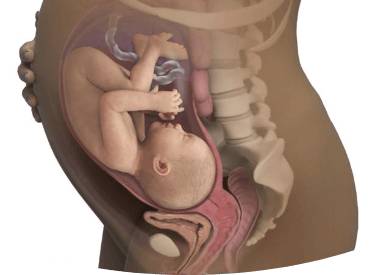
Due to the enormous weight gain during this time, the tummy is large and anyone can tell you`re pregnant as soon as they look at it. By now, the uterus will have enlarged to about a thousand times its original size.
Ultrasound
From this week onwards, time is very important as you will be following fetal development. In the coming weeks, the doctor can tell if the baby has moved into the birth position. If there are any high risk factors, it will be explained to you by the doctor.
What to Eat?
Eat foods high in fiber to aid bowel movements. This prevents problems such as constipation. As a general rule, it is recommended to consume both soluble and insoluble fiber for constipation relief. Some fiber-rich foods include broccoli, pears, black beans, and oatmeal.
Tips and Care
Here are some tips to ensure you receive adequate care this week:
- You might consider hiring a birth coach. Because birth coaches provide physical and emotional support to a woman. Some studies have shown that the need for medication is reduced during pregnancy and childbirth because they can provide a good support structure.
- Talking to people such as friends and family can help overcome stress.
- Since there may be swelling in the leg area, a few pillows or books can be used to elevate the feet and reduce swelling.
- Determine a route to the hospital in case of premature birth.
- Try to do Kegel exercises as they help strengthen the pelvic muscles.
- One of the activities that will make it easier for you to adapt to the changes that occur in your body during pregnancy is breathing exercises. So, what are the benefits of breathing exercises during pregnancy? It reduces complaints about heartburn and constipation. It helps to facilitate digestion. It regulates the blood circulation. It helps to increase the amount of oxygen going to the baby.
Don’ts
- Take care when sneezing or laughing as it may cause involuntary urination. This is due to the pressure exerted on the bladder due to the baby`s descent.
- Avoid foods that trigger heartburn, such as coffee, fatty foods, because the body is vulnerable to digestive issues at this stage of pregnancy.
Shopping
There are a few things you should have when your baby is born.
- Diapers: Be sure to pack them in your hospital bag as they will be what your baby needs most.
- Bottles: You may need them even if you are breastfeeding.
During this time, the support of friends and family is essential. Since the birth can start at any time, it is necessary to pay attention to the signs of birth such as bloody show-break.