

Get our app

Download on the App Store

37 Weeks Pregnant: Baby Development and Symptoms

Now that you are 37 weeks pregnant, your due date is approaching and you can`t wait to hold your baby in your arms. Most of your baby`s organs are mature and your little one can survive in the outside world without any difficulties. But your baby is still developing important skills like swallowing and sucking. Here`s what you can expect at 37 weeks of pregnancy.

Baby Growth

  1. Toenails: By now, your baby`s toenails should have grown long enough to completely cover the tips of its toes. These will continue to grow so you can expect your baby`s nails to grow a little too long when it`s born.
  1. Equipped with antibodies: After birth, the umbilical cord starts pumping the baby`s body with antibodies to help it fight disease and infection. This is supported by breastfeeding when the baby comes out of the womb.
  1. Fully formed lungs: By this time, the baby is ready for birth as the lungs have become fully functional. They will support the baby`s breathing of outside air by producing a lipoprotein called surfactant.

Baby Size

At 37-week pregnancy, your baby will be the size of a Roman Lettuce. It will be about 48.6 cm long and could possibly have reached 2859 g in weight. This is about the same weight as a baby kangaroo.

Common Body Changes

  1. Braxton Hicks contractions: You may feel the muscles in the uterus tightening and you may feel it frequently every 10-20 minutes.
  1. Changes in amniotic fluid: There will be a decrease in amniotic fluid as the baby`s increasing size will displace most of the fluid.

Pregnancy Symptoms

  1. Heartburn: As the uterus expands to accommodate the baby, it puts pressure on many internal organs in the body, such as the stomach. This can cause stress on the digestive system, causing problems such as heartburn.
  1. Spotting/Bleeding: Light bleeding in someone who has completed the 37th week of pregnancy does not indicate that the birth has started. Pinkish or brown, streaked red mucus discharge soon after sexual intercourse or a vaginal examination is a normal occurrence, often caused by crushing or touching the sensitive cervix. But if you have cramps or other signs of labor, call your doctor if you have pinkish or brown mucus after sexual intercourse or any other time.
  1. Insomnia: Insomnia is a condition that inevitably affects all pregnant women at some point in their pregnancy. Reasons for this include the frequent urge to urinate, uncomfortable sleeping position, and anxiety.

What are the Signs of Birth?

You may wonder if there is a birth at 37-week pregnancy. Yes, the 37th week of pregnancy is not a suitable time for delivery and is not considered early. In a normal pregnancy, delivery can occur any day between 37 and 42 weeks. For this reason, especially expectant mothers who are pregnant for the first time are afraid of not being able to understand that the birth has started.

In fact, the most feared thing is the possibility of giving birth at home or on the road if it is late to go to the hospital. In this case, 37 weeks of pregnancy pains will give you the best guidance. By following the pattern and severity of your contractions, you can tell when labor is approaching.

Delivery occurs only when the cervix is 10 cm dilated. In the first pregnancy, the cervix opens only 1 cm in 1-1.5 hours. In other words, after the real uterine contractions start in the first pregnancy, the birth takes about 10 hours. Therefore, there is no need to worry about giving birth at home or on the road.

Here are some signs that can help you tell when it`s time:

  1. Regular contractions: Regular contractions begin before birth but can often be confused with false contractions known as Braxton Hicks contractions. While these are similar in intensity, the best indicator for labor contractions is consistent contractions over time. If they`re irregular or disappear when you rest, they`re likely Braxton Hicks contractions.
  1. Break: This is the rupture of the protective amniotic sac that has been holding your baby all this time. Every woman has a different experience when her water comes, as it depends on the size and area of the pouch. Accordingly, the amount of amniotic fluid from the cervix and vagina can be a trickle or gush.
  1. Losing the mucus plug: This is what is known as bloody show, a type of cervical mucus loaded with antimicrobial properties to protect the baby from infection by bacteria. When this occurs, most women go into labor within the next 12 hours.

How the Birth Process Proceed?

The birth process is defined as the dilation (stretching and contraction) of the cervix. This happens because a muscle, the uterus, contracts and relaxes to expel the baby. The cervix stretches as the baby is pushed out. You may feel constriction, shrinkage, and cramps at various times. But until there is a change in the cervix, this is not the actual birth process. There are many aspects for the birth process. You will go through these stages while giving birth to your baby.

  1. Stage 1: The first stage of the birth process begins when intrauterine contractions occur with sufficient intensity, duration and frequency, causing the cervix to shrink and open. This first stage ends when the cervix is fully dilated and opened wide enough for the baby`s head to pass through.
  1. Stage 2: It begins when the cervix is fully opened by 10 cm. This stage ends with the birth of the baby.
  1. Stage 3: It starts after the birth of the baby. It ends with the expulsion of the placenta and membranes surrounding the fetus.

What Encourages Birth?

The following two methods encourage childbirth, do not try these methods unless your doctor recommends them, they may not be safe for you!

  1. Nipple stimulation: Stimulating the nipples is a time-tested way to induce labor as it releases oxytocin which helps induce labor. It is a powerful method to produce contractions.
  1. Sexual intercourse: Sexual intimacy can induce labor as male ejaculation contains prostaglandins that help induce labor.

Abdomen
awsUrlImagetracker/gobek37.jpg

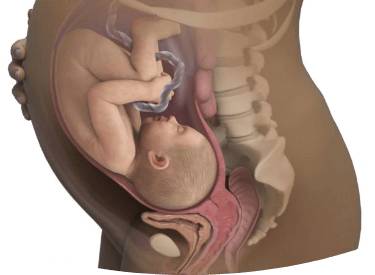
By this time, you experience something called falling. This is when the baby descends into the pelvic area to prepare for birth. However, this `drop` is often not visually noticeable.

The baby`s head is usually down in the pelvis during this period. Your uterus may be the same as it was 1-2 weeks ago. The size from the pubic symphysis to the apex of the uterus is 37 cm, and 16-17 cm from the navel. The 37-week gestational weight should be between 11.3 and 15.9 kg in total. This is of course an average amount. The situation may be different for each woman.

Ultrasound and Doctor Control

This week`s ultrasound is mainly done to see if the baby is in a head-down position. Other developments such as heart rate and the condition of the uterus can also be monitored during this time.

If you are 37 weeks pregnant, your doctor may perform a vaginal examination or, in medical terms, a pelvic examination. Thus, the course of the pregnancy is evaluated. One of the first things your doctor will notice is if there is any leakage of amniotic fluid. During this examination, the cervix is checked. During labor, the cervix usually becomes softer and thinner. The softness, hardness and thinning of the cervix are evaluated. Before the birth process begins, the cervix is thick. It gets thinner during active labor. Check to see if the baby`s head, hips or legs come first. The shape of the pelvic bone is also evaluated. Most women consider having a normal, vaginal delivery, but a cesarean delivery is always possible. In cesarean delivery, the baby is born with a cleft in the mother`s abdominal wall and uterus. The advantages of vaginal delivery also include reducing problems related to surgery such as cesarean delivery. It takes less time to heal after a vaginal delivery. If your cervix is not very small, your baby is not very large and there is no problem in its position, it may be okay to have a vaginal delivery.

What to Eat?

As you enter the 37th week of pregnancy, food should be classified according to three factors. First, since pregnancy is considered full term, she may begin to eat small amounts of spicy food, labor-inducing foods that include raspberry leaves, palm and evening primrose oil. Secondly, trigger foods such as fatty foods should be avoided as the body still experiences heartburn. Finally, the baby`s brain is making rapid strides in development. For this, protein-rich foods such as fish, eggs and milk should be eaten.

Tips and Care

Determine a route with the least traffic, where you can get to the hospital.

Don’ts

  1. The approaching birth phase is a period when pregnant women go through a cleaning and organization frenzy. Although it is not necessary to suppress this urge, moving can be difficult, so rest is necessary. Alternatively, you can have someone else do the work for you.
  1. Limit your caffeine intake as it will only exacerbate your insomnia.

Shopping

  1. For your baby: Shopping for baby is fun, right? As your baby will be here soon, be sure to buy the following in advance: diapers, changing mat, a blanket, baby clothes...
  1. For you: The delivery process can take some time and be uncomfortable, so you can arm yourself with books, a comfy pillow and your own toiletries.

By this time, you are almost near the end of your pregnancy. The most important thing to do at this point is to pay attention to the signs of labor. So pay attention to these signs and we wish you a healthy and easy birth!

37 Weeks Pregnant: Baby Development and Symptoms

Now that you are 37 weeks pregnant, your due date is approaching and you can`t wait to hold your baby in your arms. Most of your baby`s organs are mature and your little one can survive in the outside world without any difficulties. But your baby is still developing important skills like swallowing and sucking. Here`s what you can expect at 37 weeks of pregnancy.

Baby Growth

  1. Toenails: By now, your baby`s toenails should have grown long enough to completely cover the tips of its toes. These will continue to grow so you can expect your baby`s nails to grow a little too long when it`s born.
  1. Equipped with antibodies: After birth, the umbilical cord starts pumping the baby`s body with antibodies to help it fight disease and infection. This is supported by breastfeeding when the baby comes out of the womb.
  1. Fully formed lungs: By this time, the baby is ready for birth as the lungs have become fully functional. They will support the baby`s breathing of outside air by producing a lipoprotein called surfactant.

Baby Size

At 37-week pregnancy, your baby will be the size of a Roman Lettuce. It will be about 48.6 cm long and could possibly have reached 2859 g in weight. This is about the same weight as a baby kangaroo.

Common Body Changes

  1. Braxton Hicks contractions: You may feel the muscles in the uterus tightening and you may feel it frequently every 10-20 minutes.
  1. Changes in amniotic fluid: There will be a decrease in amniotic fluid as the baby`s increasing size will displace most of the fluid.

Pregnancy Symptoms

  1. Heartburn: As the uterus expands to accommodate the baby, it puts pressure on many internal organs in the body, such as the stomach. This can cause stress on the digestive system, causing problems such as heartburn.
  1. Spotting/Bleeding: Light bleeding in someone who has completed the 37th week of pregnancy does not indicate that the birth has started. Pinkish or brown, streaked red mucus discharge soon after sexual intercourse or a vaginal examination is a normal occurrence, often caused by crushing or touching the sensitive cervix. But if you have cramps or other signs of labor, call your doctor if you have pinkish or brown mucus after sexual intercourse or any other time.
  1. Insomnia: Insomnia is a condition that inevitably affects all pregnant women at some point in their pregnancy. Reasons for this include the frequent urge to urinate, uncomfortable sleeping position, and anxiety.

What are the Signs of Birth?

You may wonder if there is a birth at 37-week pregnancy. Yes, the 37th week of pregnancy is not a suitable time for delivery and is not considered early. In a normal pregnancy, delivery can occur any day between 37 and 42 weeks. For this reason, especially expectant mothers who are pregnant for the first time are afraid of not being able to understand that the birth has started.

In fact, the most feared thing is the possibility of giving birth at home or on the road if it is late to go to the hospital. In this case, 37 weeks of pregnancy pains will give you the best guidance. By following the pattern and severity of your contractions, you can tell when labor is approaching.

Delivery occurs only when the cervix is 10 cm dilated. In the first pregnancy, the cervix opens only 1 cm in 1-1.5 hours. In other words, after the real uterine contractions start in the first pregnancy, the birth takes about 10 hours. Therefore, there is no need to worry about giving birth at home or on the road.

Here are some signs that can help you tell when it`s time:

  1. Regular contractions: Regular contractions begin before birth but can often be confused with false contractions known as Braxton Hicks contractions. While these are similar in intensity, the best indicator for labor contractions is consistent contractions over time. If they`re irregular or disappear when you rest, they`re likely Braxton Hicks contractions.
  1. Break: This is the rupture of the protective amniotic sac that has been holding your baby all this time. Every woman has a different experience when her water comes, as it depends on the size and area of the pouch. Accordingly, the amount of amniotic fluid from the cervix and vagina can be a trickle or gush.
  1. Losing the mucus plug: This is what is known as bloody show, a type of cervical mucus loaded with antimicrobial properties to protect the baby from infection by bacteria. When this occurs, most women go into labor within the next 12 hours.

How the Birth Process Proceed?

The birth process is defined as the dilation (stretching and contraction) of the cervix. This happens because a muscle, the uterus, contracts and relaxes to expel the baby. The cervix stretches as the baby is pushed out. You may feel constriction, shrinkage, and cramps at various times. But until there is a change in the cervix, this is not the actual birth process. There are many aspects for the birth process. You will go through these stages while giving birth to your baby.

  1. Stage 1: The first stage of the birth process begins when intrauterine contractions occur with sufficient intensity, duration and frequency, causing the cervix to shrink and open. This first stage ends when the cervix is fully dilated and opened wide enough for the baby`s head to pass through.
  1. Stage 2: It begins when the cervix is fully opened by 10 cm. This stage ends with the birth of the baby.
  1. Stage 3: It starts after the birth of the baby. It ends with the expulsion of the placenta and membranes surrounding the fetus.

What Encourages Birth?

The following two methods encourage childbirth, do not try these methods unless your doctor recommends them, they may not be safe for you!

  1. Nipple stimulation: Stimulating the nipples is a time-tested way to induce labor as it releases oxytocin which helps induce labor. It is a powerful method to produce contractions.
  1. Sexual intercourse: Sexual intimacy can induce labor as male ejaculation contains prostaglandins that help induce labor.

Abdomen

awsUrlImagetracker/gobek37.jpg

By this time, you experience something called falling. This is when the baby descends into the pelvic area to prepare for birth. However, this `drop` is often not visually noticeable.

The baby`s head is usually down in the pelvis during this period. Your uterus may be the same as it was 1-2 weeks ago. The size from the pubic symphysis to the apex of the uterus is 37 cm, and 16-17 cm from the navel. The 37-week gestational weight should be between 11.3 and 15.9 kg in total. This is of course an average amount. The situation may be different for each woman.

Ultrasound and Doctor Control

This week`s ultrasound is mainly done to see if the baby is in a head-down position. Other developments such as heart rate and the condition of the uterus can also be monitored during this time.

If you are 37 weeks pregnant, your doctor may perform a vaginal examination or, in medical terms, a pelvic examination. Thus, the course of the pregnancy is evaluated. One of the first things your doctor will notice is if there is any leakage of amniotic fluid. During this examination, the cervix is checked. During labor, the cervix usually becomes softer and thinner. The softness, hardness and thinning of the cervix are evaluated. Before the birth process begins, the cervix is thick. It gets thinner during active labor. Check to see if the baby`s head, hips or legs come first. The shape of the pelvic bone is also evaluated. Most women consider having a normal, vaginal delivery, but a cesarean delivery is always possible. In cesarean delivery, the baby is born with a cleft in the mother`s abdominal wall and uterus. The advantages of vaginal delivery also include reducing problems related to surgery such as cesarean delivery. It takes less time to heal after a vaginal delivery. If your cervix is not very small, your baby is not very large and there is no problem in its position, it may be okay to have a vaginal delivery.

What to Eat?

As you enter the 37th week of pregnancy, food should be classified according to three factors. First, since pregnancy is considered full term, she may begin to eat small amounts of spicy food, labor-inducing foods that include raspberry leaves, palm and evening primrose oil. Secondly, trigger foods such as fatty foods should be avoided as the body still experiences heartburn. Finally, the baby`s brain is making rapid strides in development. For this, protein-rich foods such as fish, eggs and milk should be eaten.

Tips and Care

Determine a route with the least traffic, where you can get to the hospital.

Don’ts

  1. The approaching birth phase is a period when pregnant women go through a cleaning and organization frenzy. Although it is not necessary to suppress this urge, moving can be difficult, so rest is necessary. Alternatively, you can have someone else do the work for you.
  1. Limit your caffeine intake as it will only exacerbate your insomnia.

Shopping

  1. For your baby: Shopping for baby is fun, right? As your baby will be here soon, be sure to buy the following in advance: diapers, changing mat, a blanket, baby clothes...
  1. For you: The delivery process can take some time and be uncomfortable, so you can arm yourself with books, a comfy pillow and your own toiletries.

By this time, you are almost near the end of your pregnancy. The most important thing to do at this point is to pay attention to the signs of labor. So pay attention to these signs and we wish you a healthy and easy birth!