


You are eight weeks pregnant. Congratulations! You must be really looking forward to experiencing and showing your baby being evident from your tummy, but there`s some time left for that! You may still not be able to show your baby`s presence at this point, but rest assured it will be soon because your baby is growing. Your baby`s arms and legs should grow and facial features will begin to form. Yes, things are accelerating now. During the ultrasound scan, you will be able to hear your baby`s heartbeat for the first time. There is so much going to happen to you and your baby this week. Read on to learn about pregnancy at week 8.
Baby Growth
Your baby has made significant progress since week 7. The baby is growing almost 1 mm per day. The formation of bones, spinal cord and intestines will also have begun. During this time, the retinal pigment begins to develop. The embryo looks more prominent and you can see where your baby`s limbs will be. Your baby`s nose, lips, and eyelids will begin to develop. The small protrusion on the spine almost disappears by the 8th week. Your baby`s heart rate will be 150 to 170 times per minute.
Baby Size
At 8 weeks, the baby is still small, but there will be rapid growth and development with each passing day. At 8 weeks of pregnancy, your baby will be 1.6 cm long. The skin at this stage is still very transparent. Various internal and external organs will also begin to form.
Common Body Changes
Your body changes during pregnancy and by this time, you may notice the following changes in your body:
- Your breasts will enlarge and prepare for breastfeeding.
- Your uterus is enlarging and putting pressure on your bladder, causing you to urinate frequently.
- The growing uterus can also cause cramps in the abdomen.
- Increased blood flow to your chest can increase your breast size. Your areola may become darker than normal because the hormones estrogen and progesterone cause increased pigmentation.
- Nipples become prominent and may secrete high-octane milk, also called colostrum.
Pregnancy Symptoms
You may experience the following symptoms at week 8 of pregnancy:
- An increased sense of smell: You may experience an increased sense of smell as more blood flows to your brain, which makes your reactions more acute. However, smells you never cared for can now bother you and trigger nausea as well.
- Nausea and morning sickness: You may still feel nauseous at these times due to various factors such as stress, estrogen or a sensitive stomach.
- Breast pain: You may feel pain and tenderness as your breasts grow and prepare for breastfeeding.
- Constipation: Constipation is very common during this period of pregnancy, as progesterone slows down the digestive process, making bowel movement more difficult. Drink plenty of fluids to keep constipation at bay.
- Feeling of tiredness: You may feel tired and sluggish due to fluctuating hormones during pregnancy. Adequate rest is very important for expectant mothers.
- Cramps: You may experience cramps around 8 weeks of pregnancy. It is very common as your abdominal muscles and uterus enlarge.
Abdomen
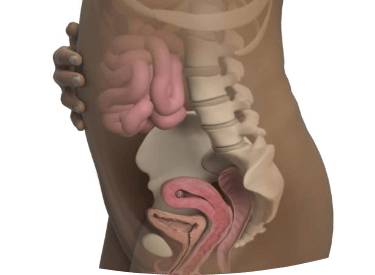
Your tummy may be slightly visible or not visible at all; This depends on many factors. If you are carrying twins or more, your tummy may appear within 8 weeks. However, in a single pregnancy, you may have a belly lump that is never seen even after 16 weeks. The uterus and abdominal muscles are expanding, so this time the expectant mother is expected to gain about 0.2 kg per week. This means that by the end of the eighth week you could have gained 1.8 - 2.7 kg. But if you are experiencing nausea and morning sickness, then you may not have gained that much weight. If you are concerned about your weight gain or belly size, it is recommended that you talk to your doctor.
Most experts recommend taking 300 grams per week until the 20th week, and 450 grams between the 20th and 40th weeks. You can calculate your weight during pregnancy according to this ratio.
Others agree that the amount of weight gain should vary for underweight, normal, and overweight women. Accordingly, before pregnancy:
- Underweight people 14-20,
- Normal weights 12-17,
- Overweight people can change in the range of 7-12 kilos.
Ultrasound and Tests
You will see your baby for the first time during the scan. At this point, it will be a little difficult for you to understand your baby as it is very small. But you can listen to your baby`s heartbeat. Your baby is moving in your tummy; Small hands and toes are also formed.
Routine laboratory tests are performed at the first or second visit to the doctor. A pelvic exam is performed, including a Pap Smear. Other tests:
- Complete blood count,
- Urine analysis,
- Urine culture,
- Syphilis test,
- Cervical culture.
Many doctors also do blood sugar testing to research diabetes. They may also do tests to look for immunity to rubella. Hepatitis tests are also now standard. Other tests may be requested if needed. But not every examination is tested, it is done if necessary at the beginning of pregnancy.
What to Eat?
If you are struggling with morning sickness, then you may develop an aversion to food. However, it is very important to pay attention to your diet during pregnancy. Instead of filling your stomach in a single meal, you should prefer small, frequent meals. It is also recommended to include plenty of fluids in your diet to protect yourself from dehydration. Your 8th week pregnancy meal should include:
- Your diet should include 3-4 servings of fresh fruits and vegetables, as they are high in fiber and can prevent constipation. Do not eat canned or packaged fruits and vegetables as they are high in sugar and salt.
- Grains should be added to your diet. It is recommended to choose whole grains instead of refined grains. Include starchy foods like rice in your diet as they will provide the energy needed to boost your baby`s growth.
- You should also include protein-rich foods, as they are the building blocks needed to raise the baby. These foods include chicken, lean meat, fish, and eggs. Vegetarian mothers may prefer legumes to compensate for their daily protein intake.
- It is important to add dairy products to meet the increased calcium demand during pregnancy. Milk, curd, cheese etc. It should also be included in your diet.
- You should also take any vitamin supplement that may be recommended by your doctor. Calcium and folic acid supplements are often recommended.
Care Tips
It is important for the expectant mother to always be careful about her health. Below are some recommended do’s and don`ts during the 8th week of pregnancy:
- Eat light and frequent meals to prevent nausea.
- Keep yourself hydrated by drinking plenty of fluids.
Don’ts
- Do not eat spicy foods as they can cause heartburn.
- Do not take medication without the knowledge of your doctor, as there may be a negative reaction in your body.
Shopping
There may be a few things you need to shop during this time, for example:
- Pregnancy books: To keep yourself updated at every stage of pregnancy
- Comfortable bras: For breast tenderness and increased breast size
- Good moisturizers: To alleviate increased dryness
- Casual pants: For increased belly size. You can choose loose, flexible tights and trousers to adapt to the ever-changing size of your stomach.
You will experience new feelings and emotions every day. You will experience new pregnancy criteria each week. Your baby is growing up and having important developmental changes. So enjoy every moment, every little change and have a healthy and safe pregnancy!